
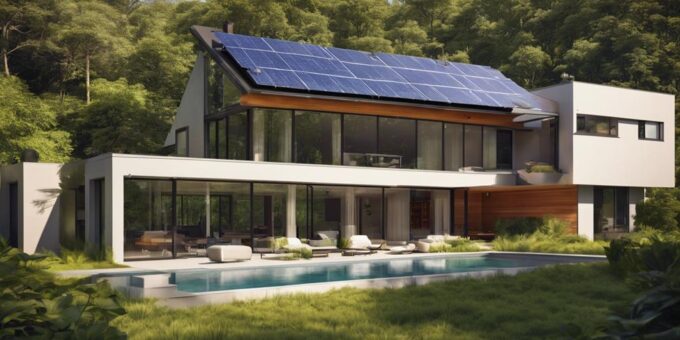
We can make our homes more energy-efficient and eco-friendly through several home improvements. Upgrading insulation, installing energy-efficient windows, and harnessing solar power can greatly reduce our energy use and carbon footprint. Optimizing heating, cooling, and appliances with high-efficiency models and smart technology also boosts efficiency. Sustainable landscaping practices and strategic natural lighting design further enhance our homes' environmental impact. By implementing these improvements, we can create more comfortable, cost-effective, and sustainable living spaces. To learn more about each of these strategies, let's dive deeper into the details.
Upgrading Insulation for Energy Savings

Improving our home's insulation can greatly reduce energy consumption and cut utility bills. We don't have to settle for drafty rooms or high heating and cooling costs. By upgrading to high-performance insulation, we'll seal air leaks and maintain a comfortable indoor temperature year-round. This investment pays off quickly through lower monthly bills.
When choosing insulation, we'll look for materials with high R-values, which measure resistance to heat flow. Cellulose, spray foam, and rigid foam boards are all excellent options that outperform traditional fiberglass. These modern insulation types create an airtight barrier, preventing precious heated or cooled air from escaping. With proper installation, we can maximize energy efficiency and start saving immediately.
The process is straightforward – we'll assess our home's insulation needs, select the right products, and work with skilled contractors to get the job done right. Upgrading our insulation is one of the smartest ways to make our home more eco-friendly and reduce our environmental impact. Let's get started!
Investing in Energy-Efficient Windows
When it comes to investing in energy-efficient windows, we should examine key characteristics like multiple panes, gas fills, and low-e coatings. We'll also need to take into account factors like window size, frame material, and installation to maximize their efficiency. Upgrading to energy-efficient windows can greatly enhance our home's insulation and lower our energy bills, so it's an investment worth making.
Energy-Efficient Window Characteristics
For energy-efficient windows, we'll want to look for characteristics that maximize insulation and minimize air leakage, as these features can greatly impact a home's heating and cooling costs. The most important thing is the window's U-factor, which measures how well it insulates. We'll aim for a low U-factor, ideally 0.30 or less, to keep heat from escaping in the winter and entering in the summer. We'll also check the solar heat gain coefficient (SHGC), which indicates how much solar radiation the window lets in. In hot climates, we'll choose windows with a low SHGC to reduce cooling needs. Finally, we'll make sure the windows are properly sealed to prevent drafts. High-quality weatherstripping and caulking are a must. By selecting windows with these energy-efficient characteristics, we can slash our utility bills and reduce our carbon footprint. It's a smart investment that pays dividends for years to come.
Window Replacement Considerations
Replacing our windows is a worthwhile investment that can greatly enhance our home's energy efficiency and curb appeal. By carefully selecting high-performing, energy-efficient windows, we can enjoy long-term savings on utility bills while improving the overall comfort and value of our living space.
When considering window replacement, we should evaluate key factors such as:
- U-factor: This measures how well a window insulates, with lower values indicating better thermal performance.
- Solar Heat Gain Coefficient (SHGC): This determines how much solar radiation a window allows, impacting cooling costs.
- Visible Transmittance (VT): This indicates how much visible light a window lets in, affecting our home's natural lighting.
- Window Frame Material: Options like vinyl, wood, or fiberglass each offer unique benefits regarding durability, insulation, and maintenance.
Maximizing Window Efficiency
Investing in energy-efficient windows is a smart way to maximize our home's window efficiency. By carefully selecting models with excellent performance ratings, we can capitalize on long-term energy savings and enhance the overall comfort of our living space.
When it comes to window efficiency, there are a few key factors to take into account. As shown in the table below, we should prioritize windows with high R-values, low U-factors, and superior air infiltration ratings. This will guarantee our home stays cozy in the winter and cool in the summer, all while reducing our carbon footprint and monthly utility bills.
| Metric | Description | Ideal Range |
|---|---|---|
| R-Value | Measures a window's resistance to heat flow | R-3 to R-8 |
| U-Factor | Measures the rate of heat transfer | 0.20 to 1.20 |
| Air Infiltration | Measures how much air seeps through the window | Less than 0.30 CFM/sq ft |
Harnessing Solar Power for Homes
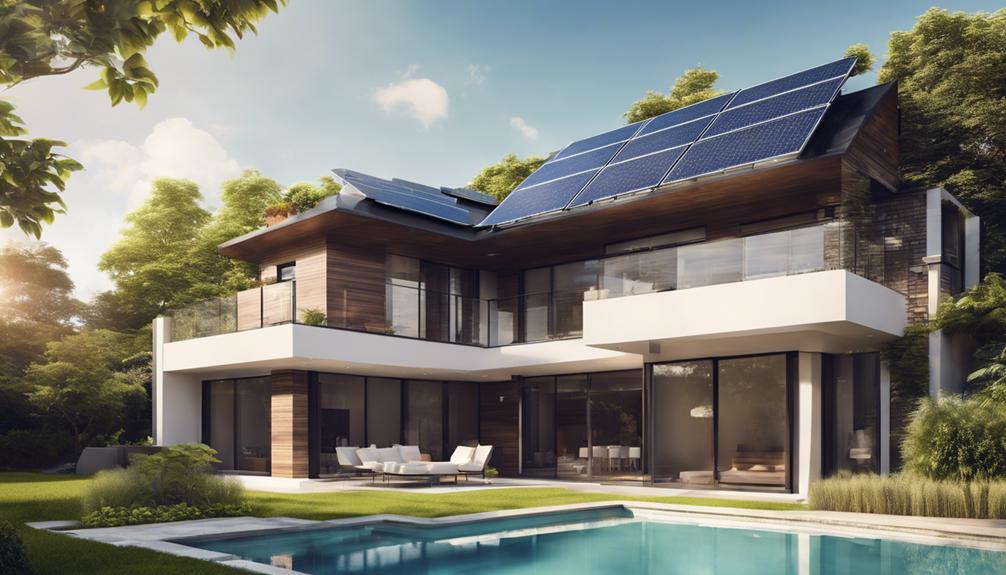
Harnessing the power of the sun is a game-changer for eco-conscious homeowners. We'll explore the benefits of solar panel installation and how to maximize its potential. Plus, we'll uncover the solar incentives that can make this investment more accessible.
Solar Panel Installation
We can harness the power of the sun by installing solar panels on our homes, a renewable energy source that reduces our carbon footprint and lowers utility bills over time. The process of solar panel installation is straightforward and can be tailored to our individual needs. Here's what you should consider:
- Evaluate your home's sun exposure and roof orientation to maximize solar panel efficiency.
- Research reputable solar installation companies and compare their services, warranties, and financing options.
- Confirm the tax credits, rebates, and other incentives available in your area to offset the initial investment.
- Prepare your home's electrical system and make sure it can handle the additional load from the solar panels.
Maximizing Solar Potential
Maximizing solar potential demands careful consideration of our home's unique characteristics, guaranteeing the system's peak performance and cost-effectiveness. We'll explore several strategies to harness the sun's energy efficiently, tailored to our specific needs and location.
First, we'll assess the orientation and angle of our roof, optimizing the solar panels' positioning for maximum sun exposure throughout the day. By analyzing shading patterns and seasonal sun paths, we can strategically place the panels to capture the most sunlight, boosting our system's energy output.
Next, we'll investigate the latest advancements in solar technology, evaluating options like high-efficiency panels, microinverters, and battery storage solutions. These innovations can significantly enhance our system's overall performance, allowing us to maximize the return on our investment.
Furthermore, we'll leverage energy-efficient home upgrades, such as improved insulation and energy-saving appliances, to reduce our overall energy consumption. This synergistic approach ensures we're getting the most out of our solar system while minimizing our environmental impact.
Solar Incentives Explained
To further bolster our shift to renewable energy, a variety of solar incentives are available that can greatly offset the upfront costs of installing a solar system in our homes. These incentives come in many forms, making it easier than ever to harness the power of the sun.
Let's take a look at 4 key solar incentives:
- Federal Tax Credits: We can claim a tax credit worth 26% of the total system cost on our federal income taxes.
- State Rebates: Many states offer generous rebates to help cover the initial investment in a residential solar system.
- Net Metering: By generating our own solar power, we can actually earn credits on our utility bills for the excess energy we send back to the grid.
- Solar Renewable Energy Certificates (SRECs): In some areas, we can sell the environmental attributes of our solar production, providing an additional income stream.
With these incentives, going solar has never been more accessible or affordable. Let's embrace the freedom of clean, renewable energy!
Optimizing Heating and Cooling Systems
Upgrading a home's heating and cooling systems can greatly reduce its environmental impact and utility costs. We've found that optimizing these systems is one of the most impactful eco-friendly home improvements. By swapping out old, inefficient HVAC equipment for high-efficiency models, you'll slash your energy use and carbon footprint. Smart thermostats allow you to precisely control temperatures, so you're not wasting energy heating or cooling unoccupied rooms. Proper insulation and air sealing further maximize the system's efficiency, keeping your home comfortable with minimal energy input.
The initial costs of these upgrades may seem challenging, but the long-term savings on utility bills make them a wise investment. Many locales also offer rebates and tax credits to offset the initial expense. Once installed, you'll enjoy greater indoor comfort and freedom from utility bill anxiety – not to mention the peace of mind that comes with shrinking your environmental impact. It's a win-win for your wallet and the planet.
Incorporating Energy-Efficient Appliances
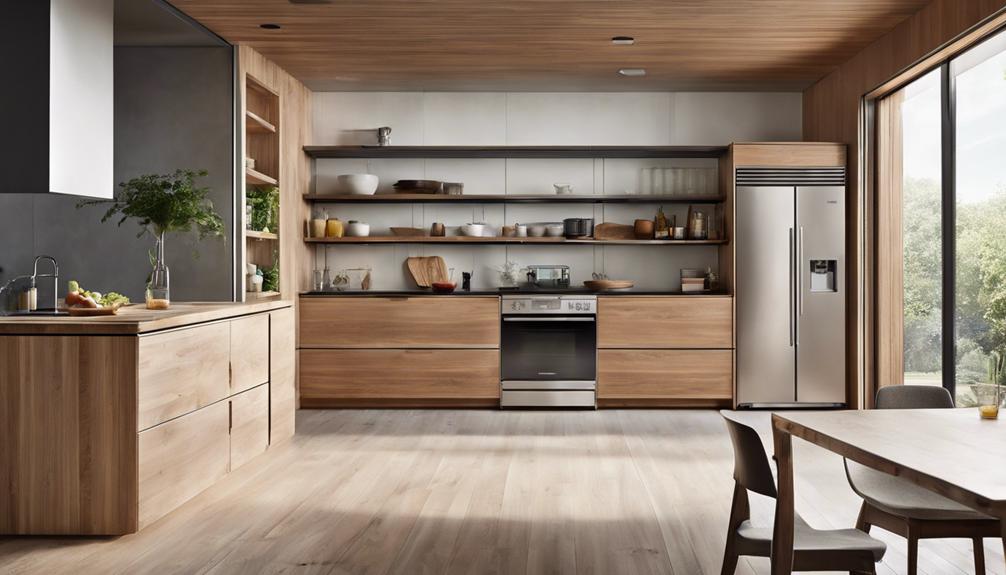
Alongside optimizing heating and cooling, incorporating energy-efficient appliances is another key way to reduce a home's environmental footprint and lower utility bills. We'll show you how to start saving money and the planet with four simple steps.
- Replace old, inefficient appliances with Energy Star certified models. These use up to 50% less energy and water, greatly cutting your carbon emissions and costs.
- Invest in smart home technology like programmable thermostats and app-controlled lighting. They make it a breeze to monitor and adjust energy usage around your schedule.
- Prioritize LED light bulbs throughout the house. They use 75% less energy and last 25 times longer than traditional bulbs.
- Unplug unused electronics and appliances. The 'vampire power' they drain when idle can add hundreds to your annual energy bill.
Embracing Sustainable Landscaping Practices
In addition to energy-efficient home improvements, we can also embrace sustainable landscaping practices to further reduce our environmental impact and create a more eco-friendly outdoor space. We can start by incorporating native plants that are adapted to the local climate and require less water and maintenance. This not only reduces our water usage but also supports the local ecosystem and wildlife. Additionally, we can utilize organic mulch and compost to enrich the soil, eliminating the need for chemical fertilizers. Whenever possible, we'll prioritize manual lawn care tools over gas-powered equipment to minimize emissions and noise pollution. By strategically placing shade trees and incorporating water-efficient irrigation systems, we can further enhance the sustainability of our landscape. Embracing these sustainable practices allows us to enjoy a beautiful, low-maintenance outdoor oasis while doing our part to protect the planet.
Increasing Natural Lighting Through Design
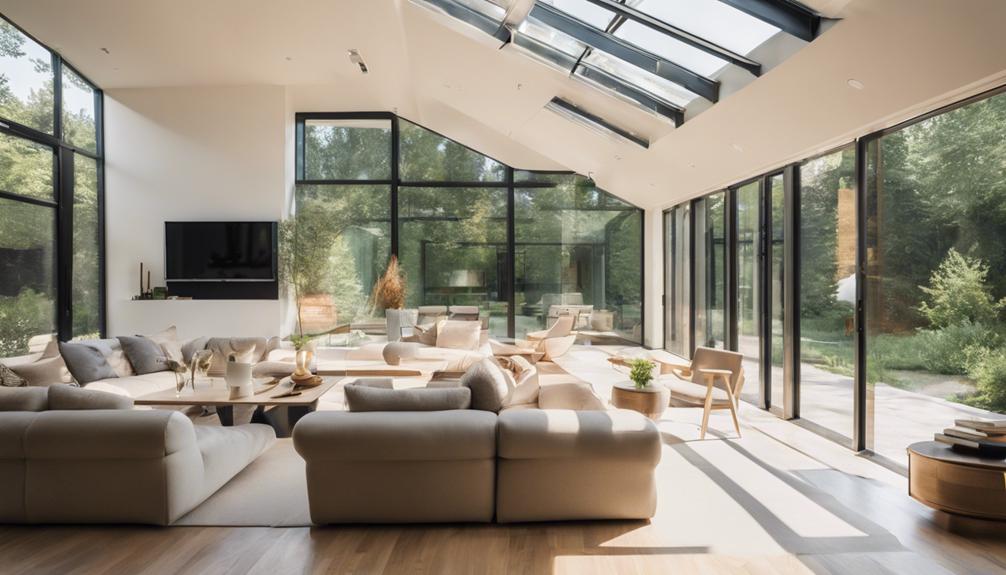
Thoughtful home design can maximize the infusion of natural light, reducing our reliance on energy-intensive artificial lighting and enhancing the ambiance of our living spaces. By strategically placing windows, installing skylights, and incorporating reflective surfaces, we can harness the power of the sun and create a brighter, more inviting atmosphere.
Here are four key ways we can increase natural lighting through design:
- Optimize window placement: Situate windows to capture the most sunlight throughout the day, orienting them to take advantage of the sun's path.
- Incorporate skylights: The addition of well-placed skylights can dramatically increase the natural illumination in our homes, especially in areas lacking direct window access.
- Utilize reflective surfaces: Light-colored walls, floors, and furniture can help bounce natural light around the room, amplifying its brightness.
- Embrace open floor plans: Removing barriers and creating a more open layout allows natural light to flow freely throughout the space.
Frequently Asked Questions
What Are the Long-Term Maintenance Requirements for Eco-Friendly Home Improvements?
We appreciate the desire for freedom when it comes to maintaining our homes. Long-term maintenance for eco-friendly improvements can require a bit more effort, but it's worth it in the long run. Regularly inspecting and servicing things like solar panels, energy-efficient appliances, and insulation will be necessary. By staying on top of it, we'll enjoy lower utility bills and a smaller carbon footprint. It's a win-win that'll keep our homes running smoothly for years to come.
How Can I Finance Eco-Friendly Home Upgrades on a Tight Budget?
We're drowning in options to finance eco-friendly home upgrades even on a tight budget! We can take advantage of government incentives, seek out local utility rebates, or explore zero-interest loans. Plus, we can look into community solar projects that lower our energy bills. With a little creativity, we'll be living in an eco-friendly oasis in no time, all while saving a bundle.
Are There Any Government Incentives or Rebates for Eco-Friendly Home Improvements?
There are several government incentives and rebates available to help us finance eco-friendly home upgrades. We can take advantage of tax credits, rebates, and even low-interest loans to make our homes more energy-efficient. These programs can notably offset the upfront costs, making it easier for us to embrace sustainable living without breaking the bank. By exploring these options, we can achieve our goals while staying within our tight budgets.
How Can I Ensure a Seamless Integration of Eco-Friendly Features Into My Existing Home?
When we renovated our 1950s home, we aimed to guarantee that the eco-friendly features blended seamlessly. First, we insulated the attic and replaced drafty windows – simple changes that made a big impact. Then, we installed solar panels on the roof, which not only reduced our energy bills but also gave us a sense of independence. By taking a thoughtful, step-by-step approach, we created a comfortable, sustainable space that aligns with our values.
What Are the Potential Resale Value Benefits of Eco-Friendly Home Improvements?
We’ve found that eco-friendly home improvements can greatly enhance a property’s resale value. Buyers today are increasingly looking for homes with sustainable features that’ll save them money on utilities and reduce their carbon footprint. By investing in upgrades like solar panels, energy-efficient appliances, and smart home technology, we’re not only helping the planet but also positioning our homes to sell faster and for a higher price down the line. Additionally, incorporating DIY home improvement projects like installing low-flow faucets or adding better insulation can further boost a home’s energy efficiency at a lower cost. These smaller upgrades not only appeal to eco-conscious buyers but also make sustainable living more accessible to homeowners on a budget. By combining larger investments with simple DIY home improvement projects, we can maximize both environmental benefits and financial returns.
