
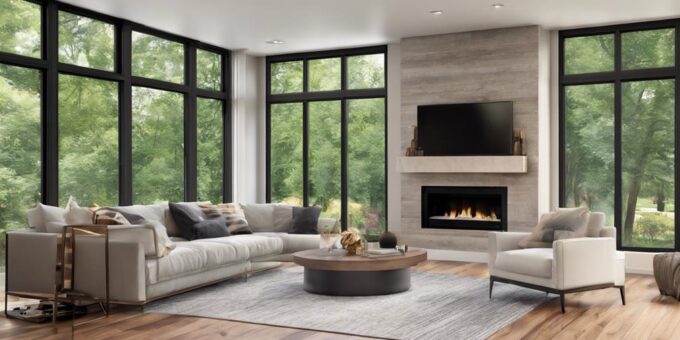
We’re convinced that upgrading our homes can increase their value, and with the right DIY projects, we can boost our property’s appeal and resale price without breaking the bank. From a fresh coat of paint to modern lighting fixtures, DIY kitchen renovations, and strategic bathroom remodels, there are many ways to upgrade our homes. We can also update our flooring, enhance our outdoor spaces with landscaping, and optimize our storage solutions. By tackling these DIY projects, we can increase our property value and make our homes more attractive to potential buyers. As we explore these projects further, we’ll uncover even more ways to enhance our homes. Additionally, focusing on energy-efficient upgrades like smart thermostats and LED lighting can appeal to eco-conscious buyers while reducing utility costs. Maximizing your home’s value also involves maintaining its structural integrity by fixing minor repairs before they become major issues. By investing time and effort into these improvements, we can create a more comfortable living space while increasing its market desirability.
Painting for a Fresh New Look
When we're looking to give our homes a fresh new look without breaking the bank, a simple coat of paint can work wonders. It's an easy and affordable way to revamp our living spaces, and the best part is that we can do it ourselves with minimal DIY skills. With a little creativity and some elbow grease, we can transform our walls from dull to dazzling.
We can choose from a vast array of colors and finishes to suit our personal style, from soft pastels to bold brights. A fresh coat of paint can also help to cover up imperfections like scuffs and scratches, leaving our walls looking smooth and new. Plus, it's an opportunity to get creative with accent walls, stripes, or even a statement ceiling.
Before we get started, it's essential to prep our surfaces by cleaning the walls, fixing any holes or cracks, and sanding them smooth. Then, we can tape off the trim and get painting! With a few coats and some patience, we'll be enjoying our newly refreshed space in no time. Whether we're looking to sell our home or simply want to give it a facelift, a fresh coat of paint is a simple and effective way to do just that.
Upgrading Lighting Fixtures Easily
As we continue to give our homes a makeover, we're turning our attention to upgrading our lighting fixtures – it's amazing how much of a difference it can make! We'll start by swapping out outdated fixtures for new ones that add a fresh touch to our spaces. From there, we'll explore ways to add ambient lighting and even install smart lighting to take our homes to the next level.
Replace Outdated Fixtures
We're tackling outdated fixtures head-on by swapping them out for modern, energy-efficient alternatives that instantly elevate our home's ambiance. Not only do these new fixtures improve the aesthetic appeal of our space, but they also provide better lighting and reduce our energy consumption. We're talking about those old, dusty ceiling fixtures, sconces, and pendant lights that were installed decades ago. It's time to replace them with sleek, modern designs that make a statement.
We've found that replacing outdated fixtures is a relatively easy DIY project, requiring minimal tools and expertise. Plus, it's an affordable way to give our home a facelift without breaking the bank. We've opted for LED fixtures, which not only provide superior lighting but also use noticeably less energy than their traditional counterparts. By upgrading our lighting fixtures, we're creating a brighter, more welcoming atmosphere that's perfect for entertaining or relaxing with family. And, as an added bonus, these modern fixtures will certainly increase our property value when it's time to sell.
Add Ambient Lighting
We'll create a warm and inviting ambiance by adding ambient lighting fixtures that seamlessly blend functionality with style. By incorporating soft, warm glows, we'll create a cozy atmosphere that makes our home feel more welcoming. Ambient lighting can be achieved through various methods, such as installing floor lamps, table lamps, or string lights. We can also use LED candles or fairy lights to add a touch of elegance.
When selecting ambient lighting fixtures, we should consider the room's purpose and the type of light desired. For example, in a living room, we may want to use floor lamps to create pools of light, while in a bedroom, we might prefer softer, warmer lighting. We should also consider the color temperature of the bulbs, opting for warm whites or soft blues to create a relaxing atmosphere. By thoughtfully selecting and placing ambient lighting fixtures, we'll create a warm and inviting space that exudes comfort and style.
Install Smart Lighting
By upgrading our lighting fixtures with smart lighting solutions, we can take our ambient lighting to the next level, effortlessly controlling the mood and atmosphere of our space with just a few taps on our smartphones. With smart lighting, we can adjust the brightness, color, and tone of our lights to suit our mood, task, or time of day. Whether we're looking to create a cozy ambiance or a bright and energizing atmosphere, smart lighting makes it easy.
We can install smart light bulbs, which can be controlled remotely using our smartphones or voice assistants. We can also schedule our lighting to turn on and off automatically, giving our home a lived-in look even when we're away. Plus, smart lighting can help us save energy and reduce our utility bills. With so many benefits, it's no wonder smart lighting has become a top DIY project for homeowners looking to increase their property value. By upgrading to smart lighting, we can enjoy a more convenient, comfortable, and energy-efficient living space that's tailored to our unique needs and preferences.
Kitchen Renovations on a Budget
As we tackle kitchen renovations on a budget, we're excited to explore affordable ways to give our kitchens a fresh new look. We'll start by discussing budget-friendly material options that won't break the bank, from discounted countertops to refurbished appliances. By optimizing our kitchen layout and making smart material choices, we can create a beautiful and functional space that fits our budget and meets our needs.
Budget-Friendly Material Options
When it comes to kitchen renovations on a budget, opting for budget-friendly material options can make all the difference in staying within our means. We don't have to break the bank to achieve a stylish and functional kitchen. By choosing affordable materials, we can allocate our budget to the most critical aspects of the renovation.
Here are some budget-friendly material options we can consider:
- Laminate countertops: A cost-effective alternative to natural stone, offering a similar look at a fraction of the cost.
- Ceramic tiles: Affordable and durable, ceramic tiles are perfect for backsplashes and flooring.
- Engineered quartz: A more affordable option compared to natural quartz, offering a similar look and durability.
- Refurbished or recycled materials: Consider repurposing materials from Habitat for Humanity ReStores or local salvage yards to reduce waste and save money.
- Stock cabinets: Pre-made cabinets that are readily available and affordable, ideal for those on a tight budget.
Optimizing Kitchen Layout
We can maximize our kitchen's functionality and flow by strategically placing key elements, such as appliances, countertops, and storage, to create a seamless workflow that suits our cooking style. This means positioning frequently used items within easy reach, like placing the coffee maker near the sink or locating the trash can near the cooking zone. By doing so, we can reduce walking distances and make meal prep more efficient.
When it comes to workflow, the 'work triangle' concept is essential. This means positioning the sink, stove, and fridge in a triangular formation to minimize walking distances between these important areas. We should also consider the 'landing strip' area, where we place items like keys, mail, and bags, ideally near the entrance. By optimizing our kitchen layout, we can create a space that's both functional and enjoyable to cook in, which can significantly enhance our property's value. With a little planning and creativity, we can achieve a beautiful and efficient kitchen on a budget.
Bathroom Remodels for Resale
By investing in strategic bathroom remodels, we can greatly enhance our home's resale value and appeal to potential buyers. A well-designed bathroom can be a major selling point, especially for families and retirees who prioritize functionality and comfort. To get the most bang for our buck, we should focus on making targeted upgrades that address common pain points and aesthetic concerns.
Here are some high-impact changes we can make to our bathroom:
- Update fixtures and fittings: Swap outdated faucets, showerheads, and toilets with modern, water-efficient alternatives that exude luxury and sophistication.
- Renew surfaces and finishes: Replace worn-out tile, grout, and caulk with fresh, high-quality materials that create a clean, spa-like ambiance.
- Improve lighting: Install LED strips, sconces, or skylights to create a brighter, more inviting atmosphere that highlights our bathroom's best features.
- Enhance storage and organization: Add clever cabinetry, shelves, or recessed niches to keep toiletries and linens out of sight, making our bathroom feel more spacious and relaxing.
- Incorporate spa-inspired elements: Incorporate heated floors, rainfall showerheads, or a freestanding tub to create a sumptuous retreat that buyers will love.
Flooring Updates for a New Feel
As we shift our focus from bathroom remodels to flooring updates, we're presented with an opportunity to evaluate the entire aesthetic and functionality of our home. This is a critical aspect of DIY home improvement projects, as it can greatly impact the overall feel and value of our property. Outdated or worn-out flooring can make our home look dated and uninviting, while new flooring can breathe fresh life into our living spaces.
We can start by appraising our current flooring situation, identifying areas that need a refresh. Perhaps our hardwood floors are scratched and faded, or our carpet is stained and worn thin. Whatever the case, we can choose from a range of flooring options to suit our style and budget. Hardwood, laminate, tile, and luxury vinyl are all popular choices that can add value and appeal to our home.
When selecting new flooring, we should consider factors like durability, maintenance, and noise level. For instance, if we have a large family or pets, we may want to opt for flooring that's easy to clean and resistant to scratches. On the other hand, if we're looking for a more luxurious feel, we might choose hardwood or tile. Whatever our choice, a well-chosen flooring update can make a significant impact on our home's overall appeal and value.
Landscaping for Curb Appeal
Fresh landscaping can instantly elevate our home's curb appeal, making a great first impression on visitors and potential buyers alike. A well-manicured lawn, vibrant flowers, and strategically placed plants can transform our outdoor space into a stunning oasis that boosts our property's value.
We don't need to be professional landscapers to create a beautiful outdoor space. With a little creativity and elbow grease, we can create a welcoming atmosphere that sets our home apart from the rest. Here are some DIY landscaping ideas to get us started:
- Add a statement piece: Install a decorative fountain, statue, or large planter to create visual interest and draw the eye to our home's best features.
- Create a cohesive color scheme: Choose a palette of 2-3 colors and stick to it when selecting plants, flowers, and outdoor decor to create a harmonious look.
- Use lighting to set the mood: String lights, lanterns, or pathway lighting can add ambiance and highlight our home's best features in the evening.
- Incorporate native plants: Choose plants that thrive in our local climate to reduce maintenance and create a natural, effortless look.
- Don't forget the details: Add decorative elements like outdoor throw pillows, rugs, and planters to create a cozy, inviting atmosphere.
Organized Storage for a Clutter-Free Home
With cluttered spaces threatening to overwhelm our daily lives, we're taking back control by incorporating clever storage solutions that keep our homes tidy and organized. It's no secret that a pivotal aspect of home improvement is a clutter-free home, which not only boosts our mental well-being but also greatly enhances our property's value. As we tackle this vital aspect of home improvement, we're focusing on creative ways to maximize storage without sacrificing style.
We're repurposing unused spaces, such as under-bed storage containers and hollowed-out books with secret compartments, to stash away items that would otherwise clutter our living areas. We're also investing in multi-functional furniture pieces, like ottomans with built-in storage and coffee tables with lift-top compartments, to keep our belongings hidden from view. By doing so, we're creating a sense of calm and serenity in our homes, making them more inviting to potential buyers.
In addition, we're utilizing vertical space by installing shelving units, hooks, and baskets to keep items off the floor and out of the way. This not only keeps our homes organized but also makes the space feel larger and more open. By incorporating these innovative storage solutions, we're not only improving our daily lives but also increasing our property's value and appeal to potential buyers.
Frequently Asked Questions
How Do I Choose the Right Materials for My DIY Project?
When tackling a DIY project, we always ask ourselves, 'How do we select the right materials?' We've learned that it's essential to take into account the project's purpose, budget, and personal style. We research different options, read reviews, and weigh the pros and cons of each material. We also think about durability, maintenance, and sustainability. By taking our time and doing our homework, we can make informed decisions that lead to a successful and stress-free project.
Can I DIY a Home Improvement Project With No Experience?
We're wondering if we can tackle a DIY project with zero experience. Honestly, it's intimidating, but we can do it! We'll start by breaking down the project into smaller tasks and researching each step. We'll also watch tutorials, read guides, and ask for advice from friends or family who have done similar projects. With patience and persistence, we can learn as we go and still achieve professional-looking results.
How Long Does a Typical DIY Home Improvement Project Take?
We're wondering how long our DIY project will take, and honestly, it's hard to give an exact timeline. It really depends on the scope of the project and our level of expertise. Are we tackling a simple paint job or a full kitchen renovation? Have we done this before, or is it our first time? Generally, we can expect a small project to take a weekend, while a larger one can take several weeks or even months.
What Safety Precautions Should I Take During DIY Projects?
As we undertake our latest DIY adventure, we can't help but wonder what dangers lurk in the shadows. We've all heard the horror stories – a misstep here, a miscalculation there, and suddenly we're facing a nightmare scenario. But we're not ones to shy away from a challenge. So, what safety precautions should we take to avoid disaster? We'll start by donning the right gear, from gloves to goggles, and making sure we've got a clear escape route. With caution and common sense, we'll conquer our project without a hitch.
Can I Claim DIY Home Improvements on My Taxes?
We're wondering if we can write off our DIY endeavors on our taxes. The good news is, yes, we can claim some DIY home improvements as tax deductions! According to the IRS, we can deduct the cost of materials and labor for certain home improvements, like energy-efficient upgrades or medically necessary modifications. However, it's essential to keep receipts and records to support our claims.
