
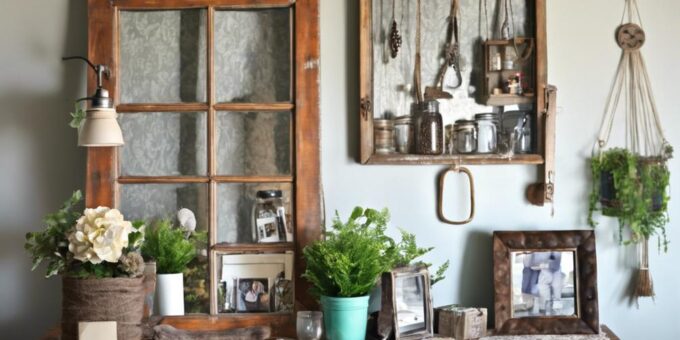
Transform discarded materials into unique decorative pieces through the art of upcycling, a creative and sustainable way to reduce waste and infuse living spaces with personality and charm. Reclaim wood to add rustic charm, repurpose vintage items into functional decor, and turn trash into treasured lighting fixtures. Old maps can become visually appealing wall art, while fabric scraps can be transformed into vibrant rugs. From industrial waste to urban oases, upcycling redefines discarded materials into innovative decor ideas. Explore the limitless possibilities of upcycling to uncover fresh inspiration for your next creative project.
Rustic Charm From Reclaimed Wood
Reclaimed wood, often imbued with the rich patina of history, can be repurposed into unique decorative elements that infuse any space with rustic charm. The distressed textures and varied hues of reclaimed wood add depth and character to a room, evoking a sense of nostalgia and warmth. By incorporating reclaimed wood into your decor, you can create a cozy and inviting atmosphere that fosters a sense of connection and community.
Consider repurposing old wooden pallets into coffee tables, shelves, or wall art. You can also upcycle vintage wooden doors into one-of-a-kind headboards or room dividers. For a more subtle touch, use reclaimed wood to create decorative accents, such as coasters, picture frames, or mirror frames. By giving new life to old wood, you can create a space that not only celebrates the beauty of history but also tells a story of sustainability and creativity. Additionally, reclaimed wood can be used to craft small space storage solutions, such as floating shelves, compact cabinets, or under-bed storage crates. These pieces not only maximize functionality in tight areas but also add rustic charm to your décor. By incorporating sustainable materials into your design, you contribute to a more eco-friendly lifestyle while enhancing the character of your home.
Vintage Treasures in New Forms
Beyond the rustic charm of reclaimed wood, old items can be transformed into unique decorative pieces that exude a nostalgic appeal, inviting us to reimagine vintage treasures in new forms. This creative approach to upcycling not only reduces waste but also honors the history and character of the original pieces. Vintage suitcases, for instance, can be repurposed as coffee tables or storage ottomans, while old windows can be transformed into mirrors, room dividers, or even functional shelves.
Lighting up With Trash to Treasure
One person's discarded relics can become another's treasured lighting fixtures, as creative minds breathe new life into old, forgotten items. With a dash of creativity and resourcefulness, upcyclers transform trash into functional and unique lighting solutions. An old mason jar, once destined for the landfill, can be repurposed as a charming pendant light, adding rustic charm to any room. Similarly, a vintage metal colander can be transformed into a quirky pendant light, adding an industrial touch to modern spaces.
Old CDs, typically discarded after serving their purpose, can be upcycled into a dazzling chandelier, casting a kaleidoscope of colors across the room. Even discarded plastic bottles can be transformed into stunning lamp shades, reducing waste and adding an eco-friendly touch to any space. By embracing the art of upcycling, individuals not only reduce waste but also create functional, one-of-a-kind lighting fixtures that tell a story of creativity and resourcefulness.
Old Maps Become Wall Art
Old maps can be repurposed into unique and visually appealing wall art, adding a touch of vintage charm to any room. To create stunning pieces, consider experimenting with map collage techniques, which involve combining fragments of different maps to form a cohesive whole. Additionally, decoupage design ideas can also be applied to create intricate and layered designs that showcase the beauty of these vintage materials.
Map Collage Techniques
By creatively repurposing vintage maps, you can transform them into stunning works of wall art that add a touch of nostalgia and sophistication to any room. One of the most striking ways to upcycle old maps is through collage techniques. This involves combining multiple maps to create a unique piece of art that tells a story or conveys a message.
To create a map collage, start by selecting maps with complementary colors and textures. You can use entire maps or cut out specific features, such as borders, roads, or landmarks. Arrange the maps in a visually appealing way, considering balance, symmetry, and negative space. Use a decoupage medium or adhesive to secure the maps to a surface, such as canvas, wood, or paper.
Experiment with different collage techniques, such as layering, overlapping, or juxtaposing maps to create depth and visual interest. You can also add other embellishments, like stickers, stamps, or paint, to enhance the design. With a little creativity, you can turn vintage maps into a one-of-a-kind piece of art that sparks conversation and adds character to any space.
Decoupage Design Ideas
Elegance and sophistication can be brought to any room through the art of decoupage, where vintage maps are transformed into stunning wall art that tells a unique story. This art form not only adds a touch of class to any space but also serves as a meaningful conversation starter. By upcycling old maps, individuals can create a personalized piece of art that reflects their travels, heritage, or personal interests.
Here are some decoupage design ideas worth exploring:
- Geometric Pattern: Cut out map fragments to create a geometric pattern, adding a touch of modernity to any room.
- Vintage Collage: Combine multiple maps to create a stunning collage that showcases a unique narrative.
- Monochromatic: Use maps with a single color scheme to create a cohesive and sophisticated design.
- Personalized: Incorporate personal elements, such as ticket stubs or postcards, to make the art piece truly one-of-a-kind.
Fabric Scraps to Colorful Rugs
Transform discarded fabric scraps into vibrant, one-of-a-kind rugs that add a splash of personality to any room. With a little creativity and some simple braiding or sewing techniques, you can breathe new life into fabric remnants that would otherwise end up in landfills. Start by collecting fabric scraps in various textures, colors, and patterns. You can use old clothes, upholstery fabric, or even burlap sacks. Cut the fabric into strips, and then braid or sew them together to form a rug. You can create a simple, striped design or get creative with complex patterns and shapes. To add some extra texture and interest, incorporate other materials like yarn, rope, or even plastic bags. The result is a unique, eco-friendly rug that not only reduces waste but also adds a touch of personality to any space. With this upcycling project, you can create a functional piece of art that tells a story and sparks conversation.
Turning Trash Into Functional Art
In the world of creative repurposing, transforming discarded materials into functional art pieces is an innovative approach to sustainable decor. This concept not only reduces waste but also yields unique, conversation-starting pieces that add character to any space. By reimagining discarded items, individuals can breathe new life into old materials, turning trash into functional gold.
Reimagined Materials
By repurposing discarded materials, creative individuals can breathe new life into items once destined for landfills, crafting unique decorative pieces that not only reduce waste but also add a touch of personality to any space. This process of upcycling allows us to rethink the way we consume and discard, promoting a more sustainable and environmentally conscious lifestyle.
Here are some examples of reimagined materials that can be transformed into functional art:
- Old pallets turned into rustic coffee tables or shelving units, adding a touch of industrial chic to any room.
- Glass bottles transformed into elegant pendant lights or unique vases, showcasing the beauty of recycled glass.
- Denim jeans repurposed into sturdy bags, quirky quilts, or even insulated curtains, reducing textile waste and promoting creative reuse.
- Metal cans reborn as quirky planters, candle holders, or wind chimes, highlighting the versatility of recycled metal.
Through the art of upcycling, we can reduce waste, promote creativity, and create unique decorative pieces that tell a story of sustainability and innovation.
Old Into Gold
From discarded machinery parts to vintage machinery, creative minds are breathing new life into forgotten relics, reconfiguring them into functional masterpieces that not only pay homage to their industrial heritage but also exude a sense of nostalgic charm. By repurposing old machinery, artists and designers are able to create unique and functional pieces that tell a story of their past lives.
| Original Item | Upcycled Item | Functional Use |
|---|---|---|
| Old Gearbox | Industrial Coffee Table | Coffee table with storage |
| Vintage Typewriter | Desk Lamp | Reading lamp with USB port |
| Machinery Cog | Wall Clock | Functional timepiece with industrial flair |
| Retro Microscope | Pendant Light | Unique lighting fixture |
| Antique Printing Press | Shelving Unit | Bookshelf with industrial charm |
These creative transformations not only reduce waste but also inspire a sense of appreciation for the history and character of the original items. By turning trash into functional art, upcyclers are able to create one-of-a-kind pieces that serve as a tribute to human ingenuity and creativity.
Transforming Discards
What happens when discarded items are transformed into functional works of art, and how do these transformations redefine the way we perceive and interact with the world around us? This creative process not only reduces waste but also challenges our conventional understanding of beauty and purpose.
Through upcycling, we can breathe new life into discarded items, giving them a second chance to become something truly unique and functional. This art form inspires us to rethink our consumption habits and encourages sustainable living.
Here are a few examples of transformed discards:
- Old pallets turned into coffee tables: A perfect blend of rustic charm and modern functionality.
- Glass bottles transformed into chandeliers: A stunning display of creativity and eco-friendliness.
- Tire planters: A quirky way to reuse old tires and add some greenery to your outdoor space.
- Vintage window planters: A beautiful way to repurpose old windows and bring some charm to your garden.
Urban Oasis From Industrial Waste
Rethinking industrial waste as a valuable resource, designers are transforming discarded materials into unique components of urban oases, where functionality meets sustainability. By repurposing industrial waste, designers can create functional and aesthetically pleasing spaces that promote environmental stewardship. For instance, old shipping containers can be transformed into modern, eco-friendly homes or offices. Similarly, discarded tires can be repurposed as planters for urban gardens, providing a sustainable solution for urban agriculture.
Innovative designers are also using industrial waste to create public art installations, such as sculptures made from recycled metal scraps or murals painted on repurposed concrete walls. These urban oases not only provide a peaceful escape from the hustle and bustle of city life but also serve as a reminder of the importance of sustainable living. By upcycling industrial waste, designers can create functional, beautiful, and environmentally conscious spaces that benefit both individuals and the community at large.
Frequently Asked Questions
Can Upcycling Be a Profitable Business Venture?
Upcycling can be a profitable business venture, as it capitalizes on the growing demand for sustainable and eco-friendly products. By transforming discarded materials into unique, high-quality items, entrepreneurs can tap into the lucrative market of environmentally conscious consumers. With effective marketing and pricing strategies, upcycling businesses can generate significant revenue while promoting a culture of reuse and recycling.
How Do I Find Unique Items to Upcycle at Thrift Stores?
While others see discarded items, upcyclers envision masterpieces. Thrift stores are treasure troves for unique finds, but require a discerning eye. To uncover hidden gems, adopt a mindset of creativity and patience. Scour shelves meticulously, and don't be afraid to dig through piles. Seek out unusual shapes, textures, and materials that spark inspiration. Inspect items for quality, durability, and potential for transformation. By adopting this mindset, you'll uncover one-of-a-kind pieces to upcycle into stunning works of art.
What Safety Precautions Should I Take When Working With Power Tools?
When working with power tools, safety precautions are paramount. Wear protective gear, including safety glasses, ear protection, and a dust mask to prevent injury from flying debris, loud noises, and airborne particles. Maintain a stable and balanced stance, keeping a firm grip on tools. Keep loose clothing and long hair tied back, and avoid wearing jewelry that may get caught in moving parts. Always follow the manufacturer's instructions and maintain a clean, well-lit workspace to minimize risks.
Can Upcycled Items Be Used for Outdoor Decoration?
According to the Environmental Protection Agency, the average American generates about 4.4 pounds of trash per day, highlighting the need for sustainable practices. When it comes to outdoor decoration, upcycled items can be a creative and eco-friendly solution. With proper weather-resistant coatings and protection, upcycled items like planters, birdhouses, or sculptures can thrive outdoors, adding a touch of personality to outdoor spaces while reducing waste.
Are There Any Copyright Laws to Consider When Upcycling Vintage Items?
When upcycling vintage items, it's crucial to take into account copyright laws to avoid potential legal issues. Copyright protection typically lasts for a certain number of years after the creator's death, varying by country. Make sure you have permission or that the item is in the public domain. Research the original creator's rights and obtain necessary permissions to avoid infringement. Additionally, be mindful of trademark laws, as certain logos or designs may still be protected.
