
We’re harnessing technology to revolutionize humanitarian efforts. Drones and AI help us respond faster to disasters, while social media and crowdsourcing mobilize volunteers and resources. AI chatbots assist refugees, and data analytics streamline aid distribution. Mobile health solutions bring critical care to crisis zones, and blockchain guarantees supply chain transparency. Cybersecurity safeguards sensitive information, and crowdsourced funding enables swift responses. Satellite imagery helps us assess damage and locate missing people. As we push the boundaries of tech for good, we’re discovering new ways to save lives and drive meaningful change – and there’s still so much more to explore. Machine learning enhances predictive analytics, allowing us to anticipate crises and allocate resources more efficiently. The use of drones in modern logistics ensures rapid delivery of medical supplies to remote or disaster-stricken areas, minimizing delays and saving lives. As technology evolves, integrating these innovations will further strengthen our ability to provide timely and effective humanitarian aid.
Disaster Response Goes Digital

When disaster strikes, we're often caught off guard, but digital technologies are revolutionizing our response to these devastating events. We're no longer limited by traditional methods of disaster response, which can be slow and inefficient. With the advent of digital technologies, we can respond faster, more effectively, and with greater precision.
We're leveraging technologies like drones, artificial intelligence, and data analytics to quickly assess damage, locate survivors, and prioritize relief efforts. We're using social media and messaging platforms to disseminate critical information, provide updates, and facilitate communication between responders, victims, and families. We're also leveraging the power of crowdsourcing to mobilize volunteers, gather resources, and provide support.
The impact is significant. We're saving lives, reducing response times, and improving the overall effectiveness of disaster response efforts.
As we continue to innovate and push the boundaries of what's possible, we're creating a more resilient, more compassionate, and more connected world. And that's a future worth fighting for.
AI for Refugee Support Systems
We're harnessing the power of artificial intelligence to revolutionize refugee support systems, providing critical assistance to those who need it most. AI-powered chatbots, for instance, are being used to facilitate language translation, enabling refugees to communicate more effectively with aid workers and access essential information.
This technology is particularly important for refugees who may not speak the dominant language of their host country.
AI-driven matching algorithms are helping to connect refugees with available resources, such as housing, food, and medical care. These algorithms analyze individual needs and preferences to provide personalized support, streamlining the relief process and ensuring that aid reaches those who need it most.
Data Analytics for Humanitarian Aid
By leveraging advanced data analytics, humanitarian organizations can now uncover hidden patterns and trends in disaster response, enabling them to respond more efficiently to emerging crises.
We're able to analyze large datasets to identify areas of need, prioritize resource allocation, and optimize logistics. This means we can get aid to those who need it most, faster and more effectively.
Here are just a few ways data analytics is making a difference:
- Predictive modeling: We're using machine learning algorithms to forecast disaster risks, allowing us to pre-position resources and personnel before a crisis strikes.
- Real-time monitoring: Advanced data analytics enables us to track the spread of disease outbreaks, allowing for targeted interventions and more effective containment strategies.
- Supply chain optimization: By analyzing transportation networks and inventory levels, we're able to streamline aid delivery, reducing waste and ensuring critical resources reach those in need.
Mobile Health in Crisis Zones
As we respond to disasters, our phones have become essential tools, enabling us to access critical health information and services in crisis zones. Mobile health technologies have revolutionized the way we respond to emergencies, providing crucial support to those affected. With mobile devices, we can quickly access medical resources, communicate with healthcare professionals, and receive timely care.
| Mobile Health Application | Benefit in Crisis Zones |
|---|---|
| Telemedicine Platforms | Remote medical consultations, reducing the need for physical infrastructure |
| Health Information Portals | Access to reliable health information, dispelling myths and misinformation |
| Mobile Data Collection Tools | Real-time data collection, enabling swift response and resource allocation |
In crisis zones, mobile health technologies have been instrumental in saving lives. They've enabled us to respond swiftly, providing critical care and support when it's needed most. By harnessing the power of mobile technology, we're empowering individuals and communities to take control of their health, even in the most challenging environments.
Blockchain for Supply Chain Transparency
As we explore the role of blockchain in humanitarian efforts, we're seeing how it can bring unprecedented transparency to supply chains. By utilizing blockchain technology, we can track raw materials from source to delivery, ensuring that aid reaches those who need it most.
This level of importance is vital in securing aid distribution and preventing fraud or misdirection.
Tracking Raw Materials
We're leveraging blockchain technology to track raw materials and promote supply chain transparency, an essential step towards eradicating unethical practices in global trade. By creating an immutable record of transactions, blockchain helps guarantee that raw materials are sourced responsibly and ethically. This innovative approach enables us to identify and address human rights abuses, child labor, and environmental degradation that often plague global supply chains.
Here are three ways blockchain is revolutionizing raw material tracking:
- End-to-end visibility: Blockchain provides a transparent and tamper-proof record of transactions, enabling us to track raw materials from source to delivery.
- Authentication and verification: Blockchain ensures the authenticity of raw materials, preventing counterfeiting and tampering.
- Real-time monitoring: With blockchain, we can monitor supply chains in real-time, enabling swift response to disruptions or irregularities.
Securing Aid Distribution
By safeguarding the integrity of aid distribution, we can guarantee that relief efforts reach those who need them most, and blockchain technology is paving the way for this transparency. In today's complex humanitarian landscape, it's essential that aid distribution is efficient, reliable, and secure. Unfortunately, corruption, mismanagement, and lack of transparency often hinder these efforts. This is where blockchain technology comes in – providing an immutable, decentralized ledger that ensures the authenticity and traceability of aid supplies.
| Benefits | How Blockchain Helps |
|---|---|
| Transparency | Provides real-time tracking of aid supplies |
| Accountability | Creates an immutable record of transactions |
| Efficiency | Automates supply chain management |
| Security | Ensures tamper-proof storage of data |
Virtual Reality for Empathy Building
Through immersive experiences, virtual reality is helping us step into the shoes of others, fostering deeper empathy and understanding of the world's most pressing humanitarian issues. We're no longer just reading about refugee crises or natural disasters; we're living them. This proximity is powerful, allowing us to connect with people and stories on a deeper level. By simulating the experiences of others, we're cultivating a sense of compassion and responsibility that's hard to ignore.
Here are just a few ways VR is driving empathy and action:
- Raising awareness: VR experiences are being used to raise awareness about critical issues, from climate change to gender inequality.
- Fundraising and advocacy: Organizations are leveraging VR to create compelling fundraising campaigns and advocacy efforts.
- Training and education: VR is being used to train humanitarian workers, volunteers, and the general public on critical skills and issues.
As we continue to harness the potential of VR, we're poised to inaugurate a new era of empathy and action. By walking in others' shoes, we're becoming more invested in creating a better world for all.
Cybersecurity in Humanitarian Work
As we step into the shoes of others through VR, we're also acknowledging that our efforts to make a difference can't happen without protecting the very systems and data that support them. Cybersecurity is a critical component of humanitarian work, ensuring that sensitive information and resources are safeguarded from malicious actors.
We can't afford to have our efforts compromised by cyber threats, which could lead to the exploitation of vulnerable populations or the disruption of life-saving services.
That's why we're prioritizing cybersecurity in our humanitarian efforts. We're implementing robust security protocols, training our teams on best practices, and investing in cutting-edge technology to stay ahead of potential threats. We're also collaborating with cybersecurity experts and other organizations to share knowledge and resources, ensuring that our collective efforts are protected.
Crowdsourced Funding for Good
As we delve into the domain of crowdsourced funding for good, we're seeing a significant shift in how humanitarian efforts are financed.
We're witnessing the rise of donation platforms that make it easier for people to contribute to causes they care about, and emergency aid funding is becoming more accessible than ever.
What's more, micro-donations are adding up to make a substantial impact, and we're excited to examine these trends further.
Donation Platforms Rise
We've seen a significant surge in online donation platforms that facilitate crowdsourced funding for humanitarian causes, enabling us to make a tangible impact on the lives of those in need. These platforms have democratized philanthropy, allowing anyone with an internet connection to contribute to a good cause. We can now respond swiftly to emerging crises and support marginalized communities with ease.
Here are three ways these platforms are making a difference:
- Accessibility: Online donation platforms have made it possible for us to support causes from anywhere in the world, at any time.
- Transparency: These platforms provide real-time updates on fundraising progress, ensuring that we can track the impact of our donations.
- Inclusivity: Crowdsourced funding has enabled individuals from all walks of life to contribute, regardless of their financial means or geographical location.
Emergency Aid Funding
Rapidly, crowdfunding platforms have become a lifeline for emergency aid funding, enabling us to respond swiftly to sudden-onset disasters and humanitarian crises.
We've witnessed the power of crowdsourced funding in action, as people from all walks of life come together to support those in need.
Platforms like GoFundMe, Kickstarter, and Indiegogo have democratized emergency aid funding, allowing us to bypass traditional bureaucratic channels and get funds directly to those who need them most.
This shift has been instrumental in saving lives, providing shelter, and restoring dignity to affected communities. We've seen it time and again – from natural disasters like hurricanes and wildfires to refugee crises and health epidemics.
By leveraging technology and social networks, we're able to mobilize resources, raise awareness, and drive meaningful change.
As we continue to harness the potential of crowdfunding, we're empowered to respond with greater speed, agility, and compassion.
Together, we're rewriting the script on emergency aid funding, and the impact is nothing short of remarkable.
Micro-Donations Add Up
Through the collective power of small, individual contributions, micro-donations are proving that even the smallest amounts can add up to make a significant difference in the lives of those affected by crisis. We're not just talking about spare change – we're talking about a collective effort that can bring about real change.
With the rise of digital platforms and mobile giving, it's never been easier to make a micro-donation. We can donate as little as $1, $5, or $10, and it all adds up.
Here are just a few ways micro-donations are making an impact:
- Rapid Response: Micro-donations can provide immediate support during emergencies, allowing responders to act quickly and effectively.
- Sustainable Funding: Ongoing micro-donations can provide a steady stream of funding for long-term projects and programs.
- Community Engagement: Micro-donations empower individuals to take an active role in creating positive change, fostering a sense of community and social responsibility.
Satellite Imagery for Disaster Relief
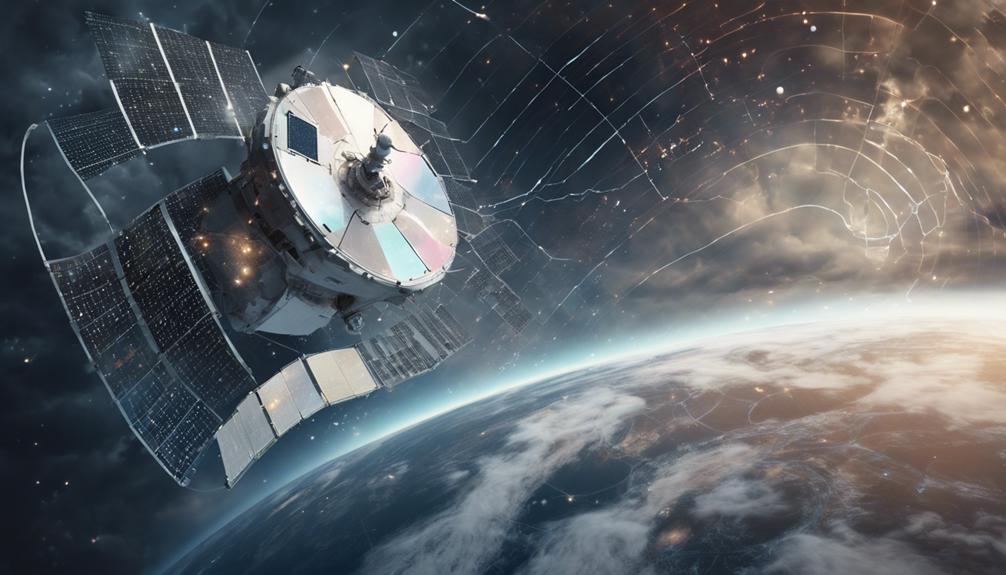
When disaster strikes, our teams rely on satellite imagery to swiftly assess damage and pinpoint areas of need, allowing us to respond more efficiently and effectively. This technology enables us to quickly identify affected populations, damaged infrastructure, and potential hazards, ensuring we provide targeted support where it's needed most.
Satellite imagery also helps us to:
Damage assessment
- Quickly identify affected areas
- Example: Identify flooded areas after a hurricane
Resource allocation
- Optimize resource distribution
- Example: Allocate food and water to areas of greatest need
Infrastructure planning
- Plan reconstruction efforts
- Example: Identify areas for road repair and rebuilding
Environmental monitoring
- Track environmental changes
- Example: Monitor deforestation and habitat destruction
Search and rescue
- Locate missing people
- Example: Identify areas of debris and rubble
Frequently Asked Questions
How Do Digital Humanitarian Efforts Address Cultural Sensitivity?
As we immerse ourselves in digital humanitarian efforts, we realize that cultural sensitivity is vital.
We've seen how well-intentioned initiatives can backfire if they're not tailored to local customs and values.
We believe it's essential to involve local communities in the development process, ensuring our solutions respect and adapt to their unique cultural contexts.
Can AI Systems Truly Replace Human Judgment in Crisis Response?
As we navigate the complexities of crisis response, we're forced to confront the limits of AI systems. Can they truly replace human judgment in the heat of the moment? We think not.
While AI excels in data analysis, it lacks the emotional intelligence and nuance that humans bring to the table. In the chaos of crisis, empathy and instinct are invaluable – and AI systems can't replicate that.
Are Blockchain Transactions Truly Secure in High-Risk Zones?
We're concerned about the security of blockchain transactions in high-risk zones. We've seen instances where even the most secure systems can be compromised.
Hackers are getting smarter, and we worry that blockchain's decentralized nature mightn't be sufficient to protect sensitive data in areas with limited infrastructure and unstable governments.
We need to guarantee that our tech is robust enough to withstand these challenges, or risk undermining the very people we're trying to help.
How Do Organizations Ensure Data Privacy in Crisis Situations?
We prioritize data privacy in crisis situations. We recognize that in chaotic environments, sensitive information can be compromised. To guarantee data protection, we implement robust encryption, secure servers, and access controls.
We also conduct regular security audits and employee training to prevent breaches. Additionally, we anonymize data whenever possible and obtain explicit consent from individuals before collecting their information.
Can Virtual Reality Truly Evoke Empathy in Those Who Have Not Experienced Crisis?
We've all seen those heart-wrenching images of crisis zones, but let's be real, they often feel like a distant hum, a fleeting thought before we scroll away.
But what if we could literally step into the shoes of those affected? Virtual reality has the potential to transport us to the heart of the crisis, making the unimaginable, imaginable. Can it truly evoke empathy?
We believe so – by bridging the gap between observer and experience, VR can awaken a sense of responsibility, sparking real action.
Conclusion
As we harness the power of technology for good, the impact is palpable. It's like a ripple effect, where every innovation creates a wave of change that resonates globally.
From disaster response to refugee support, data analytics to virtual reality, we're witnessing a seismic shift in humanitarian efforts.
As we continue to push the boundaries of tech for good, the possibilities are endless, and the future looks brighter than ever.
