

Virtual reality is transforming the real estate industry by providing immersive property experiences, reducing physical visits by up to 40%. This revolutionizes property viewing, offering buyers 24/7 exploration, tailored experiences, and interactive hotspots. Real estate agents gain a competitive edge, and costs are saved on travel and physical visits. With enhanced listing presentations, virtual staging, and decor, properties are showcased in their full potential. Buyers engage emotionally, and sellers attract global buyers, increasing lead conversion rates. As VR technology advances, the real estate market will continue to evolve, and there’s more to explore on the horizon. Furthermore, virtual reality in real estate enables remote buyers to make informed decisions without the need for in-person visits, streamlining the purchasing process. This technology also supports architects and developers by allowing them to present pre-construction properties with realistic simulations. As adoption grows, virtual reality in real estate will become an industry standard, redefining the way properties are marketed and sold.
The Future of Property Viewings

Virtual reality is poised to revolutionize the property viewing experience, transforming the way buyers explore and interact with potential homes. With VR technology, buyers can immerse themselves in a virtual environment, exploring every nook and cranny of a property from the comfort of their own homes. This not only saves time and effort but also allows buyers to make more informed decisions about their potential purchases.
Moreover, VR property viewings can help reduce the number of physical property visits, alleviating the pressure on both buyers and sellers. For instance, buyers can shortlist their preferred properties based on virtual viewings, reducing the need for multiple physical visits. This streamlined process can lead to faster sales and a more efficient real estate market.
Additionally, VR technology can provide buyers with a more realistic and engaging experience. By incorporating features like virtual staging and interactive hotspots, buyers can better visualize themselves living in the property. This immersive experience can evoke a deeper emotional connection, making buyers more likely to make an offer.
As VR technology continues to advance, it's likely that virtual property viewings will become the norm. Real estate agents and developers who adopt this technology early on will gain a competitive edge, attracting more buyers and driving sales. The future of property viewings is without a doubt virtual, and those who adapt will reap the benefits.
Immersive Experiences for Buyers
By incorporating sensory details and interactive elements, developers and real estate agents can craft immersive experiences that simulate the sensation of walking through a physical space, allowing buyers to form a deeper connection with properties. This can be achieved through the use of virtual reality (VR) technology, which enables buyers to explore properties remotely and interact with virtual environments in a highly engaging way.
With VR, buyers can explore properties 24/7, at their own pace, and from the comfort of their own homes. This not only saves time but also reduces the need for physical viewings, which can be time-consuming and inconvenient. Additionally, VR experiences can be tailored to meet the specific needs of individual buyers, providing them with a personalized and memorable experience.
Here are three ways in which VR can create immersive experiences for buyers:
- Virtual walkthroughs: Buyers can explore properties room by room, getting a sense of the layout, architecture, and design.
- Interactive hotspots: Buyers can interact with virtual objects and appliances, such as turning on lights or opening cabinets.
- Real-time customization: Buyers can see how different design options, such as flooring or countertops, would look in the property.
Cost Savings With VR
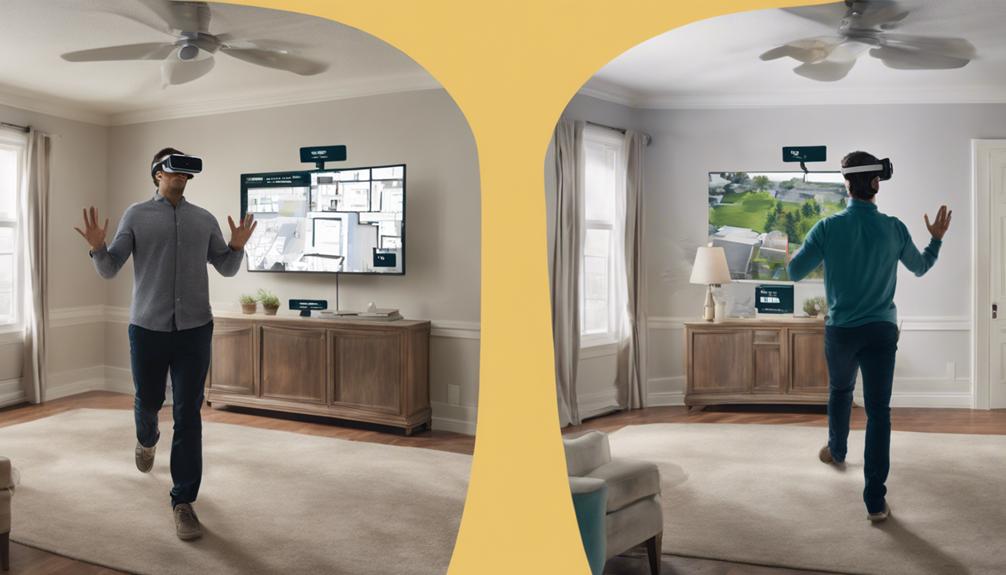
Virtual reality technology is revolutionizing the real estate industry by offering significant cost savings. By leveraging VR, agents and buyers can reduce travel expenses and minimize physical visits to properties. This shift to virtual property tours not only saves time and money but also enhances the overall buying experience.
Reduced Travel Expenses
Homebuyers and real estate agents alike can breathe a collective sigh of relief as the need for frequent, costly site visits becomes a thing of the past. Virtual reality technology is revolutionizing the real estate industry by reducing travel expenses associated with property viewings. This cost savings is a significant advantage for all parties involved.
With VR, homebuyers can explore properties remotely, eliminating the need for multiple site visits. This reduction in travel expenses can be substantial, and the benefits are twofold. Not only do homebuyers save on transportation costs, but they also save time that would have been spent on travel.
Here are three ways VR reduces travel expenses:
- Fewer flights and hotel stays: With VR, out-of-town homebuyers can explore properties without incurring the cost of flights and hotel stays.
- Less fuel consumption: Reduced travel means less fuel consumption, resulting in cost savings and a reduced carbon footprint.
- Lower transportation costs: Homebuyers and agents save on transportation costs, such as gas, tolls, and parking fees.
Virtual Property Tours
In addition to virtual property tours, real estate agents and property owners can create immersive, interactive experiences that save time and money by reducing the need for physical property visits. These virtual tours allow potential buyers to explore properties remotely, reducing the need for multiple physical visits. This results in significant cost savings for both agents and clients. Agents no longer need to spend hours driving clients to multiple properties, and clients don't need to take time off work to view properties. Additionally, virtual property tours enable agents to showcase properties to a global audience, increasing their reach and potential client base. This is particularly beneficial for international buyers or those relocating to a new city. By leveraging virtual property tours, agents can attract more clients, reduce costs, and increase sales. Furthermore, virtual tours can be easily shared on social media, websites, and email, making it easier to market properties and attract potential buyers.
Minimizing Physical Visits
By reducing the need for physical property visits, real estate agents can save a significant amount of time, money, and resources that would've been spent on transportation, fuel, and other logistics. This is especially true for out-of-town clients or those with busy schedules, who might not have the time or ability to physically visit a property. With virtual reality, agents can minimize the number of physical visits, reducing the overall cost of showcasing properties.
Here are some key benefits of minimizing physical visits with VR:
- Reduced travel time: Agents and clients can avoid spending hours driving to and from properties, freeing up time for more important tasks.
- Lower transportation costs: With fewer physical visits, agents and clients can save on fuel, tolls, and parking fees.
- Increased efficiency: By minimizing physical visits, agents can focus on higher-value tasks, such as closing deals and providing exceptional customer service.
Enhanced Listing Presentations
Virtual reality technology revolutionizes the real estate industry by providing enhanced listing presentations that allow potential buyers to explore properties remotely and interactively. This innovative approach enables real estate agents to showcase properties in a more immersive and engaging way, setting them apart from traditional 2D listings. With VR, buyers can navigate through properties at their own pace, exploring every nook and cranny, and getting a true sense of the space.
Enhanced listing presentations also provide buyers with a more accurate representation of the property, reducing the likelihood of misunderstandings and miscommunications. Agents can highlight key features and amenities, providing buyers with a richer understanding of the property's layout, design, and condition. This, in turn, helps to build trust and confidence between agents and buyers, leading to more informed purchasing decisions.
Moreover, VR listings can be easily shared and accessed online, allowing buyers to explore properties from anywhere in the world. This increased accessibility can lead to a wider reach and more inquiries, ultimately driving more sales and revenue for agents and sellers. By leveraging VR technology, real estate professionals can stay ahead of the curve, providing a competitive edge in a crowded market.
Virtual Staging and Decor

In the world of real estate, staging a property to showcase its full potential has always been an essential aspect of the selling process, and now, virtual staging and decor are taking this concept to the next level. Traditionally, staging involved physically furnishing and decorating a property to appeal to potential buyers. However, with virtual reality technology, this process has become more efficient, cost-effective, and immersive.
Virtual staging and decor allow buyers to visualize a property's potential without the need for physical renovations or furnishings. This innovative approach enables buyers to explore different design options, furniture layouts, and decor styles, all from the comfort of their own homes. Sellers can showcase their property in various styles, appealing to a broader range of buyers.
Here are just a few ways virtual staging and decor are revolutionizing the real estate industry:
- Increased buyer engagement: Buyers can interact with a property in ways that were previously impossible, fostering a deeper connection with the space.
- Reduced costs: Virtual staging eliminates the need for physical renovations, furniture, and decor, resulting in significant cost savings for sellers.
- Enhanced visualization: Buyers can see a property's full potential, regardless of its current state, which can lead to increased interest and sales.
Remote Property Exploration
How can buyers truly experience a property from afar, before ever setting foot inside? This is where virtual reality (VR) technology comes into play, allowing potential buyers to remotely explore properties as if they were physically there. With VR, buyers can take a virtual tour of the property, exploring every nook and cranny, and getting a true sense of the layout and flow of the space.
| Feature | Benefit | Result |
|---|---|---|
| Virtual Walkthroughs | Buyers can explore properties remotely | Increased efficiency in the buying process |
| 360-Degree Views | Buyers get a true sense of the layout and flow | Improved buyer experience |
| Interactive Hotspots | Buyers can learn more about specific features | Enhanced engagement |
Remote property exploration has numerous benefits for both buyers and sellers. For buyers, it saves time and effort by allowing them to narrow down their search and focus on properties that truly fit their needs. For sellers, it increases the visibility of their property and attracts more qualified leads. With VR technology, buyers can explore properties at their own pace, 24/7, and from anywhere in the world. This revolutionizes the way properties are showcased and bought, making the entire process more efficient, convenient, and engaging.
Increased Buyer Engagement
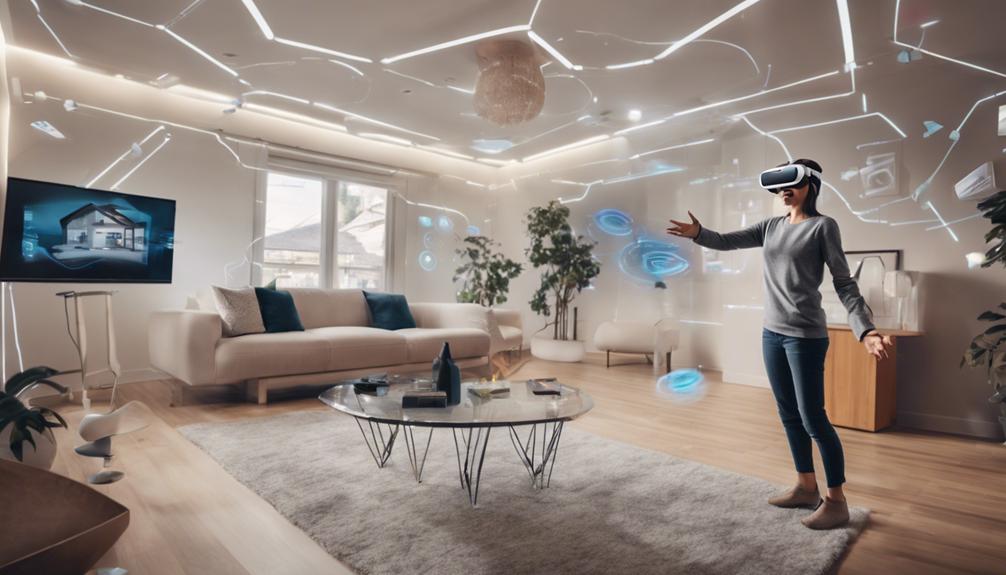
Virtual reality technology takes buyer engagement to the next level by providing an immersive property experience that simulates a physical walkthrough. Through interactive 3D tours, buyers can explore properties at their own pace, fostering a deeper emotional connection with the space. This connection, in turn, increases the likelihood of a sale, as buyers can better envision themselves living in the property.
Immersive Property Experience
By donning a VR headset, potential buyers can teleport into a property, exploring every nook and cranny as if they're physically there, fostering a deeper emotional connection with the space. This immersive experience allows buyers to form a stronger bond with the property, increasing the chances of making an offer. With VR, buyers can:
- Explore every room: Walk through the property, open cabinets, and inspect every detail without physically being there.
- Visualize furniture layout: Buyers can see how their furniture would fit in the space, making it easier to imagine themselves living there.
- Get a sense of natural light: Experience the property's natural light at different times of day, giving buyers a better understanding of the space.
Interactive 3D Tours
In addition to interactive 3D tours, buyers can explore properties at their own pace, allowing them to revisit areas of interest as many times as they want. This level of control and flexibility is particularly useful for out-of-town buyers or those with busy schedules, who can't physically visit the property multiple times. With interactive 3D tours, buyers can explore every nook and cranny, getting a better sense of the property's layout, natural light, and flow. They can also measure rooms, doors, and windows, and even take snapshots of their favorite features. This increased engagement leads to a more informed and confident buying decision. Additionally, interactive 3D tours can reduce the number of physical property visits, saving time and resources for both buyers and agents. By providing an immersive and interactive experience, real estate agents can attract more qualified leads, reduce the sales cycle, and ultimately close more deals.
Emotional Connection Formed
As buyers explore properties through immersive experiences, they form a deeper emotional connection with the space, fostering a sense of ownership and attachment. This emotional connection is a critical factor in the buying process, as it helps buyers envision themselves living in the property. Through virtual reality, buyers can explore every nook and cranny of a property, imagining their daily routines and making memories in the space.
This increased emotional connection leads to:
- Increased buyer engagement: Buyers are more likely to engage with properties that evoke emotions, leading to a higher level of interest and investment.
- Better decision-making: With a deeper emotional connection, buyers can make more informed decisions about a property, reducing the risk of buyer's remorse.
- Reduced uncertainty: Buyers can confidently make an offer on a property, knowing they've formed a genuine connection with the space.
Data Analytics and Insights
Virtual real estate platforms leverage data analytics and insights to optimize property showcasing, enabling agents to identify and target high-value leads more effectively. By analyzing user behavior and interaction with virtual property tours, agents can gain valuable insights into buyer preferences and interests. This data-driven approach allows them to tailor their marketing strategies, prioritize leads, and ultimately close deals more efficiently.
Moreover, data analytics provides agents with a deeper understanding of their target audience, including demographics, interests, and pain points. This information can be used to create targeted marketing campaigns, improve lead conversion rates, and enhance the overall customer experience. For instance, agents can identify which features of a property are most appealing to potential buyers, such as natural light or modern amenities, and highlight these aspects in their marketing efforts.
Furthermore, data analytics can help agents identify areas of improvement in their virtual property showcases. By analyzing user feedback and engagement metrics, agents can refine their virtual tours, improve navigation, and enhance overall user experience. By leveraging data analytics and insights, real estate agents can streamline their sales process, increase conversions, and stay ahead of the competition in today's digital marketplace.
Frequently Asked Questions
Can Virtual Reality Replace Traditional Property Viewings Entirely?
Can technology entirely replace human experiences? While virtual reality (VR) offers immersive experiences, it's unlikely to replace traditional property viewings entirely. People still crave human connections and tangible interactions with physical spaces. VR can supplement, but not replace, the emotional connection buyers form with a property. It's a tool, not a substitute, for human experience.
How Does VR Technology Ensure Accurate Property Representations?
She guarantees accurate property representations by utilizing VR technology that captures high-definition, 360-degree visuals of the property. It also employs advanced scanning techniques, such as LiDAR, to create precise 3D models. Additionally, VR technology can integrate real-time data and virtual staging to showcase a property's full potential. This guarantees that online viewers get an authentic experience, reducing the likelihood of misrepresentation and enhancing the overall buying decision.
Are Virtual Reality Headsets Required for a VR Experience?
Like a scene from a sci-fi movie, virtual reality (VR) whisks us away to new worlds. But, are VR headsets the only ticket to this fantastical domain? Not necessarily. While headsets provide an immersive experience, it's possible to have a VR experience without them. Web-based VR applications, for instance, allow users to navigate virtual spaces using their computers or mobile devices. So, while headsets enhance the experience, they're not the only way to enter the VR domain.
Can Virtual Reality Be Used for Commercial Property Showings?
They can use virtual reality to showcase commercial properties, allowing potential buyers to explore spaces remotely. This technology enables them to visualize layouts, amenities, and features without physically visiting the site. By providing an immersive experience, virtual reality can streamline the property viewing process, saving time and increasing the chances of finding the right fit. It's a valuable tool for commercial real estate agents and clients alike.
Is Virtual Reality Compatible With Existing Real Estate Software?
She explores whether virtual reality (VR) integrates seamlessly with existing real estate software. Fortunately, most VR platforms are designed to be compatible with popular software, allowing for a smooth shift. Many VR providers offer APIs and SDKs that enable easy integration with existing systems. This compatibility guarantees a hassle-free experience for real estate professionals, allowing them to focus on what matters most – showcasing properties in an immersive and engaging way.
