
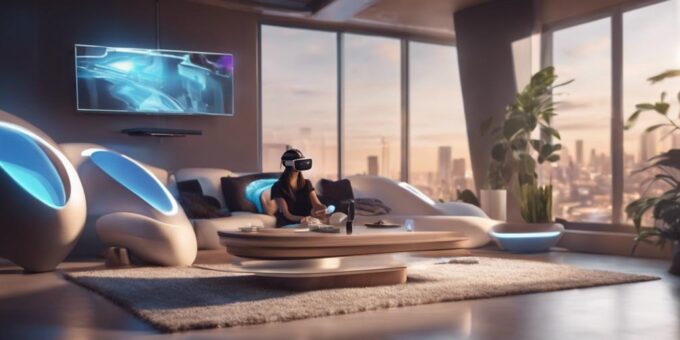
Virtual reality is revolutionizing the real estate industry by providing immersive experiences that empower buyers, enhance property showcasing, and streamline the buying process. It offers buyers the flexibility to explore properties at any time, increasing their sense of control and reducing the need for physical visits. Agents benefit from reduced costs, increased efficiency, and enhanced customer engagement. As the industry adopts VR, it's essential to understand its role in changing the way properties are showcased and sold. By embracing this technology, real estate professionals can stay ahead of the curve and reap the benefits of this innovative approach.
Enhancing the Buyer Experience
By leveraging immersive virtual reality experiences, real estate agents can greatly enhance the buyer experience, allowing prospective buyers to explore properties in unprecedented detail and comfort. This innovative approach enables buyers to virtually walk through properties, explore every nook and cranny, and get a true sense of the space without physically being there. This level of immersion empowers buyers to make more informed decisions, reducing the likelihood of costly mistakes and increasing overall satisfaction.
Virtual reality experiences also provide buyers with the freedom to explore properties at their own pace, 24/7, without the need for physical visits. This flexibility is particularly beneficial for buyers with busy schedules or those who are relocating from another location. By providing an immersive and interactive experience, real estate agents can build trust and establish a strong connection with potential buyers, ultimately driving sales and increasing customer loyalty.
Moreover, virtual reality experiences can be easily shared with family and friends, allowing buyers to gather feedback and opinions from loved ones. This collaborative approach enables buyers to make more confident decisions, reducing the stress and anxiety often associated with purchasing a property. By embracing virtual reality, real estate agents can revolutionize the buying experience, providing buyers with the freedom to explore, discover, and fall in love with their dream home.
Virtual Property Tours Advantages
Virtual property tours offer numerous advantages, including increased efficiency, reduced costs, and enhanced customer engagement. By allowing potential buyers to explore properties remotely, virtual tours save time and effort for both buyers and sellers. They eliminate the need for physical visits, which can be time-consuming and inconvenient. This convenience factor is particularly appealing to busy professionals, families, and individuals with mobility issues.
Moreover, virtual property tours provide an immersive experience, allowing buyers to get a better feel for the property's layout, design, and features. This results in more informed decisions, as buyers can explore every nook and cranny without physically being present. The interactive nature of virtual tours also enables buyers to explore properties at their own pace, taking as much time as needed to assess the property's condition and potential.
Furthermore, virtual property tours cater to a wider audience, including international buyers or those living in remote areas. They can explore properties from the comfort of their own homes, eliminating geographical barriers. This expanded reach can lead to increased property visibility, attracting more potential buyers and ultimately driving sales. By leveraging virtual property tours, real estate agents and sellers can showcase properties in a more engaging, efficient, and cost-effective manner, ultimately streamlining the buying process.
Cost Savings and Efficiency
Real estate agents and sellers can greatly reduce their expenses by leveraging virtual property tours, which eliminate the need for costly physical property visits and open houses. This reduction in expenses can be significant, as it saves on transportation costs, staging, and utilities. In addition, virtual tours reduce the risk of property damage and theft, which can occur when numerous visitors enter the property.
By using virtual reality, agents can also reduce the number of physical showings, which means they can save time and focus on other important tasks. This increased efficiency allows them to handle more clients and properties, ultimately leading to increased productivity and revenue. Additionally, virtual tours can be accessed at any time, allowing clients to view properties at their convenience, reducing the need for agents to be present during viewings.
In addition, virtual reality technology can help reduce the environmental impact of the real estate industry. With fewer physical showings, there is a decrease in carbon emissions from transportation, which contributes to a more sustainable future. Overall, the integration of virtual reality in real estate showcasing leads to significant cost savings and increased efficiency, providing agents and sellers with the freedom to focus on what matters most – finding the perfect property for their clients.
Increased Conversions and Sales
As agents and sellers reap the benefits of cost savings and increased efficiency, they can also expect a significant boost in conversions and sales, thanks to the immersive and engaging experience offered by virtual reality property tours. By allowing potential buyers to explore properties remotely, virtual reality technology increases the chances of converting leads into sales. This is because virtual reality experiences are more engaging and memorable than traditional 2D listings, allowing buyers to form a deeper emotional connection with properties.
Virtual reality property tours also reduce the number of physical property visits, which can be time-consuming and costly. This streamlined process enables agents to focus on high-quality leads, increasing the likelihood of successful sales. In addition, virtual reality technology provides agents with valuable insights into buyer behavior, allowing them to tailor their sales strategies and improve their conversion rates.
The increased conversions and sales resulting from virtual reality property tours can have a significant impact on an agent's or seller's bottom line. With more deals closed and more commissions earned, agents and sellers can enjoy greater financial freedom and flexibility. By embracing virtual reality technology, real estate professionals can stay ahead of the competition and thrive in a rapidly changing market.
The Future of Real Estate Marketing
They’re revolutionizing the industry with immersive experiences that will soon become the norm in real estate marketing. As virtual reality technology continues to advance, it’s changing the way properties are showcased, and buyers are interacting with listings. The future of real estate marketing lies in the ability to provide an immersive, interactive, and engaging experience that allows buyers to explore properties remotely. This shift not only enhances buyer engagement but also streamlines the decision-making process by offering detailed virtual tours from anywhere in the world. Additionally, marketing real estate with drones is becoming increasingly popular, providing stunning aerial views and unique perspectives that traditional photography cannot capture. By combining virtual reality and drone technology, real estate professionals can create a truly immersive experience that sets their listings apart.
Virtual reality is poised to become an essential tool for agents, brokers, and developers. It will enable them to showcase properties in a more engaging and cost-effective manner. With VR, agents can offer clients a more personalized and interactive experience, allowing them to explore properties at their own pace. This will lead to increased buyer satisfaction, reduced costs, and faster sales.
The future of real estate marketing also lies in the ability to collect valuable data and insights from VR experiences. Agents will be able to track user behavior, identify areas of interest, and tailor their marketing strategies accordingly. This data-driven approach will enable agents to create targeted marketing campaigns, increase conversions, and stay ahead of the competition.
As VR technology continues to evolve, it's likely that we'll see the emergence of new business models and revenue streams. Virtual reality is transforming the real estate industry, and those who adapt quickly will reap the rewards. The future of real estate marketing is immersive, interactive, and data-driven – and it's here to stay.
Frequently Asked Questions
Can Virtual Reality Replace In-Person Property Viewings Entirely?
She doubts virtual reality can entirely replace in-person property viewings. While VR offers an immersive experience, it can't replicate the sensory details of physical exploration. Buyers crave the tactile experience of walking through a property, noticing subtle details that VR might miss. In-person viewings allow for spontaneity, enabling buyers to react to a property's unique character, which VR can't fully convey.
How Do I Create a Virtual Reality Experience on a Budget?
She creates a virtual reality experience on a budget by prioritizing must-haves over nice-to-haves. She starts with a 360-degree camera, which costs under $200. Next, she uses free or low-cost software like Blender or Google Blocks to edit and enhance the footage. Finally, she distributes the experience through affordable platforms like YouTube VR or Facebook Watch, eliminating the need for expensive VR headsets.
Are Virtual Reality Headsets Required for a Virtual Tour?
She doesn't necessarily need virtual reality headsets for a virtual tour. Web-based platforms and mobile apps can provide immersive experiences without the need for headsets. However, headsets do offer a more immersive and interactive experience, especially for complex properties. It's essential to weigh the benefits against the cost and consider the target audience's preferences when deciding whether to use headsets for a virtual tour.
Can Virtual Reality Be Used for Commercial Property Listings?
She can use virtual reality for commercial property listings to give potential buyers an immersive experience. It allows them to explore spaces remotely, saving time and increasing engagement. With virtual reality, she can showcase amenities, layout, and features of commercial properties in a more interactive and engaging way, ultimately driving more sales and leases. This technology is particularly useful for out-of-town clients or those with busy schedules.
Are There Any Data Privacy Concerns With Virtual Reality in Real Estate?
She's aware that as virtual reality technology collects personal data, concerns arise about privacy. It's important to guarantee users' consent and anonymize data to prevent misuse. Additionally, she knows that VR devices can track users' physical movements, raising questions about biometric data collection. Implementing robust data protection measures and transparency in data handling are essential to alleviate these concerns and maintain trust.
