

As urban living costs soar, we're seeing the rise of co-living spaces that offer an affordable, community-driven alternative to traditional housing. These shared living communities cater to young professionals and digital nomads seeking flexibility, cost-savings, and opportunities to connect. We get private bedrooms but share communal spaces, amenities, and experiences, fostering a vibrant lifestyle that blends work, play, and social interaction. While co-living isn't without its drawbacks, the benefits of this model – from affordability to flexible living – make it an intriguing option worth exploring further.
Defining Co-Living Spaces

Co-living spaces are communal living arrangements where individuals share common areas and amenities, fostering a sense of community and collaboration. We’re seeing a rise in this model as people seek more freedom, flexibility, and connection in their living situations. The rise of coliving spaces is driven by urbanization, remote work trends, and the desire for affordability in high-cost cities. These spaces offer not only financial benefits but also opportunities for networking and shared experiences among like-minded individuals. As more people prioritize convenience and social engagement, the rise of coliving spaces is reshaping traditional housing models.
Unlike traditional apartments or dorms, co-living spaces encourage shared experiences and networking opportunities. Members typically have their own private bedrooms but share kitchens, living rooms, and other communal spaces. This setup promotes interaction and a sense of community among residents.
What's great about co-living is the ability to curate your living environment. Many co-living spaces host regular events and activities, allowing you to meet new people with similar interests and lifestyles. The shared amenities also make it easier to live affordably in desirable urban areas.
If you value freedom, community, and a dynamic living experience, co-living could be the solution you're seeking. It offers an alternative to the isolation of solo living or the rigidity of traditional housing arrangements.
Benefits of Co-Living
Shared amenities in co-living spaces allow us to live more affordably in desirable urban areas. Instead of each person covering the full cost of rent, utilities, and household items, we can split the expenses. This frees up funds for us to allocate towards experiences, travel, and pursuing our passions.
Beyond the financial benefits, co-living fosters a vibrant community. We can easily mingle with like-minded individuals who share our values and interests. This collaborative environment encourages us to learn from one another, build meaningful connections, and even collaborate on creative projects. The shared common spaces also grant us more flexibility – we can work remotely from the communal lounges or host guests without encroaching on our private bedrooms.
Ultimately, co-living empowers us to live more intentionally. By simplifying our lives and focusing on experiences over possessions, we cultivate the freedom to thrive. Co-living enables us to maximize our quality of life in the bustling city.
Target Audience and Demographic

Co-living spaces cater to a diverse demographic, from young professionals to digital nomads. We're often drawn to the community-focused lifestyle and affordability these shared living arrangements provide. Whether you're starting your career or living the freelance life, co-living could be a great fit if you value flexibility and connection.
Demographic Characteristics
According to industry reports, the primary target audience for co-living spaces tends to be young professionals and students, typically between the ages of 18 and 35. We're a generation that craves freedom, flexibility, and a sense of community. Co-living spaces offer us just that – the ability to live, work, and socialize all within the same vibrant, shared environment.
These spaces attract a diverse demographic, from recent graduates to remote workers and entrepreneurs. What unites us is a shared desire for a more connected, enriching lifestyle. We value experiences over possessions and cherish the opportunity to collaborate, learn, and grow alongside our fellow residents.
The communal nature of co-living appeals to our social nature, allowing us to forge meaningful connections and cultivate a supportive network. At the same time, we still enjoy the privacy of our own fully-furnished private suites, striking a balance between community and personal space.
Lifestyle Preferences
We're drawn to co-living spaces for their ability to cater to our lifestyle preferences, offering the perfect blend of community and privacy. As young professionals and students, we value the flexibility to work, live, and socialize all within a vibrant, shared environment. Co-living's communal nature appeals to our social nature, allowing us to forge meaningful connections while still enjoying the privacy of our own personal spaces.
We're a generation that craves independence and the freedom to craft our own schedules. Co-living spaces empower us to do just that, with amenities and activities that cater to our on-the-go lifestyles. Whether it's the ability to work remotely from a co-working area or the opportunity to attend community events, these spaces give us the autonomy to live life on our own terms. Ultimately, co-living provides us with the perfect balance – the social interaction we crave combined with the personal space we need to thrive.
Affordability Considerations
Affordability is a key consideration when exploring co-living spaces, as the target audience and demographic often include young professionals and students with limited budgets. Fortunately, co-living can provide a more cost-effective housing solution compared to traditional apartment rentals, with shared amenities and communal living reducing individual expenses.
| Expense | Traditional Rental | Co-Living |
|---|---|---|
| Rent | $$$$ | $$ |
| Utilities | $$$$ | $$ |
| Furnishings | $$$$ | $ |
| Amenities | $$$$ | $ |
We're able to enjoy modern, fully-furnished living spaces, access to shared amenities like fitness centers and coworking areas, and a vibrant community – all at a fraction of the cost of renting a traditional apartment. The flexibility and freedom of co-living also appeals to those seeking an affordable lifestyle that fits their needs and budget.
Amenities and Shared Spaces
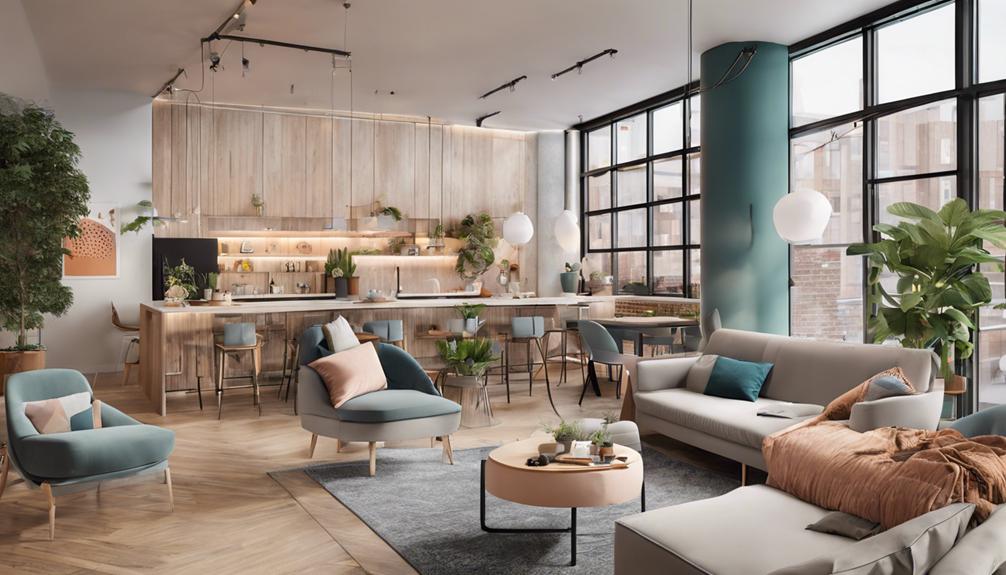
In a co-living space, we'll find an array of communal living areas that encourage social interaction. These shared amenity features may include lounges, game rooms, fitness centers, and even rooftop decks. Additionally, we'll often spot collaborative work spaces designed to foster productivity and community among residents.
Communal Living Areas
Designed to foster community and collaboration, co-living spaces often feature an array of shared amenities and communal areas that cater to residents' diverse needs and interests. We're talking about shared lounges, cozy libraries, and fully-equipped kitchens – perfect for whipping up meals together. Many spaces even have game rooms, fitness centers, and outdoor green spaces where we can socialize, exercise, and unwind.
What really sets co-living apart, though, is the emphasis on fostering connections. Communal living areas are thoughtfully designed to encourage interaction, whether it's through weekly potlucks, game nights, or workshops. This collaborative spirit extends to shared responsibilities too, like cleaning common areas or organizing community events. It's all about striking the right balance between privacy and community.
At the end of the day, these communal spaces are the heart of the co-living experience, giving us the freedom to live independently while also nurturing meaningful relationships. It's a lifestyle that celebrates both individuality and togetherness.
Shared Amenity Features
Beyond the communal living areas, co-living spaces offer an array of shared amenities that cater to residents' diverse needs and interests. We're talking about fully-equipped gyms, serene meditation rooms, and creative studios where we can express our inner artists. Need to get some work done? No problem – these spaces boast inviting co-working lounges with all the tech essentials we need.
But it doesn't stop there. We can socialize and unwind in the communal lounges, game rooms, and outdoor terraces. And when we're craving a home-cooked meal, the shared kitchens are at our fingertips. The best part? We don't have to worry about maintaining or cleaning these amenities – the co-living staff takes care of it all.
These shared features foster a sense of community and convenience that's hard to find elsewhere. It's the ultimate freedom – we get to enjoy luxury amenities without the hassle of ownership. Welcome to the future of modern living!
Collaborative Work Spaces
Coworking lounges within co-living spaces enable us to smoothly shift between our personal and professional lives, fostering a harmonious work-life balance. We're free to tackle tasks in a modern, productivity-driven environment, then unwind in the comforts of our private suite. These collaborative work spaces offer the best of both worlds – the focus and energy of a professional office, paired with the laid-back vibe and amenities of home.
We're no longer constrained by the rigid confines of a traditional workplace. Instead, we can seamlessly switch between focused work sessions and casual conversation with like-minded residents. Brainstorming with neighbors, bouncing ideas off each other, and cultivating a tight-knit community – it all happens organically within these vibrant, flexible workspaces. Our productivity soars as we harness the power of collaboration, while still preserving our independence and personal freedom. Co-living gives us the tools to thrive, both professionally and personally, under one roof.
Considerations and Drawbacks
While co-living spaces offer a unique living experience, they come with their own set of considerations and drawbacks that we must weigh carefully. For starters, the lack of privacy can be a significant issue, as we often share common areas and even bedrooms with strangers. This can lead to conflicts and tension, especially for those who value their personal space. Additionally, the cost-saving aspect of co-living can sometimes come at the expense of quality, with shared amenities and accommodations that may not meet our standards.
Furthermore, we must consider the following:
- The transient nature of co-living communities, where residents come and go, can make it challenging to establish a sense of stability and belonging.
- The shared responsibilities, such as cleaning and maintaining the common areas, can be a source of disagreement and added stress.
- The lack of control over our living environment, as we often have to adhere to the rules and guidelines set by the co-living provider, may not align with our desired level of freedom.
Ultimately, while co-living spaces offer an intriguing and potentially cost-effective option, we must carefully evaluate whether the benefits outweigh the drawbacks for our individual needs and preferences.
The Future of Co-Living
As the co-living trend continues to evolve, we can expect to see a growing emphasis on customization and personalization within these shared living spaces. The future of co-living will cater to residents' unique needs and preferences, moving beyond the one-size-fits-all model. We'll likely see more opportunities for residents to personalize their living quarters, whether it's through flexible furnishings, modular designs, or the ability to create custom layouts.
Moreover, advanced technological integration will be a hallmark of tomorrow's co-living communities. Seamless smart home features, app-based management, and cutting-edge communal amenities will empower residents to truly customize their living experience. This level of control and freedom will be a major draw for those seeking an alternative to the traditional rental market.
As co-living continues to evolve, we expect to see a surge in specialized offerings, catering to the diverse needs and lifestyles of residents. The future is bright for those seeking a more flexible, tailored, and empowered approach to urban living.
Frequently Asked Questions
What Is the Cost of Co-Living Compared to Traditional Housing?
We've found that the cost of co-living spaces is often more affordable than traditional housing options. Rather than being saddled with a hefty mortgage or astronomical rent, we can enjoy the flexibility and communal benefits of co-living for a fraction of the price. What's more, the shared amenities and resources in these spaces help us cut costs even further. It's a win-win situation that allows us to live life on our own terms.
How Do I Find a Reputable Co-Living Provider in My Area?
To find a reputable co-living provider in our area, we'll want to do some research. We can start by checking online directories and reviews to see what options are available. It's also a good idea to reach out to local housing organizations or co-living communities directly to get a sense of their offerings and reputation. With a little digging, we should be able to find a co-living space that fits our needs and budget.
Can I Customize My Living Space in a Co-Living Arrangement?
We can't even begin to describe the sheer magnitude of customization options available in co-living arrangements! It's almost as if the sky's the limit when it comes to personalizin' your livin' space. From bold wall colors to funky furniture, we're talkin' a whole new level of self-expression. And the best part? You get to call all the shots without any of the hassle of homeownership. Freedom, baby – that's what co-livin' is all about!
How Does Co-Living Impact My Privacy and Personal Life?
In a co-living arrangement, we've got to be mindful that our privacy and personal life can be impacted. While the shared spaces offer opportunities for community, we'll need to set clear boundaries and communicate our needs. It's important we find a balance between enjoying the perks of co-living and maintaining our individual autonomy. With some thoughtful planning, we can make the most of this lifestyle while preserving our personal space and freedom.
Are There Any Tax Implications or Financial Benefits of Co-Living?
We've found that co-living can offer some appealing tax benefits and financial advantages. By sharing living spaces and expenses, we can often save on rent, utilities, and other costs. Additionally, some co-living communities provide access to shared amenities that would be too expensive for individuals to afford alone. While the tax implications can vary, co-living may allow us to take deductions for certain shared household expenses. Ultimately, the financial perks of co-living can make urban living more accessible and affordable.
