
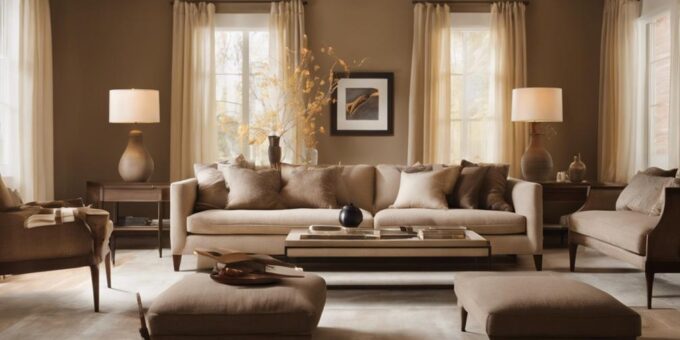
Proper lighting is an essential aspect of creating a functional, comfortable, and healthy living space, as it has a profound impact on ambiance, mood, and overall well-being. Well-designed lighting influences ambiance and mood, with different lighting levels evoking distinct emotional responses. Task-oriented lighting enables efficient task performance, while natural light maximization strategies can create a healthier and sustainable living environment. Effective lighting strategies can banish shadows and darkness, and layered lighting combines multiple light sources for functionality. By exploring the importance of proper lighting, you'll discover how to create a space that not only looks beautiful but also supports your overall health and well-being.
Lighting for Ambiance and Mood
A well-designed lighting scheme can dramatically influence the ambiance and mood of a space, with different lighting levels and types evoking distinct emotional responses and setting the tone for various activities and interactions. By thoughtfully pondering lighting fixtures and placement, homeowners can create an atmosphere that promotes relaxation, energizes, or inspires social interaction.
For example, warm, soft lighting can create a cozy and intimate atmosphere, perfect for a relaxing evening or a romantic dinner. In contrast, bright, cool lighting can stimulate energy and focus, making it ideal for home offices or workout spaces. Dimmable lighting allows for flexibility, enabling homeowners to adjust the ambiance according to their needs and moods.
When designing a lighting scheme, it's essential to contemplate the purpose of each room and the desired mood. By doing so, homeowners can create a space that not only looks beautiful but also supports their well-being and enhances their daily lives. By thoughtfully selecting lighting fixtures and placement, homeowners can craft a space that nurtures their emotional and psychological needs.
Task-Oriented Lighting Essentials
Task-oriented lighting is a vital aspect of proper lighting in the home, as it enables individuals to perform specific tasks efficiently and safely. To achieve the best task-oriented lighting, it is essential to incorporate ambient light sources, focused task lighting, and layered lighting effects. By balancing these elements, homeowners can create an environment that is conducive to productivity and comfort.
Ambient Light Sources
While natural light is ideal, ambient light sources are essential for filling in the gaps and providing overall illumination, particularly in areas where task-oriented lighting is imperative. Ambient light sources create a warm and inviting atmosphere, making a space feel more welcoming and comfortable. In areas where task-oriented lighting is essential, such as in kitchens and living rooms, ambient light sources help to reduce harsh shadows and create a sense of balance.
For example, table lamps, floor lamps, or ceiling fixtures can provide soft, gentle light that complements task-oriented lighting. This soft, ambient glow can help to create a sense of relaxation and calm, making it easier to focus on tasks at hand. By incorporating ambient light sources into your lighting design, you can create a harmonious balance between task-oriented and ambient lighting, resulting in a more functional and comfortable living space.
Focused Task Lighting
In areas where specific activities occur, such as reading, cooking, or working, focused task lighting is vital to provide the necessary illumination and reduce eye strain. This type of lighting is designed to illuminate a particular area or task, making it easier to perform the activity at hand.
Task-oriented lighting is particularly important in areas where detailed work is being performed, such as a home office or kitchen. By providing a concentrated source of light, task lighting helps to reduce eye fatigue and improve visibility.
Here are some essential considerations for task lighting:
- Directional lighting: Make sure that the light source is directed specifically at the task area to minimize glare and reflections.
- Lumen output: Choose a light fixture with a suitable lumen output to provide adequate illumination for the task.
- Color temperature: Select a light with a color temperature that is suitable for the task, such as a cooler tone for tasks that require attention to detail.
- Adjustability: Opt for a light fixture that is adjustable, allowing the user to direct the light exactly where it is needed.
Layered Lighting Effects
As a fundamental principle of effective lighting design, layered lighting effects involve combining multiple light sources to create a visually appealing and functional environment that supports various tasks and activities. This approach recognizes that different tasks require different lighting conditions, and that a single light source cannot provide adequate illumination for all situations. By layering light sources, homeowners can create a flexible lighting system that adapts to changing needs.
In a layered lighting design, ambient lighting provides overall illumination, task lighting focuses on specific areas, and accent lighting highlights particular features or objects. This combination of light sources creates a dynamic and inviting atmosphere, making it easier to perform tasks, relax, and socialize. Additionally, layered lighting effects can also enhance the aesthetic appeal of a space, making it more welcoming and comfortable for occupants. By incorporating layered lighting into their homes, individuals can create a functional, safe, and enjoyable living environment that supports their daily lives.
Natural Light Maximization Strategies
By incorporating thoughtful design elements and clever styling, homeowners can effectively harness and maximize natural light in their living spaces. This not only enhances the ambiance and aesthetic appeal of a room but also contributes to a healthier and more sustainable living environment. Strategic placement of mirrors and light-colored furnishings can help reflect sunlight, making a space feel brighter and more open. Additionally, opting for sheer curtains instead of heavy drapes allows for better light penetration while maintaining privacy. Incorporating feng shui tips for bedrooms, such as positioning the bed to optimize energy flow and using calming color palettes, can further enhance the room’s balance and tranquility.
To achieve best natural light maximization, consider the following strategies:
- Orient furniture wisely: Place furniture away from windows to allow natural light to flow freely into the room.
- Select light-colored finishes: Use light-colored paints, flooring, and countertops to reflect natural light and amplify its effects.
- Minimize window obstructions: Keep windows clear of clutter and obstructions to secure unobstructed natural light flow.
- Install skylights or larger windows: Consider installing skylights or larger windows to increase the amount of natural light entering the room.
Overcoming Shadows and Darkness
When it comes to overcoming shadows and darkness in the home, effective lighting strategies are essential to creating a bright and inviting atmosphere. By addressing areas of darkness, homeowners can not only improve the aesthetic appeal of their space but also enhance its functionality. By exploring techniques to banish dark corners, eliminate unwanted shadows, and brighten hidden spaces, homeowners can successfully illuminate every area of their home.
Banishing Dark Corners Forever
Every well-designed lighting plan begins with a thorough understanding of the areas in a room that require illumination, particularly those notorious dark corners that can make a space feel cramped and unwelcoming. By identifying these areas, you can strategically place light sources to banish shadows and create a more open and inviting atmosphere.
To effectively illuminate dark corners, consider the following strategies:
- Install corner lamps: Place lamps in corners to create pools of light that eliminate shadows and make the space feel more expansive.
- Use wall sconces: Mount wall sconces near corners to provide soft, indirect light that reduces shadows and creates a sense of warmth.
- Add under-cabinet lighting: In kitchens and bathrooms, under-cabinet lighting can help eliminate dark corners and create a sense of brightness.
- Incorporate floor lamps: Strategically place floor lamps in corners to create a sense of depth and visual interest.
Eliminating Unwanted Shadows Now
Generally, unwanted shadows can be overcome by adopting a strategic approach to lighting design that prioritizes the placement of light sources in areas where darkness tends to congregate. This approach guarantees that light is distributed evenly, reducing the likelihood of shadows forming. One effective way to achieve this is by layering light sources, combining overhead lighting with table lamps or floor lamps to create a balanced lighting scheme.
To better understand how to eliminate unwanted shadows, consider the following:
| Area | Lighting Solution | Effect |
|---|---|---|
| Living Room | Table lamps on side tables | Softens shadows on walls and furniture |
| Kitchen | Under-cabinet lighting | Illuminates countertops, reducing shadows |
| Hallway | Sconce lighting | Eliminates dark pockets on walls |
Brightening Up Hidden Spaces
In areas where natural light is scarce, such as basements, attics, or closets, thoughtful lighting design can transform once-dreary spaces into functional and inviting areas. By incorporating intentional lighting solutions, these hidden spaces can be revitalized, increasing their functionality and overall appeal.
To brighten up these hidden spaces, consider the following strategies:
- Install task lighting: Add under-cabinet lighting or shelf lighting to create pools of light where needed, making it easier to navigate and perform tasks.
- Use wall sconces: Strategically placed wall sconces can add ambient light, creating a warm and welcoming atmosphere.
- Incorporate LED strips: Flexible LED strips can be placed under stairs, in cabinets, or along shelves to create a modern and sleek look.
- Add table lamps: Place table lamps in corners or against walls to create a cozy and inviting ambiance.
Health Benefits of Proper Lighting
How does the quality of lighting in your home impact your physical and mental well-being? The answer lies in the profound effects it has on our circadian rhythms, mood, and overall health. Proper lighting has been shown to regulate our internal body clock, influencing the production of melatonin, a hormone responsible for inducing sleep. Inadequate lighting, on the other hand, can lead to sleep disorders, fatigue, and decreased productivity. Additionally, lighting affects our mental health by influencing serotonin levels, which play an important role in mood regulation. Insufficient lighting has been linked to increased risk of depression, anxiety, and seasonal affective disorder. What's more, proper lighting can also reduce eye strain, headaches, and other physical discomforts. By incorporating proper lighting into our homes, we can notably improve our overall health and well-being, leading to a better quality of life. By making informed decisions about our lighting choices, we can create a healthier, happier, and more comfortable living environment.
Energy Efficiency in Lighting
As we aim to create a healthier and more comfortable living environment through proper lighting, it is equally important to contemplate the energy efficiency of our lighting choices to minimize the environmental impact and reduce energy consumption. By selecting energy-efficient lighting options, we can greatly reduce our carbon footprint and contribute to a more sustainable future.
Some key considerations for energy-efficient lighting include:
- LED Lighting: LED bulbs use considerably less energy than traditional incandescent bulbs and can last up to 25 times longer.
- Smart Lighting: Smart lighting systems can be programmed to turn off or dim when not in use, reducing energy consumption.
- Task Lighting: Focusing lighting on specific tasks or areas reduces the need for overall ambient lighting, minimizing energy waste.
- Energy Star Certification: Look for lighting products with the Energy Star certification, ensuring they meet energy efficiency standards set by the U.S. Environmental Protection Agency.
Designing With Layers of Light
Proper lighting design involves the strategic placement of multiple light sources, collectively known as layers of light, to create a visually appealing and functional environment. This concept is essential in creating a space that is both aesthetically pleasing and functional. A well-designed lighting plan incorporates multiple layers of light, each serving a specific purpose. Ambient lighting provides overall illumination, task lighting focuses on specific areas, and accent lighting highlights particular features.
Frequently Asked Questions
Can I Use Smart Light Bulbs With Traditional Dimmer Switches?
Just as a maestro expertly blends instruments to create harmony, smart light bulbs and traditional dimmer switches can harmonize, but with caution. Using smart bulbs with traditional dimmers can be likened to pairing a Stradivarius with a novice musician – the outcome is uncertain. Some smart bulbs can operate with traditional dimmers, but compatibility issues may arise, leading to flickering or complete bulb failure. It's crucial to research the specific compatibility of your smart bulb and dimmer switch to guarantee a symphony of light.
How Often Should I Replace Light Bulbs in My Home?
The frequency of replacing light bulbs in your home depends on various factors, including the type of bulb, usage, and quality. Incandescent bulbs typically last 1,000 to 2,000 hours, while halogen bulbs can last up to 2,000 hours. LED bulbs can last up to 25,000 hours or more. Replacing bulbs every 6-12 months can maintain peak brightness and energy efficiency.
Can I Install Lighting Fixtures Myself or Do I Need a Professional?
Installing lighting fixtures can be a DIY-friendly task, but it's important to assess your electrical knowledge and the complexity of the project. If you're comfortable with wiring and local building codes, you may be able to install fixtures yourself. However, if you're unsure or dealing with high-voltage or custom installations, it's recommended to hire a licensed electrician to guarantee safety and compliance.
Are LED Light Bulbs Worth the Higher Upfront Cost?
Like a master chef seasoning a dish, the right lighting ingredients can elevate the ambiance of a room. Are LED light bulbs worth the higher upfront cost? Yes, they are. LEDs use much less energy, lasting up to 25 times longer than traditional bulbs, reducing maintenance and replacement costs. While the initial investment may seem steep, the long-term benefits and energy savings make LEDs a wise investment for homeowners seeking efficiency and sustainability.
Can I Use Outdoor Lighting Fixtures Indoors and Vice Versa?
When considering the use of outdoor lighting fixtures indoors or vice versa, it's important to prioritize safety and functionality. Outdoor fixtures are designed to withstand harsh weather conditions and may not be suitable for indoor use, while indoor fixtures may not be able to withstand outdoor elements. Additionally, fixtures may have different lumen outputs, color temperatures, and certifications, making it essential to choose fixtures that meet the specific requirements of their intended environment.
