
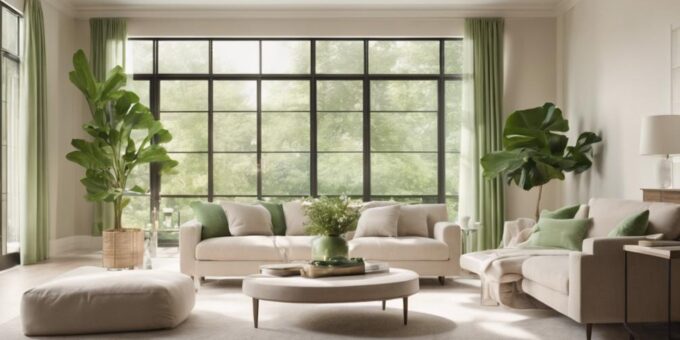
We're about to transform our homes into stunning showpieces that capture buyers' hearts, and it starts with a strategic staging plan. First, we'll clear out clutter, address necessary repairs, and give our walls a fresh coat of neutral paint. We'll also replace outdated lighting fixtures and remove heavy drapery to create a sense of openness. Next, we'll declutter and depersonalize our space, simplifying our belongings and storing away personal items. By creating a neutral color palette and rearranging our furniture, we'll create a sense of flow and coziness. And that's just the beginning – we'll uncover more secrets to making our home irresistible to buyers.
Prepare Your Home for Staging
We start by clearing out the clutter, addressing the challenging task of decluttering and depersonalizing our space to create a vital canvas that appeals to potential buyers. This essential step allows us to transform our home into a welcoming and attractive space that buyers can envision themselves living in.
Next, we take care of any necessary repairs, ensuring that everything is in working order. From leaky faucets to creaky doors, we fix them all to create a sense of stability and well-being. We also give our home a fresh coat of paint, choosing neutral colors that will appeal to the widest range of buyers.
Lighting plays a significant role in creating ambiance, so we make sure to replace any harsh or outdated fixtures with new ones that cast a warm and inviting glow. We also take down any heavy drapery or dark window treatments, allowing natural light to flood in and make our space feel brighter and more spacious. By taking these steps, we're able to create a clean slate that's ready for staging. Our goal is to create an atmosphere that's both beautiful and functional, allowing potential buyers to imagine themselves living in our home.
Declutter and Depersonalize Space
As we prepare our home for sale, we need to tackle the challenging task of decluttering and depersonalizing our space. We'll start by clearing out the clutter that's accumulated over the years, making our home feel cramped and chaotic. By neutralizing personal touches and simplifying our surroundings, we'll create a blank canvas that allows potential buyers to envision themselves living in our home.
Clear Out the Clutter
Let’s get started by tackling the clutter that’s accumulated in every nook and cranny of our home. It’s astonishing how quickly clutter can build up, making our spaces feel cramped and overwhelming. To attract potential buyers, we need to create a sense of openness and flow. We’ll start by gathering boxes and bags to sort items into three piles: keep, donate/sell, and discard. Be ruthless – if we haven’t used it in the past year, it’s likely we won’t miss it. A clutter-free space allows buyers to envision their own belongings in the home, making it more appealing. As we prepare your home for sale, we should also focus on organizing closets, countertops, and storage areas to highlight the available space. A well-organized home gives the impression of cleanliness and care, increasing its overall value.
Next, we'll tackle each room, removing anything that's not essential to the space. We'll sort through closets, cupboards, and shelves, getting rid of items that are broken, outdated, or no longer serve a purpose. Don't forget about hidden areas like attics, basements, and garages – they can be major clutter culprits too. By clearing out the clutter, we'll make our home feel more spacious, modern, and inviting. This is our chance to create a fresh start and make our home shine for potential buyers.
Neutralize Personal Touches
By removing personal touches and decor, we can help potential buyers imagine themselves living in the space, rather than feeling like they're intruding on someone else's life. This doesn't mean erasing our personal style completely, but rather toning it down to create a neutral canvas for buyers to project their own visions.
Here are some areas to focus on:
- Family photos: Take down framed pictures and replace them with neutral artwork or mirrors to create a sense of brightness.
- Personal collections: Store away sentimental items, such as collectible figurines or decorative plates, to avoid distracting buyers.
- Bold decor: Replace bold, bright colors with neutral tones to create a calming atmosphere.
- Rugs and mats: Remove personalized doormats and replace them with neutral-colored rugs to create a sense of continuity.
- Personal items: Store away personal items, such as trophies, awards, or sentimental trinkets, to create a sense of neutrality.
Simplify and Streamline
We approach the challenging task of decluttering, sorting through our belongings to distinguish what's essential from what's merely sentimental, and stripping away the unnecessary to reveal a space that's both serene and inviting. This process isn't about getting rid of everything, but about creating a sense of calm and simplicity that allows potential buyers to envision themselves living in our home. We start by tackling clutter hotspots like countertops, shelves, and floors, removing anything that's broken, outdated, or no longer serves a purpose. Next, we turn our attention to furniture, rearranging pieces to create a sense of flow and openness. By simplifying our space, we're not only making it more attractive to buyers, but also making it easier for them to imagine themselves living there. As we declutter and depersonalize, we're creating a blank canvas that allows buyers to project their own style and preferences onto our home.
Create a Neutral Color Palette
As we prepare our home for sale, we need to think about the colors on our walls. We're not trying to make a personal statement; instead, we're creating a neutral backdrop that lets potential buyers envision themselves living here. By choosing calming color schemes, we'll help buyers focus on the space, not the decor.
Neutral Backdrop Essential
We'll start by stripping away bold, bright hues and replacing them with a soothing neutral color palette that lets buyers envision themselves in the space. This is important because a neutral backdrop allows potential buyers to imagine their own furniture, decor, and personal touches in the home. It's essential to create a blank canvas that appeals to the masses.
Here are some tips to achieve a neutral color palette:
- Paint walls a soft, creamy white or light gray to create a clean slate.
- Remove any bold or bright wallpaper and replace it with a neutral pattern or texture.
- Replace vibrant area rugs with neutral-toned ones that blend with the surroundings.
- Update bold or outdated fixtures with neutral, modern alternatives.
- Consider replacing bold-colored furniture with neutral pieces or covering them with neutral-hued slipcovers.
Calming Color Schemes
To create a neutral color palette, we're selecting calming color schemes that promote relaxation and serenity, allowing buyers to envision themselves in the space. By doing so, we're ensuring that our home's color palette doesn't distract from its best features. We're opting for a palette that's soft, soothing, and easy on the eyes.
| Color Scheme | Description | Effect on Buyers |
|---|---|---|
| Soft Gray | Calming, balanced, and serene | Creates a sense of calm, allowing buyers to focus on the space |
| Creamy Beige | Warm, inviting, and neutral | Makes rooms feel cozy and welcoming |
| Light Taupe | Earthy, natural, and calming | Brings a sense of comfort and tranquility |
| Soft Sage | Soothing, muted, and calming | Helps buyers envision themselves relaxing in the space |
Rearrange Furniture for Flow
We rearrange furniture to create a sense of flow, making it easy for potential buyers to navigate through our home. By doing so, we're creating an inviting atmosphere that encourages them to linger and explore every nook and cranny. The goal is to create a seamless flow from one room to the next, making it easy for buyers to imagine themselves living in the space.
To achieve this, we consider the following key factors:
- Remove clutter: Clear out any unnecessary items that can make a room feel cramped or overwhelming.
- Create a pathway: Arrange furniture to create a clear pathway through the room, avoiding narrow walkways or tight corners.
- Group furniture: Group furniture into conversational circles, making it easy for buyers to imagine socializing in the space.
- Balance the room: Balance the room by distributing the weight of the furniture and decor evenly, avoiding heavy or dark areas.
- Leave some breathing room: Don't overcrowd the room – leave some space for buyers to move around comfortably.
Add Decorative Touches Wisely
Now that we've created a sense of flow, it's time to add decorative touches that will make our space truly stand out to potential buyers. We want to create an emotional connection with buyers, making them imagine themselves living in our home. To do this, we'll add decorative elements that are both attractive and neutral, avoiding anything too personal or bold.
| Decorative Element | Why It Works | Tips |
|---|---|---|
| Plants | Add a touch of natural beauty and freshness | Choose low-maintenance plants like succulents or air plants |
| Throw Pillows | Add color and texture to furniture | Select neutral patterns and fabrics that complement our home's style |
| Artwork | Create a sense of sophistication and style | Opt for neutral or abstract pieces that appeal to a wide range of tastes |
When selecting decorative elements, we should keep in mind the style and era of our home. For example, if we have a modern home, we might choose sleek, minimalist decor. In a traditional or vintage home, we might opt for more ornate or antique pieces.
Highlight Best Features and Assets
By strategically highlighting our home's best features and assets, we're creating an opportunity to impress potential buyers and set our property apart from the competition. When we accentuate the positives, we're not only showcasing our home's unique selling points but also creating an emotional connection with potential buyers.
To effectively highlight our home's best features and assets, we should:
- Accentuate natural light: Open curtains and blinds to let natural light flood in, making our home feel brighter and more inviting.
- Showcase architectural details: Draw attention to unique architectural features such as high ceilings, crown molding, or built-in shelving.
- Highlight outdoor spaces: Create an inviting atmosphere in our outdoor areas by adding plants, lighting, and comfortable seating.
- Emphasize storage and organization: Organize closets and storage spaces to showcase our home's functionality and potential.
- Illuminate key features: Use spotlights or under-cabinet lighting to draw attention to features like built-in appliances or beautiful countertops.
Frequently Asked Questions
Can I Leave Family Photos and Personal Items on Display?
We're tempted to leave our family photos and personal items on display, making our space feel cozy and inviting. But, we must remember that potential buyers need to imagine themselves living in our home. Leaving personal items out can distract from the home's best features and make it harder for buyers to envision themselves there. We should remove or limit personal items to create a neutral atmosphere.
Will Staging My Home for Sale Increase Its Value?
As we polish the diamond of our home's potential, we wonder: will staging really increase its value? The answer is a resounding yes! According to the Real Estate Staging Association, staged homes sell for up to 10% more than their unstaged counterparts. By showcasing our home's best features, we're not just decorating – we're investing in its resale value.
Do I Need to Hire a Professional Home Stager?
Do we really need to hire a pro to stage our home? Honestly, it depends on our DIY skills and time. If we're short on both, hiring a professional home stager can be worth it. They'll bring a fresh eye and expertise to maximize our space. But if we're handy and have some flair, we can save money and stage it ourselves with some online research and elbow grease.
How Long Does the Home Staging Process Typically Take?
We've learned that a staggering 77% of buyers' agents say staging a home makes it easier for buyers to visualize themselves living there. Now, about the timeline: typically, the home staging process takes around 2-5 days, depending on the size of the property and the level of staging needed. We've seen it take as little as a day for a small condo or up to a week for a large, vacant home.
Will Home Staging Work for Older or Outdated Homes?
We've worked with plenty of older homes that needed some TLC. And we're here to tell you that home staging can absolutely work its magic on them! A well-executed staging plan can distract from outdated features, highlight the home's best assets, and help buyers envision themselves living there. It's all about emphasizing the home's potential and creating an emotional connection with buyers.
