
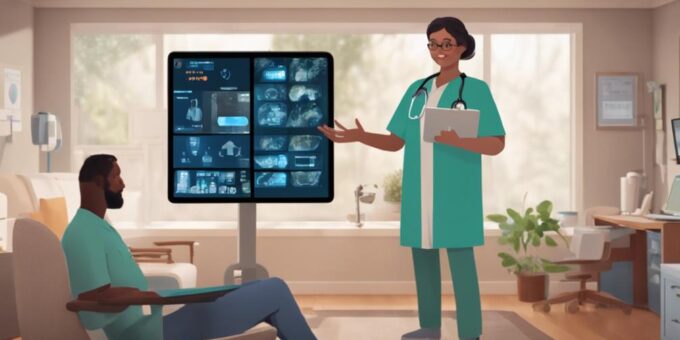
Telemedicine is revolutionizing home health care. We now have real-time data insights and wearable devices that empower patients and provide healthcare professionals with continuous monitoring. Patients can access top medical experts nationwide for specialized consultations, saving time and money. Telemedicine offers convenient, flexible services tailored to individual needs, bridging the gap between rural and urban areas. It’s also reducing hospital readmissions and improving mental health support. The transformative impact of telemedicine is clear – it’s redefining how we approach and deliver home-based healthcare. Curious to learn more about this exciting revolution? Let’s dive deeper. With advanced AI-driven diagnostics and remote therapy options, telemedicine in home health care is making personalized treatment more accessible than ever. This innovative approach enhances patient engagement, leading to better health outcomes and greater independence for individuals managing chronic conditions. As technology continues to evolve, telemedicine in home health care will play an even greater role in shaping the future of patient-centered care.
Enhancing Remote Patient Monitoring

With the advent of telemedicine, we've been able to enhance remote patient monitoring, providing healthcare professionals with real-time data and insights to better manage patient care from afar. By equipping patients with wearable devices and connected home health tools, we can continuously track important signs, medication adherence, and other key health indicators without requiring them to visit a clinic. This data is then securely transmitted to clinicians, who can spot trends, detect issues early, and adjust treatment plans accordingly.
We've found this approach empowers patients to take a more active role in their own wellbeing while reducing unnecessary trips to the doctor's office. Clinicians, in turn, can dedicate more time to high-risk cases and intervene proactively before small problems escalate. Overall, remote patient monitoring has enhanced the quality and efficiency of home healthcare, freeing up resources and giving patients greater freedom to manage their health on their own terms. As telemedicine continues to evolve, we're excited to see what other innovations will emerge to transform the delivery of care.
Improved Access to Specialty Care
Telemedicine's capabilities have greatly improved patients' access to specialty care, particularly for those living in rural or underserved areas. We can now connect individuals with top medical experts nationwide, enabling them to receive specialized consultations and treatments without having to travel long distances. This enhanced access means folks can get the care they need, when and where they need it, without the hassle and expense of commuting.
| Specialty Care Options | Pre-Telemedicine | With Telemedicine |
|---|---|---|
| Dermatology | Limited access | Nationwide experts |
| Mental Health | Scarce providers | Abundant choices |
| Neurology | Distant clinics | Virtual house calls |
| Cardiology | Infrequent visits | Real-time monitoring |
| Pediatrics | Sporadic services | Continuous support |
Cost Savings for Patients
We've seen how telemedicine can improve access to specialty care. Now, let's explore how it leads to cost savings for patients. By reducing travel expenses and decreasing appointment costs, telemedicine allows us to utilize healthcare resources more efficiently. This translates to significant financial benefits for patients seeking home health care.
Reduced Travel Expenses
Patients can save hundreds of dollars in travel expenses by leveraging telemedicine, eliminating the need to physically visit their healthcare providers. With telemedicine, we no longer have to commute to medical offices, pay for gas, or deal with the hassle of arranging transportation. Instead, we can simply log in to a secure video call and receive the care we need from the comfort of our own homes. This not only saves us money, but it also saves us time and reduces the stress of coordinating appointments around our busy schedules.
Furthermore, telemedicine opens up access to healthcare for those who live in remote or underserved areas, where in-person visits may be few and far between. By bringing the doctor to us, we can get the care we need without having to travel long distances or take time off work. This increased accessibility is a game-changer, empowering us to take charge of our health and wellness on our own terms.
Decreased Appointment Costs
Another significant cost-saving benefit of telemedicine is the reduced appointment fees. Oftentimes, in-person visits come with additional charges like facility fees or administrative costs, which can quickly add up. However, with telemedicine, we typically pay a flat rate for the virtual consultation, cutting down on these extraneous expenses.
Here are 4 ways telemedicine decreases our appointment costs:
- No travel expenses – We don't have to spend money on gas, parking, or public transportation to get to the doctor's office.
- Less time off work – Since telemedicine appointments are quicker and more convenient, we can often schedule them during our lunch breaks or before/after work, avoiding the need to take time off.
- No childcare costs – With in-person visits, we may have to pay for a sitter, but telemedicine allows us to consult our provider from home.
- Reduced copays – Many insurance plans charge lower copays for virtual visits compared to in-person appointments.
Efficient Resource Utilization
Beyond the reduced appointment fees, telemedicine also allows us to use healthcare resources more efficiently, leading to further cost savings for patients. No longer do we have to allocate precious time and fuel for commuting to and from healthcare facilities. Instead, we can receive high-quality care from the comfort of our own homes, minimizing disruption to our daily routines.
Moreover, telemedicine enables clinicians to monitor our conditions remotely, reducing the need for in-person visits. This streamlined approach not only saves us money but also frees up valuable appointment slots for those who truly require face-to-face consultations. By leveraging technology, we can maximize the reach and utilization of our healthcare system, ensuring everyone has access to the care they need, when they need it.
Ultimately, telemedicine empowers us to take control of our health while minimizing the financial burden. It's a win-win scenario that allows us to prioritize our well-being without sacrificing our time or budget.
Increased Convenience and Flexibility
Why, with telemedicine, can we now access home health care services more conveniently and flexibly than ever before? Gone are the days when we had to schedule rigid appointment times or trek to a clinic. Telemedicine has revolutionized how we receive care, putting us in the driver's seat.
Now, we can:
- Connect with our healthcare providers from the comfort of our homes, avoiding the hassle and expense of travel.
- Access care on our own schedules, choosing appointment times that suit our lifestyles rather than the provider's.
- Receive a wide range of services, from routine check-ups to specialized consultations, all through the convenience of a digital device.
- Enjoy the peace of mind that comes with receiving personalized care tailored to our unique needs, without the constraints of traditional brick-and-mortar facilities.
This newfound convenience and flexibility empower us to take a more active role in our health and well-being, aligning with our desire for freedom and control over our lives.
Bridging the Rural-Urban Healthcare Gap

Telemedicine has become an essential tool in bridging the healthcare gap between rural and urban communities. We've seen how it's empowering patients in remote areas to access quality care without the burden of long commutes or limited specialist options. With the click of a button, they can consult with medical professionals and receive the treatment they need, right from the comfort of their own homes.
This accessibility is particularly vital for the elderly, individuals with limited mobility, and those living in underserved regions. No longer are they forced to choose between their health and the challenges of traveling to faraway clinics. Telemedicine has put the power back in their hands, allowing them to take charge of their wellbeing on their own terms.
What's more, this technology has the potential to transform the way we approach chronic disease management, mental health support, and preventive care. By breaking down geographic barriers, we're building a more equitable healthcare system that caters to the diverse needs of all communities.
Enhancing Patient-Provider Communication
With telemedicine bridging the rural-urban healthcare gap, we're now exploring how it can enhance patient-provider communication. By fostering more personal and dynamic interactions, this technology empowers patients to actively engage in their care, leading to better health outcomes and stronger relationships with their medical teams.
Telemedicine allows us to:
- Participate in virtual consultations, where we can openly discuss our concerns and receive real-time feedback from our providers.
- Easily share data from home-monitoring devices, giving our doctors a more in-depth understanding of our health.
- Attend video-based therapy sessions, cultivating deeper connections with our mental health professionals.
- Access educational resources and support groups, empowering us to take a more proactive role in managing our conditions.
Reducing Hospital Readmission Rates

By leveraging telemedicine, we can effectively reduce hospital readmission rates. Through remote monitoring and timely interventions, this technology enables us to proactively manage chronic conditions, identify potential issues early, and guarantee a smooth shift from hospital to home. With telemedicine, patients can receive continuous care from the comfort of their own homes, eliminating the need for frequent trips back to the hospital.
This not only improves patient satisfaction and quality of life, but it also greatly lowers healthcare costs associated with readmissions. Clinicians can closely monitor key signs, medication adherence, and other important indicators, allowing them to intervene swiftly before a minor issue escalates. In addition, virtual consultations and remote therapy sessions empower patients to actively participate in their own care, fostering a sense of autonomy and responsibility.
Embracing telemedicine is a game-changer for home health, putting power back into the hands of individuals and reducing the burden on our overburdened healthcare system. Together, we can revolutionize post-hospital care and keep more people healthy, happy, and out of the hospital.
Addressing Mental Health Challenges
We're excited to explore how telemedicine is transforming mental healthcare. By offering remote access to therapy, we can improve mental wellbeing and provide essential support to those who may struggle to access in-person services. This shift towards virtual care holds immense potential to address pressing mental health challenges in home health settings.
Improving Mental Wellbeing
Telemedicine has transformed how we address mental health challenges, empowering individuals to prioritize their wellbeing from the comfort of their own homes. Gone are the days of lengthy commutes and impersonal clinic visits; now, we can access professional support at the click of a button, fostering a sense of convenience and control over our mental health journey.
Through telemedicine, we've opened up a world of possibilities:
- Increased accessibility: No longer are we limited by geographic barriers or transportation constraints. We can connect with licensed therapists and counselors, regardless of our location.
- Personalized care: Telemedicine allows for customized treatment plans that cater to our unique needs and preferences, ensuring a more tailored approach to our mental wellbeing.
- Reduced stigma: The privacy and discretion of virtual sessions encourage us to seek help without the fear of judgment or the need to navigate the complexities of in-person settings.
- Continuous support: With the flexibility of telemedicine, we can maintain ongoing communication and progress monitoring with our mental health providers, fostering a sense of empowerment and long-term commitment to our overall wellness.
Remote Therapy Access
One of the most significant benefits of remote therapy access is the increased convenience it provides, allowing us to seamlessly fit mental health support into our busy schedules. Gone are the days of juggling work, family, and appointments – now, we can connect with licensed professionals from the comfort of our own homes, or even on-the-go using our smartphones. This newfound flexibility empowers us to prioritize our well-being without sacrificing other commitments.
Moreover, remote therapy access has expanded the pool of available providers, giving us the freedom to find the perfect fit for our unique needs and preferences. Whether we prefer a therapist who specializes in a particular area or one who simply clicks with our personality, the options are limitless. This level of customization allows us to take charge of our mental health journey, crafting a tailored experience that truly resonates with us.
As we navigate the ever-evolving landscape of healthcare, the rise of remote therapy access stands as a beacon of progress, offering us the freedom to prioritize our mental well-being on our own terms.
Frequently Asked Questions
How Is Telemedicine Integrated With Existing Home Health Services?
We're integrating telemedicine seamlessly into our existing home health services, leveraging its power to enhance patient care and empower our clients. By blending remote consultations, real-time monitoring, and personalized guidance, we're delivering a tailored experience that puts patients in control of their own wellbeing. It's a transformation that's freeing both our clients and our caregivers, revealing new possibilities for more accessible, efficient, and personalized home health solutions.
What Are the Privacy and Security Considerations for Telemedicine?
Recognizing the importance of privacy and security when it comes to telemedicine. After all, our health information is deeply personal, and we deserve to have it protected. That's why robust encryption, secure platforms, and clear policies on data usage are essential. We won't compromise our well-being or autonomy – we'll demand the highest standards of privacy and security from any telemedicine provider. Our health is our own, and we won't settle for anything less than total confidentiality.
How Are Language and Cultural Barriers Addressed in Telemedicine?
We acknowledge that language and cultural barriers can pose significant challenges in telemedicine. To address these, we utilize translation services and enlist healthcare providers who speak the patient's native language. We also work towards educating patients on cultural norms and customs to promote mutual understanding. By customizing our approach, we guarantee that every individual receives the personalized care they deserve, regardless of linguistic or cultural differences.
What Are the Licensing and Regulatory Requirements for Telemedicine Providers?
We understand some may worry about the complex web of licensing and regulatory requirements for telemedicine providers. However, the truth is, we're dedicated to maneuvering through this landscape to guarantee our patients receive the care they deserve. By staying up-to-date on evolving state and federal regulations, we can advocate for your freedom to access quality healthcare from the comfort of home. That's the power of telemedicine – connecting you to providers who prioritize your wellbeing.
How Is Telemedicine Reimbursement Handled by Insurance Providers?
We've found that telemedicine reimbursement by insurance providers can be a complex and evolving landscape. While coverage policies vary, many insurers now provide some level of reimbursement for virtual visits. To maximize reimbursement, we recommend providers stay up-to-date on payer policies, use appropriate billing codes, and document visits thoroughly. By proactively managing this space, we can guarantee patients have access to the care they need through convenient telemedicine services.
