
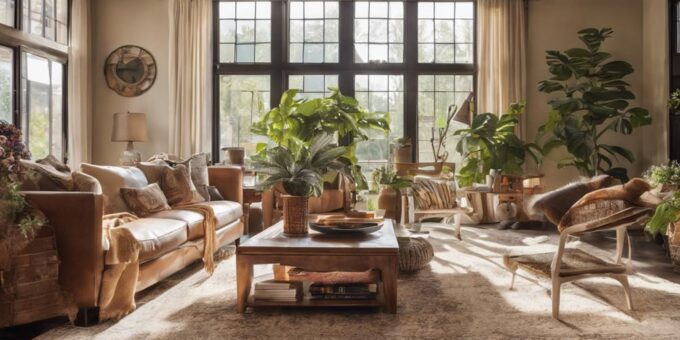
Selecting the right furniture for your living room requires a thoughtful and intentional approach that balances your personal style, the room's purpose, and its physical dimensions. Start by evaluating the room's dimensions, understanding your personal style, and defining the room's purpose. Choose a focal point piece, consider scale and proportion, and balance form and function. Select fabrics that are durable and stylish, and add accent pieces wisely. By considering these factors, you'll be well on your way to creating a cohesive and functional living space that reflects your unique personality and aesthetic. Discover how to bring it all together seamlessly.
Assessing the Room's Dimensions
Properly measuring the room's dimensions is an essential first step in selecting furniture, as it enables you to create a spatially aware layout that balances functionality with aesthetic appeal. This vital step helps you visualize the space and identify potential challenges, making sure that your furniture choices complement the room's proportions. To accurately assess the room's dimensions, take precise measurements of the length, width, and any obstacles, such as doorways, windows, or pillars. Record these measurements and use them to create a rough sketch or floor plan, allowing you to visualize the space and plan your furniture arrangement accordingly. By doing so, you can establish a harmonious and functional layout that caters to your specific needs and enhances the overall ambiance of the room. This attention to detail will ultimately guide your furniture selection, guaranteeing a cohesive and inviting living space that serves as a haven for relaxation and socialization.
Understanding Your Personal Style
Your personal style, shaped by individual tastes, lifestyle, and preferences, plays a significant role in determining the ideal furniture for your living room. It is essential to reflect on your style to create a cohesive and inviting space that reflects your personality. Consider your fashion sense, hobbies, and interests to identify patterns and themes that can guide your furniture selection.
Do you prefer classic and traditional or modern and trendy? Are you drawn to bold colors or soft pastels? Do you have a penchant for ornate details or clean lines? Answering these questions will help you define your personal style, which will, in turn, inform your furniture choices. For instance, if you have a flair for the dramatic, you may opt for statement pieces with bold patterns or bright colors. Conversely, if you prefer understated elegance, you may lean towards minimalist designs with neutral tones.
Understanding your personal style will enable you to make informed decisions when selecting furniture, ensuring that your living room is a reflection of your unique personality and aesthetic.
Defining the Room's Purpose
When selecting furniture for your living room, it is crucial to define the room's purpose to guarantee that the chosen pieces align with its intended use. Identifying the primary function of the space, whether it's relaxation, entertainment, or a combination of both, will greatly influence your furniture choices. By establishing the room's purpose, you can create a cohesive and functional space that meets your needs and enhances your daily life.
Identify Primary Use
To define the purpose of your living room, consider how you envision using the space, as this will greatly influence the type of furniture you ultimately select. Will it be a space for relaxation, entertainment, or a combination of both? Perhaps you envision a cozy reading nook or a vibrant social hub. Identifying the primary use of your living room will help you determine the essential furniture pieces and their layout.
If you plan to use the room for relaxation, you may prioritize comfortable seating and soft lighting. On the other hand, if you intend to host frequent gatherings, you may focus on creating a conversational circle with ample seating and tables for refreshments. Consider the activities you want to accommodate, such as watching TV, playing games, or displaying hobbies. By understanding the room's purpose, you can create a functional and inviting space that meets your needs and enhances your quality of life.
Define Personal Style
The fusion of personal taste and functional requirements forms the foundation of a well-designed living room, where every piece of furniture is a reflection of the occupant's personality and lifestyle. Defining personal style is essential when selecting the right furniture, as it enables individuals to create a space that truly reflects their character. To define your personal style, consider your lifestyle, preferences, and habits. Ask yourself: What are your hobbies? Do you work from home or entertain frequently? What are your favorite colors, textures, and patterns?
Consider your personal style with regard to modern, traditional, minimalist, or eclectic. Think about the ambiance you want to create in your living room. Do you want it to be cozy and intimate or bright and airy? Defining your personal style will help you make informed decisions when selecting furniture, ensuring that every piece reflects your unique personality and complements your lifestyle. By doing so, you'll create a harmonious and functional living space that truly represents you.
Set Boundaries
By understanding your personal style, you can now focus on defining the purpose of your living room, which will help you determine the essential requirements of the space. This is a pivotal step in selecting the right furniture, as it will guide your decisions on the type of pieces to include and how they should be arranged.
Consider how you intend to use your living room. Will it be a space for relaxation and entertainment, or a hub for family activities and socializing? Perhaps it will serve as a home office or a cozy reading nook. Identifying the room's purpose will help you prioritize the functions you need to accommodate, such as seating, storage, and work surfaces. This, in turn, will inform your furniture choices, ensuring that your space is both functional and comfortable. By setting boundaries and defining the room's purpose, you can create a harmonious and inviting space that serves the needs of you and your loved ones.
Choosing a Focal Point Piece
One essential element in creating a harmonious living room is selecting a focal point piece that anchors the space and sets the tone for the rest of the furniture arrangement. This statement piece can be a stunning piece of art, a bold-colored sofa, or a statement-making chandelier. Whatever you choose, it should draw the eye and create visual interest. When selecting a focal point piece, consider the room's purpose and the style you're aiming to achieve. For example, a sleek, modern coffee table can be a great anchor for a contemporary living room, while a plush, velvet armchair can add warmth and coziness to a traditional space. Remember, the focal point piece sets the tone for the rest of the room, so choose wisely. A well-selected focal point piece can elevate the entire space, creating a sense of harmony and balance.
Considering Scale and Proportion
Once the focal point piece has been selected, the next step is to make sure that the surrounding furniture is proportionate in scale, as a vital balance between pieces is essential to creating a visually appealing space. This balance is achieved by considering the scale and proportion of each piece in relation to the room and the other furniture. A general rule of thumb is to make certain that the largest piece of furniture is not overwhelming the room, and that the smallest piece is not getting lost.
To achieve this balance, consider the room's dimensions and the scale of the furniture. For example, a large sectional sofa in a small room can make the space feel cramped, while a tiny armchair in a large room can make the space feel empty. Measure the room and the furniture to ensure that the pieces are in harmony. Additionally, consider the visual weight of each piece, taking into account the color, texture, and style to create a cohesive look. By considering scale and proportion, you can create a living room that is both aesthetically pleasing and functional.
Exploring Different Textures
Incorporating a diverse range of textures into your living room design can add depth and visual interest to the space, creating a rich and engaging atmosphere. By combining different textures, you can create a visually appealing space that invites relaxation and conversation.
To achieve a harmonious blend of textures, consider the following:
- Velvet: Adds a touch of luxury and sophistication with its soft, plush pile.
- Woven fibers: Incorporate natural textures like wicker, rattan, or jute to bring warmth and coziness to the space.
- Smooth surfaces: Balance out rougher textures with smooth surfaces like glass, metal, or polished wood.
- Soft upholstery: Incorporate comfortable, soft fabrics like cotton, linen, or microfiber for a cozy and inviting atmosphere.
Balancing Form and Function
As you deliberate on the aesthetics of your living room, it is essential to strike a balance between form and function, making sure that the beauty of your space is matched by its usability. Aesthetic appeal is vital, but it should not come at the expense of functionality. A well-designed piece of furniture can elevate the ambiance of the room, but if it's impractical, it may ultimately become a hindrance.
When selecting furniture, consider the purpose it will serve. Will it be used for relaxation, entertainment, or as a workspace? Ensure that the chosen pieces cater to these needs while maintaining a visually appealing atmosphere. For instance, a stylish coffee table with storage can provide a convenient surface for socializing while keeping clutter at bay. Similarly, a comfortable yet compact sofa can optimize seating capacity without overwhelming the room.
Selecting the Right Fabric
When selecting the right fabric for your living room furniture, it's crucial to take into account the durability of the material to make sure it can withstand daily wear and tear. Additionally, the pattern of the fabric can greatly impact the overall aesthetic of the room, offering a range of options from subtle and understated to bold and statement-making. By carefully evaluating these factors, you can choose a fabric that not only meets your functional needs but also complements your personal style.
Fabric Durability Matters
Fabric durability is an essential consideration when selecting upholstery for your living room furniture, as it directly impacts the overall aesthetic and functionality of the space. A durable fabric can withstand the wear and tear of daily use, ensuring your furniture remains comfortable, stylish, and inviting for years to come.
When evaluating fabric durability, consider the following key factors:
- Abrasion resistance: How well does the fabric resist wear and tear from repeated use?
- Stain resistance: Can the fabric easily clean up spills and stains, or will they leave permanent marks?
- Colorfastness: Will the fabric's color remain vibrant and true over time, or will it fade quickly?
- Pilling resistance: Does the fabric resist pilling or fraying, maintaining its smooth, soft texture?
Fabric Pattern Options
When pondering the right fabric for your living room furniture, a diverse array of pattern options awaits, each with its unique aesthetic appeal and functional considerations. From bold and vibrant to subtle and understated, the perfect pattern can elevate the ambiance of your living space.
When contemplating a fabric pattern, ponder the style and mood you want to create in your living room. Do you prefer classic and timeless, or modern and trendy? The options are endless, but here are a few popular choices:
| Pattern | Description | Suitability |
|---|---|---|
| Stripes | Horizontal or vertical lines, adding visual interest | Coastal, modern, or minimalist spaces |
| Florals | Delicate or bold flower patterns, adding warmth | Traditional, vintage, or bohemian spaces |
| Geometrics | Abstract shapes and patterns, adding energy | Modern, contemporary, or eclectic spaces |
| Solids | Plain, single-color fabrics, adding simplicity | Minimalist, modern, or monochromatic spaces |
Remember to take into account factors like lifestyle, personal taste, and the room's purpose when selecting the perfect fabric pattern for your living room furniture.
Adding Accent Pieces Wisely
By incorporating accent pieces thoughtfully, you can add depth, texture, and visual interest to your living room while avoiding a cluttered or chaotic appearance. A well-placed accent piece can draw the eye to a particular area of the room, create a sense of balance, or simply add a touch of personality to the space.
When selecting accent pieces, consider the following tips:
- Start with a neutral base: Guarantee your core furniture pieces, such as the sofa and armchairs, are neutral in color and style to provide a clean canvas for your accent pieces.
- Choose pieces that complement your style: Select accent pieces that reflect your personal taste and complement the overall aesthetic of your living room.
- Balance scale and proportion: Ensure your accent pieces are proportional to the room and other furniture pieces to avoid overwhelming the space.
- Don't overdo it: Limit the number of accent pieces to avoid visual clutter and maintain a sense of calm in the room.
Budgeting for Quality Pieces
When it comes to selecting furniture for your living room, investing in quality pieces that align with your budget is important to creating a space that is both beautiful and functional. A well-planned budget guarantees that you allocate your resources effectively, avoiding overspending on unnecessary items. To budget wisely, start by identifying your must-haves, such as a comfortable sofa or a stylish coffee table. Allocate a larger portion of your budget to these essential items, and then assign remaining funds to accent pieces or decorative items.
Prioritize durability and craftsmanship over trendy designs that may quickly go out of style. Invest in timeless, high-quality pieces that will stand the test of time, rather than cheaper alternatives that may need to be replaced frequently. By doing so, you’ll create a cohesive, functional, and aesthetically pleasing living room that reflects your personal style and meets your needs. Additionally, maintaining your furniture and decor properly will help preserve their beauty and functionality for years to come. This includes essential hardwood floor maintenance, which ensures that your flooring remains in excellent condition and complements the overall aesthetic of your living space. By taking these steps, you can create a welcoming and well-curated environment that enhances both comfort and style.
Frequently Asked Questions
Can I Mix and Match Different Furniture Styles in One Room?
Just as a master chef combines disparate ingredients to create a harmonious culinary experience, a skilled designer can blend different furniture styles to create a cohesive space. Mixing and matching furniture styles can add depth and personality to a room, but it requires a thoughtful approach. Start by identifying a unifying thread, such as a shared color palette or era, and balance contrasting styles to create a visually appealing whole.
How Do I Prevent a Small Room From Feeling Cluttered?
To prevent a small room from feeling cluttered, it is essential to prioritize simplicity and restraint in furniture selection. Opt for multi-functional pieces, such as an ottoman with storage, to reduce visual clutter. Select a few statement pieces and balance them with negative space to create a sense of breathability. Avoid oversized or ornate items that can visually shrink the space, and instead, choose sleek, low-profile designs that promote a sense of airiness.
Are There Any Eco-Friendly Furniture Options Available?
As the forest awakens from its slumber, so too can our homes, by embracing eco-friendly furniture options. Like a gentle breeze, sustainable materials whisper tales of a brighter future. Reclaimed wood, bamboo, and recycled metal await, ready to transform your living space into a sanctuary. Look for certifications like FSC and Oeko-Tex, ensuring your choices align with the harmony of nature.
Can I Use Outdoor Furniture Pieces Indoors?
Using outdoor furniture pieces indoors can be a viable option, but it's essential to take into account the materials and construction. Outdoor furniture is often designed to withstand harsh weather conditions, which may result in a more rustic or bulky appearance. If the style and durability align with your desired aesthetic, incorporating outdoor pieces indoors can add a unique touch to your living room. However, make sure the furniture is clean and suitable for indoor use to maintain a cohesive look.
How Often Should I Replace My Living Room Furniture?
The frequency of replacing living room furniture depends on various factors, including usage, quality, and personal preference. On average, it's recommended to replace sofas and armchairs every 7-10 years, coffee tables and side tables every 5-7 years, and rugs every 3-5 years. However, if you notice significant wear and tear, it's advisable to replace the furniture sooner to maintain a comfortable and inviting atmosphere in your living room.
