
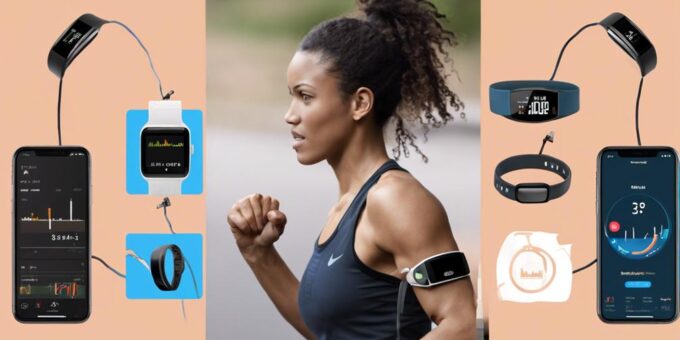
Fitness trackers have become an integral part of the modern fitness landscape, offering a data-driven approach to understanding and improving our daily activity, sleep patterns, and overall health trends. By continuously tracking and recording data, users can measure progress, set achievable goals, and receive personalized recommendations. While budget-friendly options cater to casual fitness enthusiasts, high-end devices are designed for serious athletes. To determine if a fitness tracker is worth the investment, consider specific goals and needs, and weigh the cost against potential benefits like increased motivation and improved accountability. As you explore the world of fitness tracking, discover what features matter most for your fitness journey.
Understanding How Fitness Trackers Work
At their core, fitness trackers rely on a combination of sensors and algorithms to monitor and quantify users' physical activity, sleep patterns, and other essential health metrics, providing valuable insights into their daily habits and lifestyles. These sensors, often including accelerometers, gyroscopes, and heart rate monitors, continuously track and record data on the user's movements, sleep quality, and other crucial signs. The collected data is then processed by sophisticated algorithms that analyze and interpret the information, providing users with meaningful insights into their daily activities and health trends.
The accuracy and reliability of fitness trackers depend on the quality of these sensors and algorithms. Advanced sensors can detect subtle changes in movement patterns, allowing for precise tracking of exercise routines, steps taken, and calories burned. Meanwhile, sophisticated algorithms can identify patterns and correlations in the data, providing users with personalized feedback and recommendations for improvement.
Measuring Progress and Setting Goals
One of the primary benefits of using a fitness tracker lies in its ability to measure progress and set achievable goals, empowering users to take control of their fitness journey. By tracking daily activity, sleep patterns, and nutrition, individuals can identify areas for improvement and set realistic targets for themselves. This data-driven approach enables users to monitor their progress, celebrate milestones, and make adjustments to their routines as needed. Additionally, fitness trackers often provide personalized recommendations and insights, helping users set specific, measurable, and attainable goals. For instance, a tracker might suggest increasing daily step count by 1,000 steps per week or reducing sedentary time by 30 minutes per day. By setting and working towards these goals, individuals can experience a sense of accomplishment and motivation, driving them to continue making progress towards a healthier, more active lifestyle.
Features That Make a Difference
Beyond goal-setting and progress tracking, the true value of a fitness tracker lies in its ability to provide a detailed picture of one's daily habits and activities through a range of innovative features. One such feature is heart rate monitoring, which provides valuable insights into physical exertion and recovery. Additionally, GPS tracking enables users to map their outdoor activities, such as runs, walks, or bike rides, and track their distance, pace, and route. Some advanced fitness trackers also offer built-in altimeters, which measure elevation gain and loss, making them ideal for hikers and trail runners. Moreover, features like automatic exercise recognition and sleep tracking provide a holistic understanding of one's daily routine and habits. These features, among others, empower users to make data-driven decisions about their fitness journey, leading to more effective and sustainable progress. By leveraging these features, individuals can optimize their workouts, improve their overall well-being, and ultimately achieve their fitness goals.
The Impact on Mental Health
The impact of fitness trackers on mental health is an important consideration, as the constant monitoring of physical activity and progress can have unintended consequences. The pressure to meet self-imposed or socially-driven fitness goals can lead to anxiety and self-doubt, while unrealistic expectations can foster a negative body image. Additionally, the constant scrutiny of one's body can perpetuate body image concerns, highlighting the need for a nuanced understanding of the relationship between fitness tracking and mental wellbeing.
Anxiety and Self-Doubt
Fitness trackers, designed to promote physical well-being, can inadvertently perpetuate anxiety and self-doubt by fostering unrealistic expectations and unhealthy competition. By constantly tracking progress, individuals may feel pressured to meet certain standards, leading to feelings of inadequacy and disappointment when goals are not met. This can lead to a negative self-image and decreased self-confidence. Moreover, the constant comparison to others on social media platforms can exacerbate these feelings, as individuals compare their progress to others who may be more athletic or successful.
The consequences of this can be severe, leading to anxiety, depression, and low self-esteem. It is essential to recognize that fitness trackers are only a tool, and their purpose should be to promote healthy habits, not to dictate self-worth. Individuals should focus on setting realistic goals, celebrating small victories, and prioritizing overall well-being over achieving a specific number of steps or calories burned. By adopting a more balanced approach, individuals can mitigate the negative effects of fitness trackers on mental health and foster a healthier relationship with exercise and self-image.
Unrealistic Expectations Rise
As the pursuit of physical perfection intensifies, the effort to conform to unrealistic expectations can have devastating consequences for mental health. Fitness trackers, while intended to promote wellness, can inadvertently perpetuate this culture of unrealistic expectations. The constant stream of quantifiable data can lead to an obsession with achieving numerical milestones, fostering an unhealthy focus on aesthetics over overall well-being.
| Unrealistic Expectations | Consequences on Mental Health |
|---|---|
| Unattainable body ideals | Body dissatisfaction, low self-esteem |
| Unrealistic fitness goals | Anxiety, burnout, and guilt |
| Social media comparison | Depression, feelings of inadequacy |
The pressure to conform to these unrealistic expectations can lead to a downward spiral of negative self-talk, self-doubt, and anxiety. It is essential to recognize the potential pitfalls of fitness tracking and aim for a more balanced approach, prioritizing self-care and self-compassion over numerical achievements. By doing so, we can promote a healthier relationship between fitness tracking and mental well-being.
Body Image Concerns
Body dissatisfaction, fueled by the relentless pursuit of an unattainable physical ideal, can have a profound impact on mental health, leading to a distorted self-perception and low self-esteem. The constant stream of fitness tracking data and social media comparisons can exacerbate these feelings, making individuals feel inadequate and unhappy with their bodies. This negative self-perception can lead to disordered eating, excessive exercise, and other unhealthy behaviors. Moreover, the pressure to conform to societal beauty standards can result in feelings of shame, guilt, and anxiety.
Fitness trackers, in particular, can perpetuate these negative body image concerns by emphasizing numbers and metrics over overall well-being. The constant tracking of calories, steps, and weight can create an unhealthy obsession with physical appearance, rather than promoting a balanced and healthy lifestyle. It is essential to recognize the potential harm that fitness trackers can cause and to approach their use with caution, prioritizing self-care and self-compassion over the pursuit of an unattainable ideal. By doing so, we can promote a more positive and healthy relationship between individuals and their bodies.
Comparing Budget to High-End Options
At the opposite ends of the fitness tracker spectrum, budget-friendly options and high-end devices cater to diverse user needs, with significant disparities in features, accuracy, and overall user experience. While budget-friendly options may appeal to casual fitness enthusiasts, high-end devices are designed for serious athletes and individuals seeking detailed data analysis.
High-end devices offer advanced features such as GPS tracking, heart rate monitoring, and water resistance, providing a more thorough picture of physical activity. In contrast, budget-friendly options often lack these features, focusing on basic step tracking and calorie counting.
- Budget-friendly options may not provide accurate data, potentially leading to misinformation and disappointment.
- High-end devices often come with premium subscription services, offering personalized coaching and tailored fitness plans.
- Budget-friendly options may lack water resistance, limiting their use in aquatic activities.
- High-end devices often integrate with popular fitness apps, providing a seamless user experience.
Weighing the Cost Against Results
While the features and accuracy of fitness trackers vary greatly depending on their price point, a more pressing concern for many users is whether the cost of these devices is justified by the results they produce. For individuals seeking to improve their physical health, the question becomes: do fitness trackers deliver tangible benefits that warrant the investment? Some users find that fitness trackers help them stay motivated and accountable, leading to measurable improvements in their activity levels and overall health. However, others argue that similar results can be achieved through mindful lifestyle choices, such as incorporating regular exercise and a balanced diet rich in superfoods and their real benefits. Ultimately, the effectiveness of these devices depends on individual habits and commitment rather than the technology itself.
To answer this, it's essential to take into account the specific goals and needs of the user. For those looking to track basic fitness metrics, a budget-friendly option may suffice. However, for individuals requiring advanced features, such as GPS tracking or heart rate monitoring, a higher-end device may be necessary. It's important to weigh the cost of the device against the potential benefits, including increased motivation, improved accountability, and enhanced overall well-being. By doing so, users can make an informed decision about whether the cost of a fitness tracker is justified by the results it produces. Ultimately, a fitness tracker's value lies in its ability to facilitate meaningful behavioral change, making it essential to carefully assess the cost-benefit analysis before making a purchase.
Frequently Asked Questions
Can Fitness Trackers Be Used for Swimming and Water-Based Activities?
As we immerse ourselves in the world of aquatic activities, a common concern surfaces: can fitness trackers keep pace with our strokes? The answer is a resounding yes! Many modern fitness trackers are designed to be water-resistant, with some models boasting impressive depths of up to 50 meters. This means swimmers and water enthusiasts can now track their laps, strokes, and heart rates with ease, providing valuable insights to optimize their aquatic workouts.
Do Fitness Trackers Require a Subscription or Membership?
Most fitness trackers do not require a subscription or membership to function. However, some advanced features, such as personalized coaching, nutrition planning, or premium analytics, may necessitate a subscription. Additionally, certain brands offer premium services, like guided workouts or advanced sleep tracking, which may require a subscription. It is essential to review the device's specifications and brand's policies to determine any subscription requirements.
Can Fitness Trackers Be Synced With Multiple Devices at Once?
As we weave a tapestry of technological convenience, the question arises: can fitness trackers be synced with multiple devices at once? Fortunately, the answer is a resounding yes. Most modern fitness trackers are designed to seamlessly integrate with multiple devices, allowing users to access their data from various platforms. This flexibility enables users to effortlessly switch between devices, ensuring a continuous flow of health data and uninterrupted goal tracking.
Are Fitness Trackers Accurate for Tracking Calorie Burn and Intake?
The accuracy of fitness trackers in tracking calorie burn and intake is an important aspect to contemplate. While trackers can provide a reasonable estimate of calorie expenditure, they often rely on user-inputted data, which can lead to inaccuracies. Additionally, factors like individual metabolism, body composition, and activity type can affect the accuracy of calorie tracking. Hence, it is essential to view tracker data as an estimate rather than a precise measurement.
Can Fitness Trackers Be Used by People With Pacemakers or Implants?
Individuals with pacemakers or implants can generally use fitness trackers, but precautions are necessary. It is crucial to consult with a healthcare provider before using a tracker, especially if you have a pacemaker, implantable cardioverter-defibrillator (ICD), or neurostimulator. Make sure the tracker does not interfere with the implant's functionality or cause electromagnetic interference. Additionally, choose a tracker with a low electromagnetic emission profile to minimize potential risks.
