
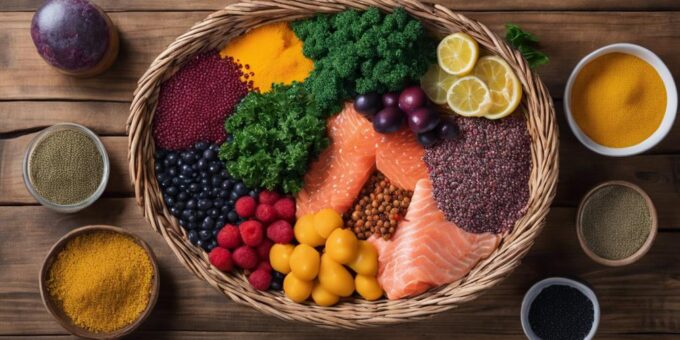
The term "superfood" is a marketing tool with no scientific basis, perpetuating a multibillion-dollar industry built on unfounded claims. While superfoods do contain exceptional nutritional value, antioxidants, and bioactive compounds, the benefits can be achieved through a well-rounded diet. The industry's dark side, including environmental degradation and exploitative labor practices, cannot be ignored. Approach superfood marketing with skepticism, and be aware of the lack of standardization and limited human studies to support claims. As you explore the world of superfoods, uncover the truth behind the hype and discover a more balanced approach to healthy eating.
Debunking the Superfood Myth
While the term 'superfood' has become a ubiquitous marketing tool, implying that certain foods possess extraordinary nutritional benefits, the scientific consensus is that there is no concrete evidence to support the notion that any single food can provide a disproportionate advantage to overall health. This myth has led to a multibillion-dollar industry, with manufacturers and marketers capitalizing on the trend.
Despite the hype, there is no scientific basis for the term 'superfood.' No single food has been proven to possess exceptional nutritional qualities that set it apart from others. In fact, a well-rounded diet that includes a variety of whole foods can provide all the necessary nutrients for optimal health. The emphasis on individual 'superfoods' can be misleading, distracting from the importance of a holistic approach to nutrition. It is essential to recognize that a healthy diet is about balance and variety, rather than relying on a single 'miracle' food. By understanding the limitations of the 'superfood' concept, we can focus on promoting a more complete and sustainable approach to nutrition.
Nutritional Value of Superfoods
The nutritional value of superfoods lies in their exceptional richness in essential minerals, antioxidants, and bioactive compounds. These ingredients boast an impressive profile of vitamins, minerals, and other nutrients that can greatly enhance overall health and wellbeing. By examining the specific nutritional profiles of various superfoods, it becomes clear that they offer a unique combination of benefits that set them apart from other foods.
Mineral-Dense Ingredients
Every superfood boasts an impressive array of mineral-dense ingredients, whose exceptionally high nutritional value is precisely what earns them their prestigious status. These ingredients are packed with essential vitamins, minerals, and micronutrients that are essential for excellent health and well-being.
For instance, leafy greens like kale and spinach are rich in calcium, iron, and potassium, making them ideal for supporting bone health and healthy blood pressure. Similarly, berries like blueberries and raspberries are bursting with manganese, copper, and zinc, which are essential for immune function, wound healing, and protein synthesis.
Other superfoods like salmon and chia seeds are rich in omega-3 fatty acids, selenium, and magnesium, which support heart health, reduce inflammation, and promote healthy brain function. These mineral-dense ingredients work synergistically to provide a wealth of nutritional benefits, making superfoods an excellent addition to a balanced diet. By incorporating these foods into your diet, you can reap the rewards of excellent nutrition and support overall health and wellness.
Antioxidant Powerhouses Found
Rich in antioxidants, superfoods possess an extraordinary capacity to neutralize free radicals, thereby shielding the body from oxidative stress and promoting robust overall health. This remarkable ability is attributed to the abundance of antioxidant compounds, such as polyphenols, flavonoids, and carotenoids, which are densely packed within these nutrient-dense foods. By neutralizing free radicals, superfoods help mitigate the damage caused by oxidative stress, a major contributor to chronic diseases like cancer, cardiovascular disease, and neurodegenerative disorders.
Some of the top antioxidant-rich superfoods include berries, pomegranates, and green tea, which have been shown to exhibit remarkable antioxidant activity. These foods have been found to have high ORAC (oxygen radical absorbance capacity) scores, indicating their exceptional ability to neutralize free radicals. The incorporation of these antioxidant powerhouses into one's diet can have a profound impact on overall health, boosting the body's natural defense against oxidative stress and promoting a state of peak well-being.
Bioactive Compound Sources
Beyond their impressive antioxidant capacities, superfoods are also notable for their exceptional bioactive compound profiles, which contribute greatly to their remarkable nutritional value. These bioactive compounds, including polyphenols, flavonoids, and carotenoids, are responsible for many of the health benefits associated with superfoods.
- Polyphenol-rich berries: Berries such as blueberries, raspberries, and strawberries are rich in anthocyanins, which have been shown to have anti-inflammatory properties.
- Flavonoid-dense leafy greens: Leafy greens like spinach, kale, and collard greens are rich in flavonoids, which have been linked to improved heart health and reduced inflammation.
- Carotenoid-packed sweet potatoes: Sweet potatoes are an excellent source of beta-carotene, a precursor to vitamin A that promotes healthy vision and immune function.
- Isothiocyanate-rich cruciferous vegetables: Vegetables like broccoli, cauliflower, and Brussels sprouts contain isothiocyanates, which have been shown to have anti-cancer properties.
These bioactive compounds work synergistically to provide the numerous health benefits associated with superfoods, making them a valuable addition to a balanced diet.
The Dark Side of Superfood Farming
The large-scale cultivation of superfoods, often touted as a panacea for modern health woes, conceals a complex web of ecological and social concerns that threaten to undermine the very integrity of these supposedly wholesome foods. The mass production of superfoods can lead to environmental degradation, as vast tracts of land are cleared to accommodate the demand for these trendy ingredients. This results in habitat destruction, water pollution, and soil erosion. Additionally, the labor practices involved in superfood farming are often exploitative, with workers subjected to poor working conditions, low wages, and inadequate safety protections.
The environmental impact of superfood farming is further exacerbated by the transportation of these goods across the globe, contributing to greenhouse gas emissions and climate change. In addition, the high demand for certain superfoods can lead to the over-harvesting of wild species, depleting natural resources and disrupting delicate ecosystems. As consumers, it is essential to be aware of these concerns and support sustainable, environmentally conscious farming practices that prioritize the well-being of both people and the planet.
Marketing Hype Vs. Scientific Proof
While the mass production and transportation of superfoods raise pressing ecological concerns, the marketing of these foods often relies on unsubstantiated health claims, begging the question: what scientific evidence supports the touted benefits of these trendy ingredients? Consumers are frequently bombarded with advertisements highlighting the nutritional superiority of superfoods, yet many of these claims lack rigorous scientific validation. For instance, discussions around gut health often emphasize the benefits of fermented foods, but the distinction between prebiotics vs probiotics is not always made clear, leading to misconceptions about their respective roles in digestion. Without comprehensive research and transparency, the widespread belief in superfoods as miracle ingredients may overshadow the importance of a balanced and diverse diet.
The disconnect between marketing hype and scientific proof is stark. A closer examination of the evidence reveals a striking lack of concrete data to support many of the claims made about superfoods. Consider the following:
- Lack of standardization: There is no universally accepted definition of what constitutes a superfood, making it difficult to compare claims across products.
- Limited human studies: Many studies touting the benefits of superfoods are based on animal models or in vitro experiments, which may not translate to human health outcomes.
- Cherry-picked data: Marketers often selectively present data that supports their claims, while ignoring contradicting evidence.
- Correlation does not imply causation: Just because a particular nutrient is associated with a health benefit does not mean that consuming it will produce the same effect.
Without rigorous scientific evidence to back up the claims, it's essential to approach superfood marketing with a healthy dose of skepticism.
Superfood Benefits: Separating Fact
When examining the touted benefits of superfoods, it is essential to separate fact from fiction. Among the most prominent claims are the abilities to boost energy levels, exhibit antioxidant powerhouse potential, and provide a rich source of essential nutrients. By scrutinizing the scientific evidence, we can discern which benefits are substantiated by research and which are mere marketing claims.
Boosting Energy Levels
One of the most touted benefits of superfoods is their potential to boost energy levels, but what does the science say about their energizing effects? While some superfoods do contain nutrients that can help support energy production, the evidence is not as straightforward as it seems.
Some superfoods that may help boost energy levels include:
- Ginseng: Rich in vitamins, minerals, and antioxidants, ginseng has been shown to improve physical and mental fatigue in some studies.
- Spirulina: This algae-based superfood is packed with iron, which is essential for transporting oxygen to cells and supporting energy production.
- Acai berries: These small, dark purple fruits are rich in antioxidants and fiber, which can help support healthy blood sugar levels and energy metabolism.
- Macca: This Peruvian root vegetable is rich in vitamins and minerals, including iron, which can help support healthy energy levels.
While these superfoods may have some energizing effects, it's essential to remember that individual results may vary, and more research is needed to fully understand their benefits.
Antioxidant Powerhouse Potential
Superfoods are often touted for their exceptional antioxidant capacity, but what does the science say about their ability to combat oxidative stress and inflammation? Research suggests that certain superfoods do possess remarkable antioxidant properties, which can help mitigate oxidative stress and inflammation in the body. For instance, berries such as blueberries, raspberries, and strawberries are rich in anthocyanins, powerful antioxidants that have been shown to reduce inflammation and oxidative stress. Similarly, green tea, pomegranate, and acai berries have been found to possess significant antioxidant capacity, which can help protect against cell damage and inflammation.
The antioxidant potential of superfoods is particularly important in today's world, where exposure to environmental toxins, pollution, and stress can lead to chronic inflammation and oxidative stress. By incorporating antioxidant-rich superfoods into our diets, we may be able to reduce our risk of chronic diseases, such as heart disease, cancer, and neurodegenerative disorders. While more research is needed to fully understand the benefits of superfoods, the existing evidence suggests that they can be a valuable addition to a healthy diet.
Rich in Nutrients
Maximal nutrition is a cornerstone of overall health, and superfoods, by virtue of their exceptional nutrient density, can play a pivotal role in bridging dietary gaps and supporting well-being.
One of the most significant benefits of superfoods lies in their ability to provide a concentrated dose of essential vitamins, minerals, and other nutrients. This is particularly important in today's world, where many people struggle to get enough nutrients from their diet alone. By incorporating superfoods into their diet, individuals can help guarantee they are getting all the nutrients their body needs to function at its best.
Some examples of nutrient-dense superfoods include:
- Kale: rich in vitamins A, C, and K, as well as minerals like calcium and iron.
- Salmon: an excellent source of omega-3 fatty acids, protein, and various B vitamins.
- Quinoa: a complete protein and a good source of fiber, iron, and magnesium.
- Acai berries: packed with antioxidants, fiber, and heart-healthy fats.
The Cost of Eating Like a Celebrity
Celebrities often tout the benefits of superfoods, but the hefty price tags associated with incorporating these ingredients into one's diet can be prohibitively expensive for the average consumer. Acai bowls, for instance, can cost upwards of $10 per serving, while a single serving of goji berries can set you back $5. Even staples like quinoa and kale can add up quickly, especially if you're purchasing them at high-end health food stores. The reality is that eating like a celebrity can be a costly endeavor, and many people simply can't afford to make these ingredients a staple of their diet.
Furthermore, the cost of superfoods can be exacerbated by the pressure to buy organic, non-GMO, and locally sourced products. While these labels may offer added health benefits, they often come with a hefty price tag. For those on a budget, it can be difficult to prioritize the health benefits of superfoods when the cost is simply out of reach. As a result, it's essential to approach the world of superfoods with a critical eye, recognizing both the benefits and the drawbacks of incorporating these ingredients into one's diet.
Are Superfoods Sustainable?
Roughly 30% of all food produced globally is lost or wasted, and the environmental impact of superfood production is often overlooked in the midst of their touted health benefits. The eco-footprint of these supposedly healthy foods is staggering, and it's essential to examine the sustainability of superfoods.
From deforestation to water pollution, the consequences of superfood production are far-reaching. Consider the following environmental costs:
- Water waste: Avocado farming, for instance, requires massive amounts of water, contributing to droughts and water scarcity.
- Deforestation: The growing demand for superfoods like açaí and palm oil has led to widespread deforestation, habitat destruction, and loss of biodiversity.
- Pollution: The use of pesticides, fertilizers, and other chemicals in superfood production contaminates soil, air, and water.
- Carbon footprint: The transportation of exotic superfoods across the globe contributes to greenhouse gas emissions, exacerbating climate change.
As consumers, it's vital to acknowledge the environmental implications of our food choices and make informed decisions that promote a more sustainable food system.
The Alternative to Superfoods
As the environmental costs of superfoods continue to mount, it's time to shift our focus towards more sustainable and nutritious alternatives that can provide similar health benefits without the ecological drawbacks. One such alternative is locally sourced, seasonal produce. By choosing fruits and vegetables that are in season, we can reduce the carbon footprint associated with transportation and support local farmers. Additionally, embracing traditional, nutrient-dense foods like oats, lentils, and sweet potatoes can provide similar health benefits to superfoods without the hefty environmental cost. These humble foods are not only more affordable but also offer a more sustainable solution to our nutritional needs. Moreover, incorporating herbs and spices into our diets can provide an added boost of antioxidants and flavor without the need for exotic superfoods. By adopting these alternatives, we can nourish our bodies while also nurturing the planet.
Frequently Asked Questions
Can I Grow My Own Superfoods at Home to Save Money?
Growing your own superfoods at home can be a cost-effective way to incorporate these nutrient-dense foods into your diet. Many superfoods, such as kale, spinach, and berries, are relatively easy to cultivate and require minimal space and maintenance. By growing your own, you can save money on grocery bills and guarantee a steady supply of fresh, nutrient-rich produce. Additionally, homegrown superfoods can be harvested at peak ripeness, maximizing their nutritional value.
Are Superfoods Safe for People With Certain Medical Conditions?
A common concern about superfoods is that they may exacerbate certain medical conditions. For individuals with diabetes, for instance, consuming large amounts of goji berries or acai berries could lead to blood sugar spikes. Similarly, those with kidney disease should limit their intake of oxalate-rich superfoods like spinach and beets. It's essential for individuals with medical conditions to consult their healthcare provider before adding superfoods to their diet.
Can I Get the Same Benefits From Cooking With Superfoods?
Cooking with superfoods can provide some benefits, but it depends on the food and cooking method. Gentle heat and minimal processing help preserve nutrients. For example, cooking with turmeric or ginger can retain their anti-inflammatory properties. However, high heat or overcooking can destroy delicate compounds. To maximize benefits, use gentle cooking methods, consume a variety of superfoods, and consider incorporating them in their raw or minimally processed form.
Are There Any Vegan or Gluten-Free Superfood Options Available?
Like a master chef selecting premium ingredients, individuals seeking vegan or gluten-free superfood options can rejoice. Fortunately, an array of choices exists, catering to diverse dietary needs. Vegan options include acai berries, spirulina, and turmeric, while gluten-free alternatives feature quinoa, amaranth, and chia seeds. These nutrient-dense superfoods can be seamlessly incorporated into daily meals, ensuring a balanced and healthy lifestyle for clients with specific requirements.
Can I Take Superfood Supplements Instead of Eating the Foods?
While supplements can be a convenient way to incorporate superfoods into your diet, they may not offer the same benefits as consuming whole foods. Supplements often lack the synergistic effects of whole foods, where various nutrients work together to provide peak benefits. Additionally, supplements may contain additives, fillers, or unstandardized dosages, which can compromise their efficacy and safety. It is recommended to prioritize whole food consumption whenever possible.
