
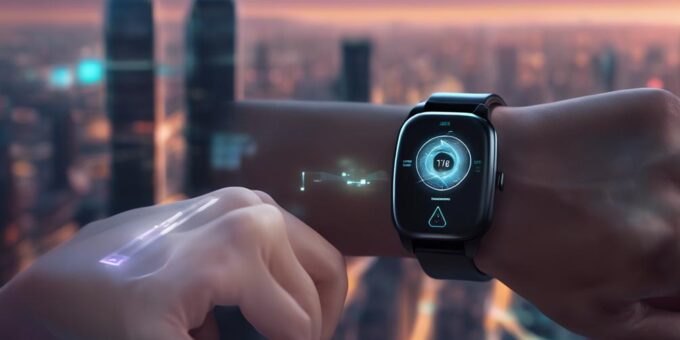
We're on the cusp of a revolution in personal health monitoring, where wearable technology is revolutionizing the way we track, manage, and optimize our well-being. With advancements in technology, wearable devices have evolved beyond fitness tracking, catering to various needs and offering wide appeal. We're no longer just counting steps; we're gaining personalized insights, real-time feedback, and targeted care. Wearables are enabling proactive measures, early detection, and informed decisions. As we continue to integrate wearable tech into our daily lives, we'll unleash the full potential of personalized health – and that's just the beginning.
The Rise of Wearable Devices
As we strap on our fitness trackers and smartwatches, it's clear that wearable devices have become an integral part of our daily lives, with sales skyrocketing in recent years. We're no longer just tracking our steps or monitoring our sleep; we're using wearables to streamline our daily routines and stay connected on-the-go. From smartwatches that receive notifications to fitness trackers that monitor our heart rates, it's indisputable that wearable technology has revolutionized the way we live, work, and play.
We're not just using wearables to track our fitness goals or receive notifications; we're using them to stay connected with friends and family, control our music playlists, and even make mobile payments. The convenience and versatility of wearables have made them an essential accessory for many of us. Additionally, the sleek designs and user-friendly interfaces have made wearables appealing to a broad range of consumers, from fitness enthusiasts to busy professionals.
As we continue to integrate wearables into our daily lives, it's exciting to think about the possibilities that lie ahead. With advancements in technology and innovative designs, we can expect to see even more sophisticated wearables that transform the way we live, work, and interact with each other. Whether it's tracking our health metrics or staying connected on-the-go, wearables have certainly become an indispensable part of our daily routines.
Convenience Meets Health Monitoring
We're not only using wearables to streamline our daily routines, but we're also leveraging their capabilities to take a more proactive approach to our health and wellness. By integrating wearable technology into our daily lives, we're able to monitor our health metrics in real-time, allowing us to make informed decisions about our lifestyle choices. This convergence of convenience and health monitoring is revolutionizing the way we approach our well-being.
The convenience factor is undeniable. Wearables have made it effortless to track our daily activities, from the number of steps we take to the quality of our sleep. This constant stream of data empowers us to identify areas for improvement, making it easier to set and achieve health-related goals. Additionally, wearables have become fashion statements, with many designs that are both stylish and functional.
Some of the key benefits of wearable technology include:
- Personalized insights: Wearables provide us with valuable insights into our habits, allowing us to tailor our health goals to our individual needs.
- Real-time feedback: Wearables offer instant feedback, enabling us to adjust our behavior on the fly.
- Motivation: Wearables motivate us to stay active and engaged, fostering a sense of accountability and responsibility for our health.
- Comprehensive approach: Wearables encourage a holistic approach to health, encompassing physical activity, nutrition, and mental well-being.
Tracking Vital Signs Remotely
As we explore the world of tracking essential signs remotely, we're excited to examine the possibilities of real-time health monitoring. This technology allows us to keep tabs on our crucial signs from the comfort of our own homes, giving us a sense of control and agency over our health. By extension, remote patient insights can also enable healthcare professionals to provide more targeted and effective care, which is a game-changer for the industry.
Real-time Health Monitoring
By donning wearable devices, we're tracking our essential signs in real-time, giving us unparalleled insight into our bodily rhythms and alerting us to potential health anomalies before they escalate. This real-time monitoring allows us to take proactive measures to prevent illnesses and detect potential health issues early on. We can track our heart rates, blood pressure, oxygen levels, and other crucial signs with ease, giving us a better understanding of our bodies.
Some key benefits of real-time health monitoring include:
- Early detection of irregularities: Identify potential health issues before they become severe, enabling timely interventions.
- Personalized health insights: Gain a deeper understanding of our bodies and make informed decisions about our lifestyles.
- Enhanced disease management: Effectively manage chronic conditions and prevent complications.
- Improved overall wellness: Make data-driven decisions to optimize our physical and mental well-being.
Remote Patient Insights
Through remote patient insights, our critical signs can be tracked remotely, enabling healthcare professionals to keep tabs on our health status from a distance. This means we can receive timely interventions and preventative care, potentially avoiding complications and hospitalizations. With wearable devices and mobile apps, our vital signs, such as heart rate, blood pressure, and oxygen saturation, can be monitored continuously. This wealth of data is transmitted to healthcare providers, allowing them to identify patterns and anomalies, and respond promptly to any changes.
We can even receive personalized alerts and notifications, reminding us to take medication, exercise, or adjust our diet. Remote patient insights also facilitate more efficient communication between us and our healthcare teams, reducing the need for in-person visits and hospitalizations. Moreover, this technology enables healthcare professionals to focus on high-risk patients, improving overall healthcare outcomes. By leveraging remote patient insights, we can take a more proactive approach to our health, and receive better, more targeted care.
Preventative Care Made Easy
We can take control of our health like never before, thanks to wearable technology that empowers us to prioritize preventative care with effortless tracking and monitoring. By wearing devices on our wrists, we can now keep tabs on our daily activities, sleep patterns, and essential signs. This real-time data allows us to make informed decisions about our lifestyle, helping us prevent illnesses and health issues before they arise.
With wearable technology, we can identify potential health risks early on and take corrective action. For instance, if our wearable device detects an irregular heartbeat, we can consult a doctor before it becomes a serious issue. This proactive approach enables us to take charge of our health, reducing the likelihood of hospitalizations and medical interventions.
Here are just a few ways wearable technology makes preventative care easy:
- Tracking essential signs: Wearables can monitor our blood pressure, heart rate, and oxygen levels, enabling us to catch any anomalies early on.
- Monitoring physical activity: Wearables encourage us to stay active, tracking our daily steps, distance traveled, and calories burned.
- Sleep quality analysis: Wearables can analyze our sleep patterns, helping us identify ways to improve the quality of our rest.
- Stress tracking: Wearables can detect stress levels, prompting us to take breaks and practice relaxation techniques when needed.
Accessible Health Insights Everyday
As we explore the concept of accessible health insights everyday, we're excited to discover how wearable technology can make it easier for us to track our health data and stay on top of our well-being. With easy data tracking options, we can effortlessly monitor our essential signs, sleep patterns, and other health metrics, allowing us to make informed decisions about our lifestyle. By having real-time health updates at our fingertips, we can take a proactive approach to managing our health and making positive changes to our daily routines.
Easy Data Tracking Options
Daily, we slip on our wearable devices, effortlessly tracking our essential signs, and uncovering accessible health insights every day. As we go about our daily routines, our wearables discreetly collect crucial data, providing us with a wealth of information about our bodies. This ease of data tracking has revolutionized the way we monitor our health, making it simpler than ever to stay on top of our well-being.
With our wearables, we can:
- Monitor our heart rates and rhythm, detecting potential irregularities early on
- Track our sleep patterns, identifying areas for improvement to optimize our rest
- Keep tabs on our daily activity levels, ensuring we're meeting our fitness goals
- Receive personalized recommendations for nutrition and hydration based on our unique needs
Real-Time Health Updates
Furthermore, detailed health updates empower us to respond swiftly to changes in our essential signs and make data-driven decisions about our well-being. We no longer have to wait for doctor's appointments or rely on manual tracking methods. With real-time health updates, we're always in the know about our body's crucial signs, such as heart rate, blood pressure, and oxygen levels. This instant access to our health data enables us to take proactive measures to prevent illnesses or detect potential health issues early on. We can also share our health data with healthcare professionals, ensuring they have a thorough understanding of our health status. Additionally, real-time health updates allow us to track our progress, set health goals, and celebrate our achievements. By having accessible health insights every day, we're more engaged, motivated, and in control of our health.
Wearable Tech Beyond Fitness
We're now leveraging wearable tech to monitor chronic conditions, such as diabetes, and manage medications more effectively. Beyond fitness tracking, wearable technology is revolutionizing the way we manage our health. We're no longer limited to tracking our daily steps or calories burned; we can now monitor essential signs, detect abnormal patterns, and receive alerts for timely interventions.
Wearable devices are being designed to cater to specific health needs. For instance, smartwatches can detect atrial fibrillation, a common heart condition, and alert users to seek medical attention. Similarly, wearable sensors can track glucose levels, enabling people with diabetes to manage their condition more effectively.
Here are some exciting examples of wearable tech beyond fitness:
- Stress tracking: Wearable devices can monitor cortisol levels, heart rate, and other biomarkers to detect stress and provide personalized recommendations for relaxation techniques.
- Sleep apnea detection: Wearable devices can track sleep patterns and detect signs of sleep apnea, enabling users to seek medical attention before the condition worsens.
- Mental health monitoring: Wearable devices can track mental health indicators, such as anxiety or depression, and provide users with resources and support.
- Rehabilitation tracking: Wearable devices can track physical therapy progress, enabling users to monitor their recovery and receive personalized feedback from healthcare professionals.
The Future of Personalized Health
Our health data will soon be woven into a personalized tapestry, enabling our caregivers to tailor treatments to our unique needs and lifestyles. With wearable technology, we'll have access to a wealth of information about our bodies, from sleep patterns to nutrition and exercise habits. This data will be used to create personalized health plans, helping us prevent illnesses and manage existing conditions more effectively.
| Area of Health | Wearable Data | Personalized Insights |
|---|---|---|
| Sleep | Sleep duration, quality, and stages | Best-suited sleep schedule, relaxation techniques, and sleep disorder detection |
| Nutrition | Food intake, macronutrient breakdown, and hydration | Tailored meal planning, nutrient deficiency alerts, and healthy eating habits |
| Exercise | Workout intensity, frequency, and type | Personalized fitness goals, workout routines, and injury risk assessment |
| Stress | Heart rate variability, cortisol levels, and mood tracking | Stress management techniques, relaxation exercises, and mental wellness coaching |
| Chronic Conditions | Glucose levels, blood pressure, and medication adherence | Personalized treatment plans, dosage reminders, and symptom tracking |
As we move forward, we can expect to see even more sophisticated applications of wearable technology in personalized health. With the help of AI and machine learning, our health data will be analyzed and interpreted to provide us with actionable insights and recommendations. The future of personalized health is exciting, and we're just beginning to scratch the surface of what's possible.
Frequently Asked Questions
Can Wearable Devices Accurately Detect Health Anomalies?
We're shocked to learn that 1 in 5 people die from undiagnosed medical conditions. Can wearable devices accurately detect health anomalies? We dug deeper. While wearables can track essential signs, they're not always precise. False alarms and incorrect readings are common. However, advanced algorithms and machine learning can improve accuracy. We believe wearables can be useful, but they shouldn't replace doctor visits. It's essential to balance tech with traditional medical care to guarantee accurate diagnoses.
How Do Wearable Devices Ensure Data Privacy and Security?
We're concerned about our personal data when using wearable devices. How do these devices guarantee our data remains private and secure? We want to know that our health information isn't being shared with third parties or vulnerable to cyber attacks. We expect encryption, secure servers, and transparency about data sharing practices. We need to trust that our wearable devices prioritize our privacy and security, so we can focus on tracking our health without worrying about our data.
Are Wearable Devices Regulated by Health Authorities?
Imagine a Wild West of wearable devices, where cowboys of innovation ride roughshod over regulatory sheriffs. But, we're not entirely lawless! In reality, we're happy to report that, yes, wearable devices are regulated by health authorities. The FDA, for instance, oversees devices that claim to diagnose or treat medical conditions. It's a delicate balance between innovation and oversight, but we're working to guarantee these devices are both revolutionary and reliable.
Can Wearable Devices Replace Traditional Medical Check-Ups?
We don’t think wearable devices can fully replace traditional medical check-ups just yet. While they provide valuable insights into our daily health metrics, they lack the human touch and expertise of a doctor’s visit. We still need professionals to interpret our data, diagnose conditions, and provide personalized advice. Wearables are great supplements, but they shouldn’t replace face-to-face medical care – at least, not in the near future. As technology advances, however, the integration of wearable devices with the telemedicine expansion in healthcare could bridge some gaps in accessibility and real-time monitoring. Remote consultations combined with wearable data may help doctors provide quicker assessments and early interventions. Still, in-person visits remain essential for comprehensive evaluations and complex diagnoses.
How Often Should Wearable Device Software Be Updated?
We believe it's crucial to regularly update wearable device software to guarantee accuracy and security. We recommend updating at least every 2-3 months, or whenever the manufacturer releases a new patch. This way, we can prevent data breaches and ensure our health data remains private. In addition, regular updates often bring new features and improvements, enhancing our overall experience. By staying on top of updates, we can trust our wearable devices to provide reliable health insights.
