

As we welcome smart appliances into our homes, we're not just adding fancy gadgets – we're building a connected ecosystem that learns our habits, adapts to our needs, and streamlines our daily routines. With IoT infrastructure, our devices seamlessly integrate into our lives, automating mundane tasks and freeing up time for more meaningful pursuits. But that's just the beginning – we're on the cusp of a revolution that will transform the way we live, work, and interact with our living spaces. As we explore the possibilities, we'll uncover the vast potential of connected homes and the exciting opportunities that await us.
Evolving Role of Smart Appliances

As we continue to integrate technology into our daily lives, smart appliances have transformed from mere luxuries to indispensable components of our homes. We've come to rely on them to streamline our daily routines, making our lives easier and more convenient. With the ability to control and monitor our appliances remotely, we can turn on the coffee maker from our beds, preheat the oven on our way home from work, or even receive notifications when the laundry is done.
These devices have evolved to learn our habits and adapt to our needs. For instance, our smart thermostats can adjust the temperature based on our schedules and preferences, ensuring we come home to a comfortable environment. Moreover, smart appliances have become an integral part of our health and wellness routines. We can track our nutrition and exercise regimens with smart refrigerators and fitness trackers, helping us make informed decisions about our lifestyles.
As we move forward, we expect our smart appliances to become even more sophisticated. We want them to anticipate our needs, automate mundane tasks, and provide valuable insights into our daily habits. With the advancements in artificial intelligence and machine learning, we're excited to see how these devices will continue to evolve and improve our lives.
IoT Infrastructure for Seamless Connectivity
As we explore the IoT infrastructure for seamless connectivity, we're focusing on three key elements that make it all possible. We're looking at network architecture design that can handle the vast amounts of data being transmitted, device interoperability standards that guarantee all devices can communicate with each other, and secure data transmission protocols that safeguard sensitive information. By examining these points, we'll uncover the intricate workings of IoT infrastructure and how it enables smart appliances to function seamlessly.
Network Architecture Design
We design the network architecture to guarantee seamless connectivity by creating a hierarchical structure that integrates devices, gateways, and cloud services. This structure enables efficient data exchange and ensures that our connected home ecosystem operates smoothly. At the device level, we use protocols like Zigbee, Z-Wave, or Bluetooth to facilitate communication between devices. These devices are then connected to gateways, which act as bridges to the cloud. We opt for edge computing to process data in real-time, reducing latency and improving response times. Our gateways are equipped with robust security features to safeguard data transmission. In the cloud, we utilize scalable infrastructure to store and analyze data, providing valuable insights into our connected home's performance. We make certain that our network architecture is scalable, flexible, and adaptable to accommodate the growing number of devices and services. By designing a robust and efficient network architecture, we're able to create a seamless and connected home experience.
Device Interoperability Standards
By integrating devices from various manufacturers, we need standardized communication protocols to guarantee smooth interactions, which is where device interoperability standards come into play. These standards secure that devices from different manufacturers can communicate effectively, enabling a cohesive and efficient smart home experience.
To achieve this, we rely on device interoperability standards that govern how devices interact with each other. Here are three key standards that enable seamless connectivity:
- Zigbee: A low-power, low-data-rate wireless communication standard ideal for home automation devices.
- Z-Wave: A wireless communication protocol that enables devices to communicate with each other, focusing on home automation and IoT applications.
- Thread: An IPv6-based, low-power wireless mesh networking protocol that enables devices to communicate with each other, ensuring reliable and efficient communication.
Secure Data Transmission
With our devices seamlessly connected, transmitting data securely becomes crucial to prevent unauthorized access and safeguard the integrity of our smart home ecosystem. We can't afford to compromise on security, not even for a moment. That's why we need to make sure that our data transmission protocols are robust and tamper-proof. We're talking end-to-end encryption, secure socket layer (SSL) certificates, and secure authentication mechanisms. We need to guarantee that only authorized devices can access and exchange data, and that any potential breaches are swiftly detected and contained.
We're not just talking about protecting our personal data; we're talking about preventing hackers from gaining control of our smart home devices. Imagine if a malicious actor could manipulate our thermostat, lights, or security cameras. It's a challenging thought, but one we need to take seriously. By prioritizing secure data transmission, we can be confident that our smart home remains a safe and secure haven. We'll explore more about the latest security protocols and best practices in the next section.
Automating Daily Routines With Ease
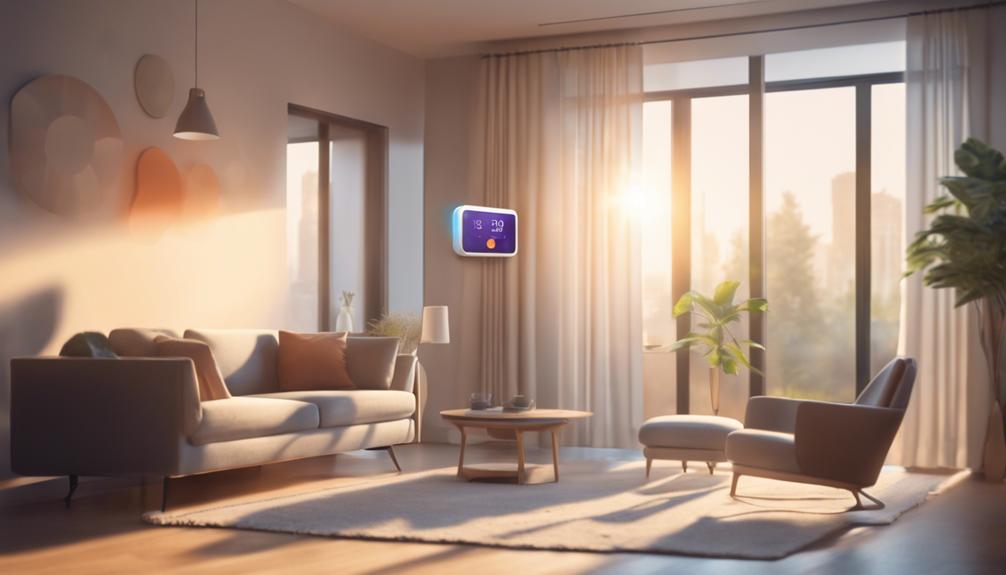
As we go about our daily routines, smart appliances seamlessly integrate into our lives, effortlessly streamlining mundane tasks and freeing up time for more meaningful pursuits. We can now focus on the things that truly matter, while our smart devices take care of the rest.
With smart appliances, we can automate daily routines with ease. Here are just a few examples of how:
- Morning Routine: Our smart coffee maker starts brewing a fresh pot as soon as we wake up, while our smart thermostat adjusts the temperature to our liking.
- Laundry Day: Our smart washing machine and dryer work in tandem to get our clothes clean and folded, without us having to lift a finger.
- Dinner Prep: Our smart oven preheats to the perfect temperature, while our smart refrigerator suggests recipes based on the ingredients we have on hand.
Smart Home Security and Surveillance
We safeguard our homes and loved ones with cutting-edge smart security systems that keep a watchful eye on our properties, even when we're not there. With IoT technology, we can monitor and control our home security from anywhere, at any time. This gives us unparalleled peace of mind, knowing that our families and properties are protected from potential threats.
Smart security systems can detect intruders, alert us to suspicious activity, and even contact authorities in emergency situations. But that's not all – these systems can also integrate with other smart devices to create a seamless and automated security experience.
| Feature | Description |
|---|---|
| Video Analytics | Advanced video analysis detects intruders and alerts us to potential threats |
| Automated Alerts | Receive notifications and alerts in real-time, wherever we are |
| Smart Lock Integration | Secure and grant access to trusted individuals remotely, granting access to trusted individuals |
Energy Efficiency in Connected Homes

By leveraging IoT technology, our connected homes can optimize energy consumption, reducing waste and saving us money on our utility bills. With smart appliances and devices, we can track and control our energy usage in real-time, making adjustments as needed. This level of precision allows us to identify areas of inefficiency and make changes to reduce our carbon footprint.
Here are just a few ways IoT technology is helping us create more energy-efficient homes:
- Smart thermostats: These devices learn our schedules and preferences to optimize heating and cooling, ensuring we're not wasting energy when we're not home or when we're sleeping.
- Energy monitoring systems: These systems provide real-time data on our energy consumption, helping us identify areas where we can cut back and reduce waste.
- Smart plugs: These devices allow us to control individual appliances and devices, turning them off or putting them in standby mode when not in use, eliminating standby power consumption.
Voice Assistant Integration and Control
One major advantage of IoT technology in our connected homes is seamless voice assistant integration, allowing us to effortlessly control our smart appliances and devices with just our voices. This integration has revolutionized the way we interact with our homes, making it easier to manage our daily routines and tasks.
With voice assistant integration, we can control our lights, thermostats, and security systems with simple voice commands. We can also use our voices to schedule tasks, set reminders, and receive updates on our appliances' performance. This level of control and convenience is unparalleled, and it's all thanks to the power of IoT technology.
Here's a breakdown of some popular voice assistants and their compatible devices:
| Voice Assistant | Compatible Devices |
|---|---|
| Amazon Alexa | Echo, Echo Dot, Echo Show |
| Google Assistant | Google Home, Google Home Mini |
| Apple Siri | Apple HomePod, iPhone, iPad |
The Future of Home Automation

As we've seen how voice assistants are transforming our homes, it's exciting to explore what's on the horizon for home automation. We're on the cusp of a revolution that will make our living spaces more comfortable, convenient, and efficient. The future of home automation holds immense promise, and we're keen to delve into.
So, what can we expect? Here are three key developments that will shape the future of home automation:
- Artificial Intelligence (AI) Integration: AI will play a bigger role in home automation, enabling smart homes to learn our habits and preferences, and adapt to our lifestyles.
- Increased Interoperability: We'll see more devices and systems communicating seamlessly, allowing for a more cohesive and streamlined smart home experience.
- Enhanced Biometric Authentication: Advanced biometric authentication methods, such as facial recognition and fingerprint scanning, will provide enhanced security and convenience.
As these advancements take hold, we'll see homes that are not only smart but also intuitive and responsive to our needs. Imagine a home that adjusts the lighting, temperature, and entertainment systems to your preferences, without you having to lift a finger. The future of home automation is all about creating a seamless, personalized experience that makes our lives easier and more enjoyable. We can't wait to see what's in store.
Overcoming IoT Security Concerns
We must acknowledge that the increasing reliance on IoT devices in our homes raises serious security concerns, and it's crucial we address these vulnerabilities before they're exploited. As we welcome more connected devices into our living spaces, we're inadvertently creating a vast attack surface for cybercriminals to exploit. A single vulnerable device can compromise our entire network, putting our personal data and privacy at risk.
We can't afford to be complacent; instead, we must take proactive measures to safeguard our IoT ecosystems. This begins with implementing robust security protocols, such as encryption and secure authentication, to prevent unauthorized access to our devices. We should also make sure that our devices receive regular software updates, which often include security patches to fix known vulnerabilities.
Furthermore, we need to adopt a culture of vigilance, monitoring our devices for suspicious activity and reporting any anomalies to the manufacturer or authorities. By taking ownership of our IoT security, we can prevent breaches and protect our digital lives. It's time we recognize that IoT security is not just a necessity, but a requirement in today's connected world. By working together, we can create a safer, more secure environment for our smart homes to thrive.
The Rise of Personalized Living Spaces

Several smart home devices now learn our habits and preferences, allowing them to curate a personalized living space that adapts to our unique needs and lifestyles. We're no longer confined to a one-size-fits-all approach, where our homes are designed to accommodate the masses. Instead, we're entering an era where our living spaces are tailored to our individuality.
As we move forward, we can expect to see a surge in personalized living spaces that cater to our distinct tastes, preferences, and habits. Here are just a few ways we're experiencing this shift:
- Dynamic Lighting: Smart lighting systems adjust brightness and color based on the time of day, our activity levels, and even our emotional state.
- Mood-based Soundscapes: Audio systems adapt to our mood, generating soundtracks that synchronize with our emotions and activities.
- Intelligent Climate Control: Temperature and humidity levels adjust to our comfort zones, ensuring we always feel relaxed and rejuvenated in our own homes.
As our homes become more attuned to our needs, we're experiencing a level of comfort and convenience that was previously unimaginable. We're no longer just inhabiting a physical space – we're curating an immersive experience that amplifies our well-being and productivity. The rise of personalized living spaces is revolutionizing the way we live, work, and interact with our surroundings. And we're just getting started.
Frequently Asked Questions
Can Smart Appliances Be Controlled Remotely Using Mobile Apps?
"We're living in a world where our fingertips hold the power – literally! Can we control smart appliances remotely using mobile apps? Absolutely! With a few taps on our smartphones, we can switch on the coffee maker, adjust the thermostat, or even preheat the oven. It's like having a personal assistant at our beck and call. We're the masters of our domain, and our mobile apps are the magic wands that make it all happen."
Are Iot Devices Compatible With Existing Home Networks?
We're glad you asked – IoT devices can seamlessly integrate with our existing home networks. We've found that most devices are designed to be compatible with standard Wi-Fi and Bluetooth protocols, making it easy to connect them to our routers and modems. What's more, many devices come with user-friendly apps that guide us through the setup process. So, rest assured, getting our IoT devices online is a breeze.
How Do Smart Home Devices Learn and Adapt to User Behavior?
We're curious about how smart home devices learn and adapt to our behavior. Through machine learning algorithms and data analysis, these devices pick up on our habits and patterns. They can detect our daily routines, preferred temperatures, and lighting settings, and adjust accordingly. Over time, they refine their understanding of our behavior, making our lives easier and more convenient.
Can Voice Assistants Be Integrated With Non-Smart Devices?
Like a conductor orchestrating harmony, we're enabling non-smart devices to work in tune with voice assistants. Yes, integration is possible! We're bridging the gap with innovative solutions. By leveraging hubs, adapters, or smart plugs, we can activate new capabilities in outdated devices. It's time to realize the full potential of our homes, and we're taking control. We're empowering homeowners to voice-command their way to convenience and efficiency. The future is now, and we're making it happen.
Do Smart Home Devices Collect and Store Personal Data?
We're concerned about our personal data, and rightfully so. The truth is, many smart home devices do collect and store our personal data, often without us even realizing it. We're talking about our voice commands, browsing history, and even our daily habits. It's unsettling, to say the least. We need to be aware of these devices' capabilities and take control of our data privacy. It's our right to know what's being collected and how it's being used.
