
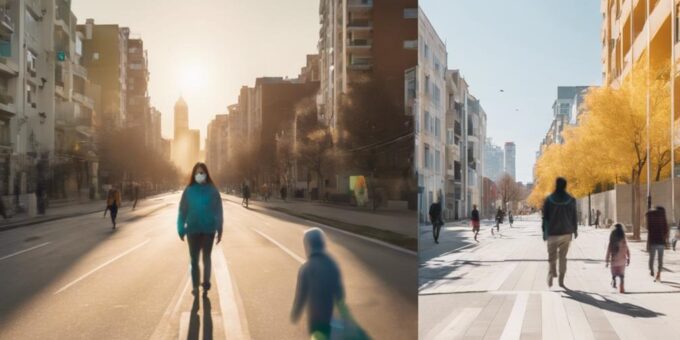
As we emerge from the pandemic, we're witnessing a profound shift in the way we live, work, and interact with our living spaces. We're seeking more space, freshness, and flexibility, driving a shift to suburban and rural living. Healthy buildings with indoor air quality and wellness-centric design are gaining importance. Virtual home buying and renovation are on the rise, and multifamily housing is evolving with a focus on wellness, sustainability, and smart tech. With low interest rates driving demand, we're seeing a surge in new construction and refinancing. As we navigate this new landscape, there's more to discover about the evolving real estate market.
Shift to Suburban and Rural Living
As we venture out of the pandemic's shadow, are we witnessing a permanent shift in our living preferences, with the suburbs and rural areas emerging as the new hubs of residential activity? It's undeniable that the pandemic has drastically altered our way of life, and our living choices are no exception. We're trading in the hustle and bustle of city life for the tranquility and spaciousness of suburban and rural areas.
We're seeking more than just a change of scenery; we're craving a better quality of life. The pandemic has forced us to reevaluate our priorities, and it's becoming clear that proximity to nature, clean air, and a stronger sense of community are now at the top of our list. As a result, we're witnessing a mass exodus from densely populated cities to areas that offer a more relaxed pace of life.
This shift is largely driven by the desire for more space, both indoors and outdoors. We're looking for homes with backyards, where our kids can play freely, and we can host family gatherings without feeling cramped. We're also drawn to areas with plenty of parks, trails, and outdoor recreational activities, where we can reconnect with nature and maintain a healthy work-life balance. As we adapt to this new normal, it's clear that the suburbs and rural areas are poised to become the epicenter of residential activity, offering a unique blend of comfort, convenience, and tranquility.
Rise of Virtual Home Buying
We're not only changing where we live but also how we're buying homes, with virtual home buying becoming an increasingly popular trend in the post-pandemic real estate market. As we navigate this new normal, it's becoming clear that the traditional home-buying process is undergoing a significant transformation. With the rise of virtual tours, 3D walkthroughs, and online listings, we're no longer limited by geography or physical proximity to explore potential homes.
We're now able to browse properties from the comfort of our own homes, eliminating the need for lengthy open houses and in-person viewings. This shift is not only convenient but also allows us to make more informed decisions, as we can revisit properties online and compare features at our own pace. Additionally, virtual home buying is also reducing the environmental impact of home buying, with fewer physical visits and reduced carbon footprint.
Virtual home buying also means that we're no longer limited by physical boundaries. We can now explore properties across the country, or even internationally, with ease. This opens up new opportunities for those looking to relocate or invest in real estate. As technology continues to advance, we can expect virtual home buying to become even more sophisticated, with augmented reality and artificial intelligence set to play a bigger role in the future. One thing is certain – the way we buy homes is changing, and we're excited to see where this trend takes us.
Increased Focus on Healthy Buildings
As we navigate the post-pandemic real estate landscape, we're shifting our attention to the importance of healthy buildings. We're looking for spaces that prioritize our well-being, and that means designing structures that promote air quality control and wellness-centric design. By doing so, we're not only creating healthier environments but also increasing the value of our properties.
Air Quality Control
With an increased awareness of the importance of indoor air quality, we're prioritizing healthy buildings that incorporate advanced air filtration systems and natural ventilation strategies. This shift is vital, as we've come to realize that the air we breathe indoors can be up to five times more polluted than outdoor air. By integrating high-performance air filtration systems, we can greatly reduce the concentration of airborne pollutants, creating a healthier environment for occupants.
We're also seeing a growing emphasis on natural ventilation strategies, such as operable windows, clerestory windows, and solar chimneys. These design elements not only improve indoor air quality but also reduce the need for mechanical cooling and heating systems, leading to energy savings and lower carbon emissions. As we move forward, we expect to see a rise in buildings that combine advanced air filtration with natural ventilation strategies, setting a new standard for healthy and sustainable buildings. By prioritizing air quality control, we're building a healthier, more resilient future for ourselves and future generations.
Wellness-Centric Design
By integrating biophilic design elements, such as living walls and green roofs, into building architecture, we're creating spaces that not only promote physical health but also support mental well-being. This shift towards wellness-centric design is a direct response to the pandemic, as people prioritize their health and safety above all else. We're seeing a growing demand for buildings that incorporate natural light, ventilation, and air purification systems to reduce the spread of airborne pathogens. Additionally, we're incorporating smart building technologies that monitor and respond to indoor environmental quality, ensuring a healthier indoor environment.
As we move forward, we expect to see a greater emphasis on designing spaces that promote occupant wellness. This might include features like circadian-friendly lighting, acoustic comfort, and even biometric sensors to monitor stress levels. By prioritizing occupant health and well-being, we're not only creating healthier buildings but also contributing to a more sustainable and resilient future. As we navigate the post-pandemic landscape, we're committed to designing spaces that support our collective well-being, one building at a time.
Remote Workspaces Redefine Office Space
As we navigate the post-pandemic real estate market, we're seeing a significant shift in the way we approach office space. With the rise of remote work, we're demanding more flexible workspaces that can adapt to our new normal. We're shifting towards hybrid offices and virtual teams, redefining what it means to "go to work" altogether.
Flexible Workspace Demands Rise
We're witnessing a seismic shift in the way we work, and it's driving up demand for flexible workspaces that can accommodate the new normal of remote collaboration. As we adapt to this new reality, we're seeing a surge in demand for flexible, amenity-rich workspaces that can support the evolving needs of remote teams.
| Feature | Pre-Pandemic | Post-Pandemic |
|---|---|---|
| Workspace Layout | Fixed, assigned desks | Flexible, modular layouts |
| Technology Integration | Limited, outdated systems | Advanced, cloud-based platforms |
| Amenities | Limited, basic offerings | Thorough, wellness-focused perks |
| Lease Terms | Long-term, inflexible contracts | Short-term, flexible agreements |
As we navigate this new landscape, it's clear that flexible workspaces are no longer a nice-to-have, but a must-have for companies looking to attract and retain top talent. We're seeing a shift towards human-centric design, with an emphasis on wellness, comfort, and community-building. As the demand for flexible workspaces continues to rise, we can expect to see a significant shift in the way we design, occupy, and interact with our workspaces.
Shift to Hybrid Offices
Our traditional notion of office space is giving way to hybrid offices, where remote workspaces seamlessly integrate with physical locations to create a new, more agile work environment. We're no longer tied to traditional 9-to-5 schedules or confined to a single desk. With hybrid offices, we can choose when and where we work, allowing for greater flexibility and autonomy. This shift is driven by the need for companies to attract and retain top talent, who increasingly expect flexibility and work-life balance.
As we navigate this new landscape, we're seeing a rise in coworking spaces, shared offices, and virtual hubs. These hybrid offices are designed to foster collaboration, innovation, and creativity, while also providing the flexibility and autonomy that employees crave. We're also seeing a shift towards more experiential office spaces, with amenities like wellness centers, rooftop gardens, and on-site childcare. As we adapt to this new normal, we're excited to see how hybrid offices will continue to evolve and shape the future of work.
Virtual Teams Redefine Space
By embracing remote workspaces, we're redefining the concept of office space, where virtual teams can thrive without the constraints of traditional physical locations. We're no longer bound to a specific address or geography, and this freedom is revolutionizing the way we work. With digital tools and platforms, we can collaborate seamlessly, share ideas, and innovate together, regardless of our physical whereabouts.
As we adapt to this new normal, we're witnessing a shift in the way we occupy and utilize office spaces. Gone are the days of cramped, cookie-cutter cubicles and lengthy commutes. Instead, we're opting for flexible, hybrid models that blend the best of both worlds – the comfort and convenience of remote work, paired with the social benefits and networking opportunities of in-person collaboration. This evolution is forcing us to rethink our relationship with physical office spaces, and we're discovering that less can be more. By discarding the need for traditional office real estate, we're opening up new possibilities for urban development, community engagement, and environmental sustainability.
Changing Roles of Real Estate Agents
As the pandemic reshapes the real estate landscape, agents are increasingly taking on more consultative roles, becoming trusted advisors rather than mere transaction facilitators. We’re seeing a shift from agents solely focused on closing deals to ones who provide valuable insights and guidance throughout the entire homebuying process. This new dynamic requires agents to be well-versed in local market trends, zoning regulations, and even pandemic-related health and safety protocols. Buyers and sellers alike now rely on agents to help them navigate potential pitfalls, ensuring they make informed decisions that align with their long-term goals. By educating clients on financial considerations, market conditions, and common real estate investment mistakes, agents can help them avoid costly errors. This advisory approach not only builds trust but also fosters long-lasting relationships in an ever-evolving market.
We're adapting to this new reality by honing our skills in areas like communication, negotiation, and problem-solving. We're becoming experts in virtual tours, digital marketing, and online transaction management. Our role is no longer just about showing properties and filling out paperwork; we're now strategic partners, helping clients navigate the complexities of buying and selling in a detailed manner in a post-pandemic world.
This evolution in our role also means we're working more closely with other professionals, like lenders, attorneys, and contractors. We're building relationships with local business owners, community leaders, and even health experts to provide our clients with an in-depth understanding of the market and its nuances. By embracing this new paradigm, we're positioned to deliver more value to our clients and ultimately, thrive in a rapidly changing real estate landscape.
Boom in Renovation and Remodeling
As we navigate the post-pandemic real estate market, we're witnessing a significant shift in homeowner behavior. Nearly 70% of homeowners are opting to renovate or remodel their current homes instead of buying new ones, sparking a surge in the renovation and remodeling sector. This trend is driven by the desire for comfort, flexibility, and sustainability in our living spaces.
We're seeing homeowners prioritize functional spaces that cater to their new lifestyles, which often involve remote work, virtual learning, and social distancing. This has led to an increased demand for renovation and remodeling services, as homeowners seek to optimize their existing properties.
Some key areas of focus in this boom include:
- Sustainable design: Homeowners are incorporating eco-friendly materials, energy-efficient systems, and renewable energy sources to reduce their carbon footprint.
- Flexible layouts: Open-plan living, multi-functional rooms, and adaptable spaces are becoming increasingly popular to accommodate changing lifestyles.
- Smart home technology: Integration of smart devices, voice-controlled systems, and automation is on the rise, enhancing convenience, security, and energy efficiency.
As we move forward, it's clear that the renovation and remodeling sector will continue to thrive, driven by homeowners' desires for comfort, sustainability, and functionality.
New Trends in Multifamily Housing
We're witnessing a paradigm shift in multifamily housing, where developers and architects are incorporating innovative designs, amenities, and technologies to cater to the evolving needs of renters and buyers. With the pandemic accelerating the demand for flexible and comfortable living spaces, we're seeing a surge in multifamily developments that prioritize wellness, sustainability, and community engagement.
One of the most notable trends is the integration of smart home technology, enabling residents to control their living environment remotely. We're also seeing a growing emphasis on outdoor spaces, with rooftop gardens, courtyards, and communal areas that foster social connection and a sense of community. Additionally, developers are incorporating wellness-focused amenities, such as yoga studios, meditation rooms, and on-site fitness centers, to promote a healthy work-life balance.
Another trend gaining traction is the incorporation of co-working spaces within multifamily developments, allowing residents to work remotely while still being part of a community. This shift towards hybrid living and working spaces is likely to continue, as people increasingly seek flexibility and convenience in their living arrangements. As we move forward, we can expect to see even more innovative designs and amenities that prioritize resident experience and well-being.
Impact of Low Interest Rates
With low interest rates dominating the financial landscape, we're reaping the benefits of increased affordability and accessibility in the real estate market. As buyers, we're enjoying lower mortgage payments and more purchasing power, which is driving demand and stimulating the market. This is particularly true for first-time homebuyers, who are now able to enter the market more easily.
The impact of low interest rates is multifaceted, and we're seeing several key trends emerge. Some of the most notable effects include:
- Increased demand for housing: With lower mortgage payments, more people are able to buy homes, driving up demand and pushing prices upward.
- Refinancing boom: Homeowners are taking advantage of low rates to refinance their mortgages, freeing up cash and reducing their monthly payments.
- New construction surge: With borrowing costs low, developers are more likely to break ground on new projects, which will help alleviate the housing shortage in many areas.
As we move forward, it's likely that low interest rates will continue to shape the real estate market. We can expect to see continued growth and increased activity, particularly in areas with high demand and limited supply. As buyers, we should be prepared to act quickly when we find a property we like, and be prepared to negotiate in a competitive market.
Frequently Asked Questions
Will Home Prices Decrease With Increased Inventory Post-Pandemic?
We're wondering if home prices will take a hit once inventory increases. Historically, when there are more homes on the market, prices tend to stabilize or even drop. But will that happen now? We think it's possible, especially if interest rates stay low and buyers have more options. As inventory grows, we'll be keeping a close eye on prices – and our wallets – to see if they'll finally become more affordable.
How Will Pandemic-Era Rental Assistance Impact Future Rent Prices?
We're wondering how pandemic-era rental assistance will shape future rent prices. Honestly, it's a complex issue. On one hand, rental assistance has helped many stay afloat during the pandemic. On the other hand, it's created a false sense of security, delaying the inevitable rent increases. We think it'll lead to a rent price surge once the assistance ends, as landlords try to recoup losses. It's a delicate balance, and we're watching closely to see how it unfolds.
Are Smart Home Features Now a Must-Have for Homebuyers?
Are we willing to sacrifice a fancy kitchen for a smart thermostat? As we navigate the new normal, we're realizing that smart home features are no longer a luxury, but a necessity. We're looking for homes that can adapt to our changing lifestyle, and smart features are becoming a top priority. In fact, we're willing to pay a premium for homes with advanced tech, proving that smart home features are now a must-have for many homebuyers.
Will Pandemic-Driven Design Trends Influence New Construction?
We're seeing pandemic-driven design trends shape new construction in significant ways. With people spending more time at home, there's a growing demand for functional, flexible spaces that facilitate work, wellness, and entertainment. As a result, we're incorporating features like dedicated home offices, outdoor living areas, and wellness-focused amenities into new builds. It's clear that the pandemic has permanently impacted the way we think about home design.
Can I Still Get a Good Deal on a Home in a Buyer's Market?
Finding a good deal on a home in a buyer's market is like spotting a rare bird in the wild – it takes patience and a keen eye. We're scouring the market, and yes, we can still snag a great deal. With inventory high and prices low, we're in the driver's seat. We're negotiating like pros, and sellers are willing to compromise. We're finding hidden gems, and our wallets are thanking us.
