
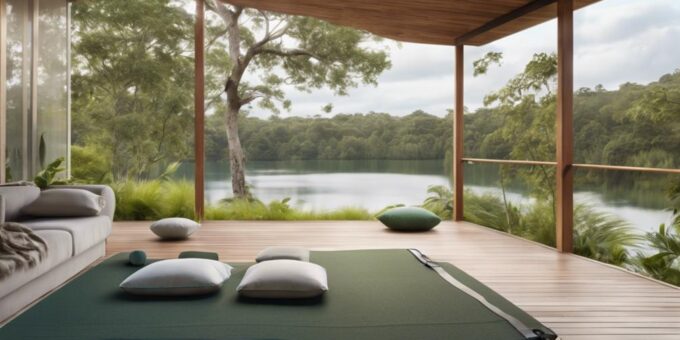
We're witnessing a seismic shift in the real estate market, where the priority on wellness-driven features has become the new standard in homebuying, with 75% of homebuyers considering wellness features essential or desirable. Developers are incorporating innovative wellness-driven amenities, and we're seeing a surge in wellness-centric developments. From green spaces and biophilic design to sustainable construction materials and technology integration, the focus is on creating healthy and sustainable living spaces. As we explore the latest market trends, it's clear that wellness-driven real estate is here to stay – and there's more to uncover about what's driving this movement.
Wellness Features in High Demand
As we increasingly prioritize our well-being, we're seeking out residential spaces that proactively support our health and wellness, driving up demand for properties with wellness-focused features. This shift in consumer behavior is prompting developers to incorporate innovative wellness-driven amenities into their projects. From air-purifying systems to meditation rooms, these features are becoming a key selling point for prospective buyers.
We're willing to pay a premium for homes that promote our physical and mental well-being. A recent survey found that 75% of homebuyers consider wellness features essential or desirable in their next home purchase. This growing demand has led to a surge in wellness-centric developments, with many projects boasting state-of-the-art fitness centers, organic gardens, and even on-site health services.
As we become more health-conscious, we're redefining what constitutes a desirable living space. We want our homes to be a sanctuary, not just a roof over our heads. Developers are responding by incorporating biophilic design elements, such as natural light, green walls, and outdoor spaces, to create a seamless shift between indoor and outdoor living. By prioritizing wellness in real estate, we're not just buying a home – we're investing in our overall quality of life.
The Rise of Healthy Buildings
We're witnessing a paradigm shift in building design, where architects and developers are prioritizing occupant health and well-being by incorporating evidence-based wellness features into their structures. This shift is driven by the growing demand for healthy buildings that promote occupant well-being and productivity. As a result, we're seeing a surge in the development of healthy buildings that not only improve indoor air quality but also provide ample natural light, comfortable thermal conditions, and access to natural outdoor spaces.
Healthy buildings are designed to support the physical and mental health of their occupants. These buildings incorporate features such as:
- Advanced air filtration systems that remove pollutants and allergens from the air, improving indoor air quality.
- Circadian-friendly lighting that simulates natural daylight, supporting our natural sleep-wake cycles.
- Acoustic comfort that minimizes distractions and promotes focus and productivity.
Green Spaces for Mental Clarity
As we prioritize wellness in our living spaces, we're recognizing the importance of green spaces in promoting mental clarity. We're seeking out urban oases that bring balance to our fast-paced lives, and incorporating biophilic design elements that reconnect us with nature. By doing so, we're creating spaces that nurture our minds and bodies, and ultimately, improve our overall well-being.
Urban Oases for Wellness
We crave urban oases that serve as serene escapes from the chaos of city life, providing a tranquil atmosphere that rejuvenates our minds and revitalizes our spirits. These green spaces are essential for our well-being, allowing us to unplug and recharge in the midst of bustling urban environments. As we navigate the stresses of daily life, we need these urban oases to calm our minds and soothe our souls.
Some key features of these urban oases include:
- Lush vegetation: Incorporating a variety of plants and trees that provide shade, purify the air, and create a sense of serenity.
- Water features: Incorporating fountains, ponds, or other water elements that create a calming ambiance and mask city noises.
- Secluded seating areas: Providing cozy nooks and crannies where we can sit, relax, and disconnect from the hustle and bustle of city life.
Biophilic Design Elements
Incorporating biophilic design elements, such as living walls, green roofs, and indoor gardens, into our living and workspaces can have a significant impact on our mental clarity, fostering a deeper connection with nature that calms our minds and sparks creativity. We've seen how these elements can reduce stress and anxiety, improving our overall well-being. By bringing the outdoors in, we're able to create a sense of calm and tranquility, even in the midst of a bustling city.
We're drawn to spaces that incorporate natural elements, as they have a profound impact on our mood and productivity. Green spaces have been shown to improve focus and concentration, making them an essential component of wellness-driven design. As we move forward in this new era of wellness-driven real estate, it's clear that biophilic design elements will play a crucial role in shaping the spaces we inhabit. By embracing nature-inspired design, we're creating environments that nurture our minds, bodies, and spirits.
Nature-Inspired Amenities
By integrating nature-inspired amenities, such as rooftop gardens and outdoor yoga spaces, into our living and working environments, we're able to create oases of calm amidst the chaos of urban life. These green spaces are essential for our mental clarity, allowing us to recharge and refocus. In fact, studies have shown that spending time in nature can reduce stress levels, improve mood, and even boost productivity.
To create a truly wellness-driven living or working space, we're incorporating the following nature-inspired amenities:
- Rooftop gardens: providing a serene escape from the hustle and bustle of city life, where we can connect with nature and each other.
- Outdoor yoga spaces: offering a tranquil setting for mindfulness practices, helping us cultivate inner peace and balance.
- Living walls and green roofs: bringing the outdoors in, while also improving air quality and reducing urban noise pollution.
Technology Meets Wellness Design
As we explore the intersection of technology and wellness design, we're excited to see how smart home automation can enhance our living spaces. We're also interested in learning more about the healthy building materials that are revolutionizing the industry. By combining these innovative elements, we can create homes that truly support our well-being.
Smart Home Automation
We're leveraging smart home automation to create wellness-driven spaces that seamlessly merge technology with wellness design, allowing residents to thrive in their daily lives. By incorporating smart home technology, we're enabling residents to effortlessly control various aspects of their living space, from lighting and temperature to air quality and entertainment. This fusion of technology and wellness design empowers individuals to curate an environment that supports their unique needs and preferences.
Here are three key ways smart home automation is revolutionizing wellness-driven real estate:
- Personalized ambiance: Smart lighting systems can simulate natural daylight, helping regulate circadian rhythms and boost mood.
- Air quality control: Advanced air purification systems can detect and eliminate pollutants, promoting a healthier breathing environment.
- Stress-reducing ambiance: Smart home automation can create a calming atmosphere, complete with soothing music and gentle lighting, to help residents unwind and relax.
Healthy Building Materials
We're extending our commitment to wellness-driven design by ensuring the materials used in our buildings are as healthy as the spaces they create. The importance of healthy building materials cannot be emphasized enough, as they play a vital role in maintaining a safe and healthy indoor environment. We're dedicated to selecting materials that promote well-being, rather than harming it.
| Material | Benefits |
|---|---|
| Low-VOC Paints | Reduces indoor air pollution, improving respiratory health |
| Natural Fibers | Non-toxic, sustainable, and promotes better air quality |
| Recycled Materials | Reduces waste, conserves natural resources, and lowers carbon footprint |
Sustainable Materials in Construction
Using eco-friendly materials in building construction not only benefits the environment but also enhances the health and well-being of occupants. We've seen a significant shift towards sustainable materials in recent years, and it's not hard to understand why. These materials reduce the carbon footprint of a building, promote a healthier indoor environment, and even boost the overall aesthetic appeal of a space.
We're excited to see developers and architects incorporating sustainable materials into their designs. Here are a few examples of innovative materials we're seeing in the industry:
- Reclaimed wood: Salvaged from old buildings, reclaimed wood reduces waste and adds a touch of character to a space.
- Low-VOC paints: Paints with low volatile organic compounds (VOCs) improve indoor air quality, reducing the risk of respiratory issues and other health problems.
- Bamboo flooring: Bamboo is a highly renewable resource, making it an attractive alternative to traditional hardwood flooring options.
Wellness-Focused Community Living
As we envision the future of wellness-driven real estate, it's clear that community living spaces will play a pivotal role in fostering a culture of collective well-being. We're not just talking about shared amenities like yoga studios and meditation rooms – we're talking about intentional design that promotes social connection, community engagement, and a sense of belonging.
In wellness-focused community living, we're seeing a shift towards co-living spaces that prioritize social connections and shared experiences. This might include community kitchens, co-working spaces, and even on-site wellness programs. The goal is to create an environment where residents can thrive, both individually and collectively.
Here are just a few examples of what we're seeing in wellness-focused community living:
| Feature | Description | Benefits |
|---|---|---|
| Community Kitchens | Shared cooking spaces for socializing and meal prep | Fosters social connections, encourages healthy eating |
| Co-Working Spaces | On-site workspaces for remote workers and entrepreneurs | Encourages collaboration, reduces commute time |
| On-Site Wellness Programs | Yoga classes, meditation sessions, and workshops | Supports physical and mental well-being |
The Cost of Wellness Real Estate
While envisioning the ideal wellness-focused community living spaces, we've got to address the elephant in the room: the cost of incorporating these wellness-driven features into real estate developments. It's no secret that building and maintaining wellness-driven homes and communities comes with a hefty price tag.
As we continue to drive the trend of wellness real estate, it's vital to take into account the financial implications of incorporating wellness-focused features, such as air purification systems, organic gardens, and meditation rooms.
Here are some key factors to take into consideration:
- Higher construction costs: Incorporating wellness-driven features can increase construction costs by up to 20%.
- Increased maintenance expenses: Wellness-focused amenities, such as air purification systems and organic gardens, require regular maintenance, which adds to the overall cost.
- Premium pricing: Wellness-driven homes and communities often come with a premium price tag, making them less accessible to a broader audience.
It’s essential to weigh the benefits of wellness real estate against the added costs. As we move forward, it’s important to strike a balance between creating healthy, sustainable living spaces and making them accessible to a wider range of buyers. Developers and agents must adopt innovative strategies in luxury real estate marketing to highlight the long-term value of wellness-focused homes. By emphasizing energy efficiency, smart home technology, and biophilic design, they can appeal to buyers seeking both comfort and sustainability. Ultimately, the key lies in demonstrating that wellness real estate is not just a luxury but a worthwhile investment in overall well-being.
Future of Wellness-Driven Homes
Moreover, we're now poised to redefine the future of residential living, where wellness-driven homes seamlessly integrate technology, sustainability, and thoughtful design to foster holistic well-being. As we move forward, we're seeing a shift towards homes that not only promote physical health but also prioritize mental and emotional well-being. This means incorporating features like circadian-friendly lighting, air purification systems, and noise-reducing materials to create a serene living environment.
In addition, we're also witnessing a rise in the use of smart home technology that learns and adapts to our habits, preferences, and health goals. From voice-controlled meditation rooms to personalized wellness coaching, these innovative features will become the norm in future wellness-driven homes. Moreover, sustainable building practices and renewable energy sources will become the standard, reducing the carbon footprint of our living spaces.
Looking ahead, we envision homes that are not only healthy and sustainable but also highly adaptable to our changing needs. Modular design, for instance, will allow us to easily reconfigure our spaces as our lifestyles evolve. By combining cutting-edge technology, sustainable practices, and human-centered design, we're creating homes that truly support our well-being. The future of wellness-driven homes is bright, and we're excited to be at the forefront of this revolution.
Frequently Asked Questions
How Do Wellness Features Impact a Property's Resale Value?
When we think about buying a home, we consider how it'll impact our lifestyle and wallet. One key factor is resale value. We've wondered, do features like yoga rooms, meditation gardens, and air-purification systems really boost a property's resale value? The answer is yes. According to studies, wellness features can increase a property's value by up to 10%. We're willing to pay a premium for a home that supports our well-being.
Are Wellness-Driven Homes Only for the Affluent?
We're not buying the idea that wellness-driven homes are only for the affluent. On the surface, it may seem like a luxury reserved for the 1%, but we think that's just scratching the surface. In reality, wellness features can be incorporated into homes at various price points. It's not a one-size-fits-all approach; there are affordable ways to prioritize wellness in home design and construction. We believe that wellness-driven homes can be within reach for many, not just the wealthy few.
Can Wellness Features Be Integrated Into Existing Buildings?
We're curious about incorporating wellness features into existing buildings, and the answer is yes, it's definitely possible! We can retrofit old buildings with sustainable materials, improve natural lighting, and enhance air quality. We can also add wellness-focused amenities like meditation rooms, fitness centers, or rooftop gardens. By doing so, we can create healthier, more appealing spaces that benefit both residents and the environment.
Do Wellness-Focused Communities Have Strict Lifestyle Rules?
We're curious about the level of regulation in wellness-focused communities. Do they have strict lifestyle rules that dictate how residents should live? We've heard rumors of communities that restrict everything from diet to exercise routines. While we appreciate the emphasis on healthy living, we're concerned about the potential for over-regulation. We want to know: are these communities truly supportive of wellness, or do they take it too far?
Are There Any Certifications for Wellness-Driven Real Estate Developers?
Did you know 75% of millennials consider wellness a top priority when choosing a home? We're curious about the credentials behind wellness-driven real estate developers. Luckily, there are certifications like the WELL AP (Well Building Standard Accredited Professional) and Fitwel Ambassador, which recognize developers who prioritize occupant health and well-being. These certifications guarantee that developers meet rigorous standards for wellness-focused design, construction, and operation.
