
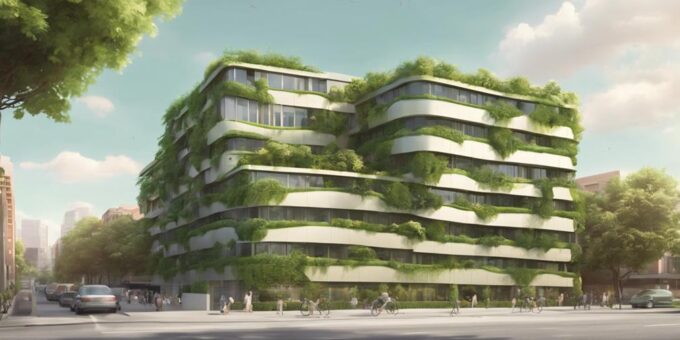
As we invest in real estate, we're discovering that green certification is an essential strategy for boosting property value, attracting eco-friendly buyers and tenants, and reducing operating costs – and it's no coincidence that these benefits are increasingly in demand. By going green, we can command higher prices, lower expenses, and attract health-conscious tenants willing to pay a premium. We're also differentiating our property in a competitive market, demonstrating our commitment to sustainability, and setting ourselves up for long-term success. And that's just the tip of the iceberg – there's even more to uncover about the benefits of green certification.
Boosting Property Value Through Certification
By obtaining green certification, we can greatly enhance our property's value, as eco-friendly features and sustainable practices become major selling points for environmentally conscious buyers. This certification not only appeals to environmentally friendly buyers but also increases our property's marketability. We've found that certified green buildings tend to command higher sale prices and rental rates compared to non-certified buildings.
We've also noticed that green certification helps to differentiate our property from others on the market. In today's competitive real estate market, it's essential to stand out from the crowd. By obtaining certification, we're signaling to potential buyers and tenants that our property is committed to sustainability and environmental responsibility. This, in turn, can lead to increased demand and higher property values.
Furthermore, we've seen that green certification can also lead to cost savings. Energy-efficient features and sustainable practices can significantly reduce energy consumption, resulting in lower utility bills. These cost savings can be a major selling point for potential buyers and tenants, making our property more attractive and valuable.
Attracting Eco-Friendly Buyers and Tenants
As we explore the benefits of green certification for real estate, we're finding that attracting eco-friendly buyers and tenants is a significant advantage. We're seeing a growing demand for sustainable living spaces that align with environmentally conscious lifestyles. By incorporating green features, we can tap into this demand and appeal to a niche market willing to pay a premium for eco-friendly properties.
Eco-Friendly Lifestyle Demands
We’re seeing a surge in demand for eco-friendly living spaces, driven largely by consumers who prioritize sustainability and environmental responsibility. As a result, we’re witnessing a significant shift in the real estate market, where eco-friendly features and certifications have become a major selling point. Developers and real estate agents are adapting to this trend by incorporating energy-efficient appliances, sustainable building materials, and green certifications into their properties. To attract environmentally conscious buyers, it’s crucial to craft effective real estate listings that highlight these eco-friendly features and emphasize long-term cost savings. As this demand continues to grow, properties with sustainable elements are likely to see increased market value and faster sales.
Today's homebuyers and tenants are looking for more than just a roof over their heads; they're seeking a lifestyle that aligns with their values and reduces their carbon footprint. We're finding that properties with green certifications, such as LEED or Energy Star, are increasingly attractive to these eco-conscious consumers. Not only do these certifications guarantee a certain level of sustainability, but they also provide a sense of security and trust for buyers and tenants.
Green Space Premiums Exist
We've come to realize that going green is a major selling point in today's real estate market. Studies have consistently shown that properties with green certifications command a premium, with buyers and tenants willing to pay more for the assurance of a sustainable living space.
This trend isn't surprising, given the growing demand for eco-friendly living. As a result, developers and property owners are taking notice, recognizing the value of green certifications in attracting eco-conscious buyers and tenants. By incorporating sustainable features and materials, properties can command higher prices and rents, making them more attractive to investors.
Here are just a few examples of what we mean by "green space premiums":
- Rooftop gardens: Imagine sipping your morning coffee surrounded by lush greenery, with a breathtaking view of the city skyline.
- Energy-efficient appliances: Picture a kitchen equipped with smart appliances that reduce energy consumption, saving you money and the planet.
- Natural light-filled spaces: Envision a home filled with natural light, reducing the need for artificial lighting and creating a sense of well-being.
Health-Conscious Tenant Base
By incorporating eco-friendly features, we're not only appealing to environmentally conscious buyers and tenants but also attracting a health-conscious tenant base that prioritizes well-being. As we design and develop buildings that promote health and sustainability, we're creating a unique selling point that sets our properties apart. Health-conscious tenants are willing to pay a premium for living and working spaces that support their well-being. By incorporating natural light, air quality monitoring, and non-toxic materials, we're creating an environment that supports their values.
This demographic is particularly attractive as they tend to be long-term tenants, reducing turnover rates and increasing property value. Additionally, health-conscious tenants often prioritize community engagement, fostering a sense of community and social responsibility within the building. As we cater to this growing demographic, we're positioning ourselves as leaders in the real estate industry, leveraging the benefits of green certification to create a competitive edge. By doing so, we're not only attracting a loyal tenant base but also contributing to a healthier, more sustainable future.
Reducing Operating Costs and Waste
Obtaining green certification can greatly lower operating costs and waste in real estate by identifying and addressing inefficiencies in building systems and practices. As we aim to make our properties more sustainable, we're not only doing our part for the environment, but we're also benefiting our bottom line. By implementing energy-efficient systems, reducing water consumption, and minimizing waste, we can markedly reduce our operating expenses.
Here are just a few ways we're reducing waste and saving money:
- Energy-efficient lighting: By switching to LED bulbs, we're using up to 90% less energy than traditional incandescent bulbs.
- Low-flow fixtures: Installing low-flow showerheads, toilets, and faucets helps us conserve water and reduce our water bills.
- Recycling programs: Implementing recycling programs for paper, plastic, and glass helps us reduce waste and minimize our environmental footprint.
Indoor Air Quality and Health Benefits
As we explore the advantages of green certification for real estate, we're now focusing on the vital aspect of indoor air quality and its impact on our health. We're about to discover how green buildings can provide us with cleaner air, healthier living spaces, and reduced respiratory risks. By prioritizing indoor air quality, we can create a healthier environment that benefits both building occupants and the environment.
Clean Air Matters
We spend up to 90% of our time indoors, where pollutants can concentrate at levels two to five times higher than outdoors, making indoor air quality a critical concern for our health. The air we breathe indoors can be filled with pollutants like volatile organic compounds (VOCs), particulate matter, and other toxins that can aggravate respiratory issues, trigger allergies, and even cause long-term health problems.
When we think of air pollution, we often think of outdoor air, but indoor air quality is just as crucial. Green certification guarantees that buildings are designed and constructed with indoor air quality in mind. This includes features like natural ventilation, air filtration systems, and non-toxic building materials.
Here are just a few ways that green certification can enhance indoor air quality:
- Reducing VOCs: By using low-VOC paints, adhesives, and flooring, we can lessen the amount of pollutants in the air.
- Increasing natural light: Large windows and skylights can help decrease the need for artificial lighting and improve air quality.
- Improving ventilation: Proper ventilation systems can eliminate pollutants and moisture from the air, creating a healthier indoor environment.
Healthier Living Spaces
By breathing easier in green-certified spaces, we reduce our exposure to airborne toxins and create healthier living spaces that support our overall well-being. We're not just talking about a slight improvement – we're talking about a significant reduction in indoor air pollutants that can wreak havoc on our health. In traditional buildings, volatile organic compounds (VOCs) from paints, adhesives, and other synthetic materials can contaminate the air, leading to headaches, dizziness, and even long-term health problems. Green-certified buildings, on the other hand, incorporate natural ventilation systems, air filtration systems, and non-toxic materials to minimize VOCs and create a healthier indoor environment. This means we can breathe easier, think clearer, and enjoy a better quality of life. By choosing green-certified spaces, we're investing in our health and well-being – and that's priceless.
Respiratory Risk Reduction
Green-certified buildings significantly reduce our risk of respiratory problems, like asthma and other breathing difficulties, by keeping indoor air pollutants at bay. This is vital, as we spend most of our time indoors, where pollutants can be up to five times higher than outdoors. By incorporating natural ventilation, air filtration systems, and non-toxic materials, green-certified buildings make sure we breathe easy.
Here are a few ways green certification decreases respiratory risks:
- Fewer airborne pollutants: Green buildings use low-VOC (volatile organic compound) paints, adhesives, and flooring, reducing the amount of pollutants we inhale.
- Improved ventilation: Natural ventilation strategies and high-performance air filtration systems remove pollutants and moisture, creating a healthier indoor environment.
- Healthier materials: Green-certified buildings opt for non-toxic, sustainable materials, minimizing the risk of chemical emissions and promoting better indoor air quality.
Enhanced Brand Reputation and Credibility
Moreover, acquiring green certification for our properties can greatly enhance our organization's reputation and credibility in the eyes of environmentally conscious clients and stakeholders. By obtaining certifications like LEED or WELL, we demonstrate our commitment to sustainability and environmental responsibility. This, in turn, increases our appeal to clients who share these values. We're seen as a responsible and forward-thinking organization that cares about the environment and the well-being of our occupants.
This enhanced reputation can lead to increased brand loyalty and retention. Clients are more likely to choose us over competitors who haven't made the same commitment to sustainability. We're also more attractive to top talent, as employees want to work for organizations that share their values. Additionally, our green certification can be a key differentiator in a crowded market, setting us apart from competitors and giving us a competitive edge.
Compliance With Environmental Regulations
We must comply with increasingly stringent environmental regulations, and obtaining green certification helps us stay ahead of these requirements. As real estate developers and owners, we're acutely aware of the need to adhere to evolving environmental standards. With green certification, we can guarantee our properties meet and exceed these regulations, avoiding costly fines and reputational damage. By staying ahead of the curve, we can also anticipate and prepare for future regulations, giving us a competitive edge in the market.
Obtaining green certification demonstrates our commitment to environmental sustainability, and it also helps us navigate the complex web of regulations. Here are just a few ways certification benefits us:
- Streamlined permitting process: With green certification, we can expedite the permitting process, saving time and resources.
- Reduced risk of non-compliance: Certification ensures our properties meet or exceed environmental regulations, minimizing the risk of fines and penalties.
- Improved stakeholder trust: By prioritizing environmental sustainability, we build trust with our stakeholders, including investors, tenants, and the broader community.
Increased Property Occupancy Rates
As we explore the benefits of green certification for real estate, we're excited to discuss how it can lead to increased property occupancy rates. We've found that tenants are increasingly seeking out sustainable and environmentally friendly spaces, and green certification can give property owners a competitive edge in attracting and retaining these tenants. By achieving green certification, we can create a more desirable property that meets the growing demand for eco-friendly spaces, ultimately leading to higher occupancy rates and reduced vacancy cycles.
Higher Tenant Demand
How do green buildings attract tenants who are willing to pay a premium for sustainable spaces, ultimately driving up occupancy rates? We've found that tenants are drawn to green certified buildings because they offer a healthier, more comfortable, and environmentally responsible work environment. This, in turn, boosts employee morale, productivity, and overall well-being. As a result, we've seen higher demand for green spaces, leading to increased occupancy rates and reduced vacancy periods.
Here are just a few reasons why tenants are willing to pay more for green certified spaces:
- Natural Light: Abundant natural light pours in through large windows, reducing the need for artificial lighting and creating a brighter, more uplifting atmosphere.
- Clean Air: Advanced air filtration systems and non-toxic building materials promote a healthier indoor environment, free from pollutants and irritants.
- Serenity: Lush green walls, living roofs, and peaceful outdoor spaces provide a calming oasis in the midst of a bustling city.
Competitive Market Advantage
What sets green certified buildings apart in a crowded market and drives occupancy rates up? We've found that tenants are willing to pay a premium for sustainable spaces that align with their values and contribute to a healthier environment. This competitive advantage translates to higher occupancy rates, as tenants are drawn to buildings that prioritize their well-being and the planet's.
| Green Certification Benefits | Competitive Advantage |
|---|---|
| Increased natural light and ventilation | Higher tenant satisfaction |
| Energy-efficient systems | Reduced operating costs |
| Healthy indoor air quality | Improved employee productivity |
Reduced Vacancy Cycles
By achieving green certification, we're seeing a significant reduction in vacancy cycles, which directly translates to increased property occupancy rates and a more stable revenue stream. This is because tenants are attracted to sustainable buildings that offer a healthier indoor environment, reduced energy consumption, and lower operating costs. As a result, we're experiencing shorter vacancy periods, reduced marketing efforts, and a decrease in rental concessions.
Here are some key benefits we're enjoying:
- Less downtime: With green certification, our properties are leased faster, reducing downtime and increasing cash flow.
- Increased tenant retention: Happy tenants are more likely to renew their leases, reducing turnover and the associated costs.
- Competitive edge: Our certified green buildings stand out in a crowded market, attracting tenants who value sustainability and are willing to pay a premium for it.
Access to Government Incentives and Tax Credits
Since many governments offer financial incentives to encourage sustainable development, we can tap into these benefits by achieving green certification for our real estate projects. This is a significant advantage, as it can help offset the costs associated with building and operating sustainable buildings. By obtaining green certification, we can access a range of government incentives, including tax credits, grants, and low-interest loans.
These incentives can be substantial, and can help make our projects more financially viable. For example, in the United States, the Energy Policy Act of 2005 provides a tax deduction of up to $1.80 per square foot for buildings that achieve certain energy efficiency standards. Similarly, the Internal Revenue Code provides a tax credit of up to 30% of the cost of qualified energy property. These incentives can add up quickly, and can make a significant difference to our bottom line.
In addition to these financial benefits, achieving green certification also sends a strong signal to our stakeholders that we are committed to sustainability. This can help enhance our reputation and build trust with our investors, customers, and the wider community. By accessing government incentives and tax credits, we can create more sustainable and profitable projects that benefit everyone involved.
Competitive Advantage in the Market
How can we differentiate ourselves in a crowded market where every developer is vying for attention and tenants are increasingly eco-conscious? We believe that obtaining a green certification for our real estate projects is the answer. In today's competitive market, it's no longer enough to simply build a structure and expect tenants to flock to it. We need to stand out, and a green certification does just that.
By achieving a green certification, we're not only demonstrating our commitment to sustainability, but we're also setting ourselves apart from the competition. Tenants are willing to pay a premium for sustainable buildings, and we can command higher rents and attract high-caliber tenants who share our values.
Here are just a few ways a green certification gives us a competitive edge:
- Increased property value: A green certification can increase our property value by up to 10%, making our investment more attractive to potential buyers.
- Higher rental income: With a green certification, we can command higher rents, resulting in increased revenue and a faster return on investment.
- Reduced vacancy rates: Tenants are more likely to rent space in a sustainable building, reducing vacancy rates and minimizing lost revenue.
Future-Proofing Real Estate Investments
We're not just constructing structures to last a decade or two, but creating long-term assets that will remain valuable for generations to come, and a green certification is key to future-proofing our real estate investments. By incorporating sustainable design and operations, we can guarantee that our properties remain competitive and attractive to tenants and buyers in the long run.
| Benefits of Green Certification | Future-Proofing Advantages |
|---|---|
| Increased Property Value | Enhanced Resale Value |
| Reduced Operating Costs | Improved Tenant Retention |
| Access to Government Incentives | Reduced Risk of Obsolescence |
Looking ahead, it's evident that sustainability will play an increasingly important role in real estate development. By obtaining green certifications, we can showcase our dedication to environmental stewardship and social responsibility. This not only boosts our reputation but also helps to attract tenants and buyers who share these values. Additionally, green certified buildings have been shown to have higher occupancy rates, lower vacancy rates, and higher rental yields, making them a more appealing investment opportunity.
Frequently Asked Questions
How Long Does the Green Certification Process Typically Take?
"Rome wasn't built in a day," and neither is a green certification! Typically, the process takes around 3-6 months, but it can vary depending on the complexity of the project and the certifying body. We've found that preparation is key, so we make sure to gather all necessary documents and data before submitting our application. With a clear plan and a smooth process, we can get certified in no time!
Are Green Certifications Only Available for New Construction Projects?
We're glad you asked – no, green certifications aren't limited to new construction projects! While it's true that many new builds are designed with sustainability in mind, existing buildings can also pursue green certifications. In fact, many older buildings are great candidates for retrofits and upgrades that can help them earn certifications like LEED or WELL. We've seen it happen, and the results are amazing!
Can Individual Units Within a Building Be Certified Separately?
Here's the answer:
"We're often asked if individual units within a building can be certified separately, and the answer is yes! While it's more common to certify entire buildings, some green certification programs, like LEED, do offer options for individual units. This flexibility is especially useful for condos or apartments where owners want to showcase their eco-friendly features. We've seen it done, and it's a great way to stand out in a competitive market."
Do Green Certifications Need to Be Renewed Periodically?
We're wondering, do green certifications need to be renewed periodically? The answer is yes, they do. Most green certifications, like LEED or WELL, require renewal after a certain period, usually 3-5 years. This guarantees that buildings continue to meet the certification's standards and maintain their sustainability performance. We need to stay on top of renewal deadlines to keep our certification current and our building's reputation intact.
Are Green Certifications Only Beneficial for Commercial Properties?
We've seen how a green certification can be the "icing on the cake" for a property, making it more attractive to buyers and renters. But are these certifications only beneficial for commercial properties? Not necessarily. While commercial properties may reap more significant financial benefits, residential properties can also benefit from increased property values and improved marketability. In fact, a study found that green-certified homes sell for 10% more than non-certified homes.
