In the bustling world of real estate, efficient management of construction and renovation waste is pivotal. Whether it’s a major development project or a simple home renovation, the presence of a dumpster on-site can streamline the process, ensuring that waste is collected and disposed of efficiently. This blog post will explore the various benefits of dumpster rental in real estate, delve into the types of dumpsters available, discuss cost considerations, and outline legal and environmental factors to consider, making it an indispensable guide for anyone involved in real estate.
Benefits of Dumpster Rental in Real Estate
Efficiency in Waste Management
One of the most significant advantages of renting a dumpster is the improved efficiency it brings to waste management on a property. Large containers placed strategically on-site can handle all kinds of waste, from old roofing materials and broken tiles to yard debris and general construction waste. This centralized waste management helps keep the site clean and organized, which not only improves safety but also enhances productivity by reducing the time spent on waste handling.
Cost-Effectiveness
Dumpster rentals are a cost-effective solution compared to other waste removal options. By choosing the right size and type of dumpster for a project, real estate developers and homeowners can avoid the higher fees associated with multiple hauls by smaller vehicles. Moreover, streamlined waste management reduces labor costs associated with handling, thus optimizing overall project expenses.
Environmental Benefits
Renting a dumpster also supports environmental sustainability. Many dumpster rental companies offer services that include the sorting and recycling of waste materials. By ensuring that reusable materials are properly recycled, real estate professionals can contribute to reducing landfill use and promoting resource conservation, aligning with green building practices that are increasingly valued in today’s market.
Types of Dumpsters and Their Uses
Roll-off Dumpsters
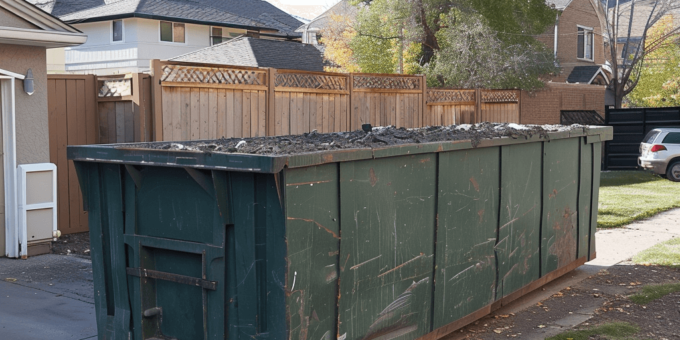
Roll-off dumpsters are the most common type used in both residential and commercial real estate projects. These are large, rectangular containers with an open top, designed to be transported by special roll-off trucks. They come in various sizes, typically ranging from 10 to 40 cubic yards, making them ideal for handling substantial amounts of waste from demolitions, renovations, or new construction.
Commercial Dumpsters
Commercial dumpsters are smaller than roll-offs and are commonly found behind restaurants, in alleys of multi-family units, or in the service areas of commercial buildings. They are used for regular waste disposal from businesses and are emptied on a recurring schedule. Unlike roll-offs, they have lids and are more permanent fixtures.
Specialty Dumpsters
For projects that involve hazardous materials or unique waste types like heavy items (e.g., concrete), specialty dumpsters are required. These dumpsters are designed to handle specific kinds of waste safely and in compliance with local regulations, ensuring that toxic or heavy materials are disposed of correctly.
Understanding Dumpster Rental Costs
Factors Affecting Costs
The cost of renting a dumpster can vary significantly based on several factors: the size of the dumpster, the duration of the rental, and the location of the project. Larger dumpsters and longer rental periods typically cost more, but provide more convenience for bigger projects. Geographic location also plays a role, as fees and availability can vary widely from one area to another.
Average Pricing Models
Most dumpster rental daphne al companies offer two pricing models: flat-rate and variable-rate. Flat-rate pricing includes delivery, pickup, disposal fees, and a set weight limit, providing clear pricing upfront. Variable-rate pricing can fluctuate based on the actual weight of the disposed materials, which might be beneficial for lighter projects.
Tips for Reducing Costs
To minimize rental costs, accurately estimate the size of the dumpster needed to avoid paying for unused space. Additionally, negotiating the terms of rental can sometimes yield better rates or more flexible rental periods, especially for frequent or long-term needs.
Legal and Regulatory Considerations
Permits
Depending on the location, a permit may be required to place a dumpster on public property, such as a street or sidewalk. It’s crucial to check local ordinances and obtain the necessary permits to avoid fines and ensure that the placement of the dumpster does not obstruct traffic or violate any community rules.
Restrictions
Many areas have specific restrictions on what can be thrown into dumpsters, particularly regarding hazardous materials like electronics, chemicals, or asbestos. Understanding and adhering to these restrictions is essential to avoid legal issues and potential harm to the environment.
Best Practices
Following best practices such as securing the dumpster, placing it on a solid surface, and not overfilling it can help comply with local regulations and ensure safety on-site.
Environmental Considerations
Responsible Disposal
Choosing a dumpster rental company that follows responsible disposal practices is crucial. These companies should have the capability to sort recyclable materials and dispose of waste according to local environmental laws.
Recycling Options
Incorporating recycling into the waste management plan of a real estate project can significantly reduce the environmental impact. Some companies provide separate dumpsters for recyclable materials, ensuring that these do not end up in landfills.
Impact on the Community
Proper placement and use of dumpsters can minimize their impact on the surrounding community. Ensuring that they do not block public areas, cause traffic issues, or become an eyesore can help maintain good relationships with neighbors and the community at large.
Understanding the intricacies of dumpster rental is crucial for anyone involved in real estate. It not only helps in managing waste efficiently but also plays a significant role in cost management, legal compliance, and environmental sustainability. By considering the types of dumpsters available, cost factors, and legal and environmental aspects, real estate professionals can make informed decisions that enhance their projects and contribute positively to their communities. Additionally, selecting the right dumpster size and scheduling timely pickups can prevent project delays and maintain site cleanliness. Real estate professionals must also consider why location matters in real estate, as accessibility to waste disposal services can impact both operational efficiency and overall project costs. Proper planning ensures compliance with local regulations while promoting sustainable waste management practices.
