
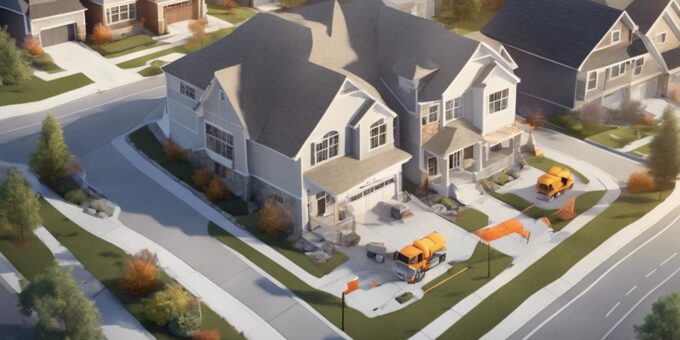
As we construct our dream home, we must consider the legal and regulatory landscape that can make or break our project. We need to secure necessary permits and licenses, ensuring we comply with zoning laws and building codes. Environmental regulations and permits must also be considered, as well as dealing with neighbors and potential disputes. It's essential we stay informed and up-to-date on changing regulations to avoid costly revisions or fines. As we build our home, we'll uncover more about managing these complexities and ensuring a smooth, successful project.
Obtaining Necessary Permits and Licenses
Before breaking ground on our dream home, we must secure the necessary permits and licenses to guarantee compliance with local regulations and avoid costly delays or even project shutdowns. This vital step ensures that our construction project meets the required building codes, zoning ordinances, and environmental standards.
We'll need to obtain a building permit, which typically involves submitting our construction plans and paying the required fees. The permit process usually involves a plan review, inspections, and approvals from the local authorities. We should also obtain an electrical permit, plumbing permit, and HVAC permit, as these require separate inspections and approvals.
Additionally, we may need to obtain special permits, such as a septic permit, well permit, or environmental permit, depending on our location and project scope. It's essential to research and comply with all the necessary permits and licenses to avoid any legal issues or project setbacks. We should also consider hiring a professional to help us navigate the permitting process, especially if we're new to building a home.
Zoning Laws and Land Use
Having obtained the necessary permits and licenses, we must now verify that our dream home complies with local zoning laws and land-use regulations, which dictate how we can use our land and what we can build on it. These laws and regulations are in place to confirm that our property development aligns with the community's vision and goals. We need to validate that our home's design, size, and placement on the land conform to the zoning ordinances.
Zoning laws regulate aspects such as:
- Land use: What activities are allowed on our property, such as residential, commercial, or agricultural use.
- Building height and size: The maximum height and size of our home, as well as the minimum lot size required.
- Setbacks: The minimum distance our home must be set back from the property lines, streets, and adjacent properties.
- Density: The maximum number of dwellings allowed per acre of land.
We must carefully review the local zoning ordinance to validate that our dream home meets all the requirements. Failure to comply with these regulations can result in costly revisions, fines, or even project abandonment. By understanding and adhering to these regulations, we can avoid potential issues and ensure a smooth construction process.
Compliance With Building Codes
We must guarantee our dream home complies with local building codes, which dictate the minimum standards for design, materials, and construction methods. These codes ensure that our home is safe, accessible, and energy-efficient. We’ll need to research and understand the specific codes that apply to our project, as they vary by region and even by type of building. Additionally, securing the necessary permits will be crucial to avoid costly delays or legal issues during construction. Understanding these regulations can also impact budgeting and planning, which is essential when financing your dream home. By staying informed and working with experienced professionals, we can ensure a smooth building process that meets all requirements.
We'll need to take into account factors like structural integrity, fire safety, and accessibility for people with disabilities. Our design and construction plans must meet or exceed these standards to avoid costly rework or even demolition. It's essential to involve local authorities and inspectors throughout the process to make sure we're on the right track.
Building codes also cover essential systems like plumbing, electrical, and HVAC. We'll need to specify materials and installation methods that meet code requirements. For example, we might need to use fire-resistant materials in certain areas or install smoke detectors in specific locations.
It's our responsibility as homeowners to ensure compliance, so we'll need to stay informed and up-to-date on changing regulations. We'll work closely with our architects, engineers, and contractors to make sure that our dream home not only meets but exceeds local building codes. By doing so, we'll create a safe, comfortable, and sustainable living space that we can enjoy for years to come.
Environmental Regulations and Permits
As we commence our home-building journey, numerous environmental regulations and permits will dictate how we impact the natural surroundings. It's essential to understand the rules and regulations that govern our construction project, ensuring we minimize our ecological footprint. We'll need to obtain the necessary permits, licenses, and approvals before breaking ground, which can be a time-consuming process.
Environmental regulations and permits vary depending on the location, type of construction, and potential environmental impact. We must comply with local, state, and federal regulations, which can be overwhelming. To navigate this complex process, we'll likely need to consult with environmental consultants, attorneys, and local authorities.
Here are some key environmental regulations and permits to take into account:
- Endangered Species Act (ESA) permits: If our construction site is near a protected species' habitat, we may need to obtain an ESA permit.
- Wetland permits: If our project involves building near wetlands, we'll need to obtain a permit from the U.S. Army Corps of Engineers.
- Clean Water Act (CWA) permits: We may need to obtain a CWA permit if our construction involves discharging pollutants into nearby waterways.
- Environmental Impact Assessment (EIA) reports: In some cases, we'll need to conduct an EIA to assess our project's potential environmental impact.
Dealing With Neighbors and Disputes
Now that we've navigated the complex web of environmental regulations, we must also consider the people closest to our construction site: our neighbors. As we build our dream home, it's essential to maintain a positive relationship with those living nearby. After all, we'll be living in close proximity for years to come. Building a good rapport with our neighbors can make all the difference in avoiding potential disputes down the line.
We should take the initiative to introduce ourselves, explain our construction plans, and offer to keep them informed about the project's progress. This open communication can help alleviate concerns and prevent misunderstandings. It's also vital to be respectful of their property and privacy, ensuring our construction doesn't encroach on their land or disrupt their daily lives.
However, despite our best efforts, disputes can still arise. If a disagreement does occur, we should try to resolve the issue amicably through open dialogue. If necessary, we can seek mediation from a neutral third party to find a mutually beneficial solution. In extreme cases, we may need to consult with our lawyer to protect our interests. By being proactive and respectful, we can minimize the risk of disputes and build a positive relationship with our neighbors.
Frequently Asked Questions
Can I Build a Home on a Flood-Prone Area?
As we gaze out at the medieval castle's moat, we're reminded that even ancient builders knew to avoid flood-prone areas. Can we build a home in such an area? Honestly, we'd advise against it. Floods can be devastating, and the risks just aren't worth it. We'd have to navigate a sea of regulations, from zoning laws to environmental permits. It's a headache we don't need. Instead, let's find a safer, drier spot to lay our foundation.
Do I Need a Permit for a Small Renovation Project?
We're wondering if we need a permit for our small renovation project. Honestly, it depends on the scope and location of the project. Typically, permits are required for major changes, like electrical or plumbing work. But for minor cosmetic updates, like painting or replacing fixtures, a permit might not be necessary. We'll need to check with our local government to determine the specific requirements for our area.
Are There Special Permits for Building a Green Home?
When considering going green, we remember our friend Sarah, who installed solar panels on her roof without realizing she needed a special permit. Luckily, her mistake was an eye-opener! Now, when building a green home, we are aware of the importance of checking local regulations. In fact, many cities offer incentives for eco-friendly features, but require specific permits. We've learned that some areas have separate permits for green roofs, rainwater harvesting systems, or energy-efficient systems. It's essential to research and obtain the necessary permits to avoid costly rework or even fines.
Can I Commence Construction Without a Final Inspection?
We can't emphasize enough how essential it is to get a final inspection before breaking ground. Commencing construction without one can lead to costly rework, or even worse, put the entire project on hold. We've seen it happen to others, and trust us, it's not worth the risk. We need to confirm everything is up to code and meets regulations before we start building. So, let's wait for that final thumbs-up before we begin.
Will a Neighbor's Objection Stop My Construction Project?
We're worried that a neighbor's objection might halt our construction project. Generally, if a neighbor raises a legitimate concern, we'll need to address it before moving forward. But, it depends on the specific circumstances and the laws in our area. If the objection is unfounded, we might be able to continue building after providing some clarification. We'll need to consult with local authorities to determine the best course of action.
