
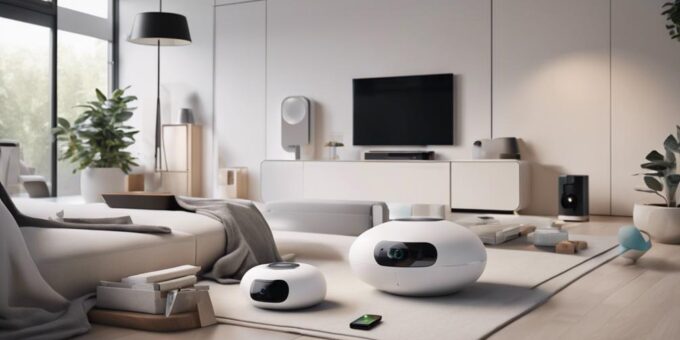
This year's top smart home gadgets offer a wide range of innovative solutions to transform your living space into a seamless, efficient, and comfortable haven. Voice-controlled speakers, like Amazon Echo and Google Home, serve as the nerve center of smart homes, enabling control of lighting, temperature, security, and entertainment systems via voice commands. Energy-efficient smart thermostats learn schedules and preferences to optimize energy efficiency. AI-powered security systems, smart locks, and advanced kitchen appliances enhance safety, convenience, and independence. Explore the latest smart home devices that will revolutionize your daily life in unprecedented ways, and discover how they can be integrated to create a truly automated home.
Top Smart Speakers for Seamless Control
With the proliferation of smart home devices, the humble speaker has evolved into a hub of seamless control, effortlessly integrating disparate systems and devices into a harmonious whole. This evolution has given rise to a plethora of smart speakers that have transformed the way we interact with our homes. Top smart speakers, such as Amazon Echo and Google Home, have become the nerve center of smart homes, allowing users to control lighting, temperature, security, and entertainment systems with mere voice commands.
These speakers have also enabled seamless integration with other smart devices, enabling features like voice-controlled shopping, news updates, and even personalized assistance. Moreover, they have opened up new avenues for individuals with disabilities, providing them with greater autonomy and independence. As the smart home ecosystem continues to expand, the role of smart speakers will only continue to grow in importance, making them an essential component of any modern smart home setup.
Revolutionary Smart Thermostats for Energy Efficiency
As smart speakers continue to orchestrate the harmony of smart home devices, another key player has emerged to take center stage: revolutionary smart thermostats, designed to optimize energy efficiency and redefine the way we manage our home's climate.
These innovative thermostats learn our schedules and preferences to create a comfortable and sustainable environment, while also reducing energy waste. By integrating with other smart devices, they can even adjust the temperature based on our location and the time of day.
Here are some key features to look for in a smart thermostat:
- Geofencing: Automatically adjusts the temperature based on your location.
- Scheduling: Learns your daily routine to optimize energy usage.
- Remote Access: Control the temperature from your smartphone or tablet.
- Energy Reporting: Provides detailed insights into your energy consumption.
AI-Powered Security Cameras for Home Safety
Three out of four burglars admit that they would avoid a home with a visible security system, making AI-powered security cameras an essential component of a smart home's defense strategy. These advanced cameras utilize artificial intelligence to detect and alert homeowners of potential threats, providing an added layer of security and peace of mind. With features such as facial recognition, object detection, and real-time alerts, AI-powered security cameras are revolutionizing home security. They can be integrated with other smart home devices, enabling seamless monitoring and control. For instance, smart doorbells with built-in cameras can alert homeowners to suspicious activity, while smart locks can be triggered to automatically secure or release doors in response to potential threats. By investing in AI-powered security cameras, homeowners can rest assured that their property and loved ones are protected around the clock.
Smart Lighting Systems for Ambiance and Convenience
Beyond enhancing home security, smart home gadgets can also elevate the ambiance and convenience of a living space, and smart lighting systems are a prime example of this. These innovative systems allow homeowners to customize their lighting to suit their mood, schedule, and preferences. With smart lighting, you can create a warm and cozy atmosphere for a relaxing evening or a bright and energizing ambiance for a productive morning.
Some of the key benefits of smart lighting systems include:
- Mood Enhancement: Smart lighting can be adjusted to suit your mood, with options for relaxing blue tones, energizing bright whites, or vibrant colors to match your personality.
- Convenience: Schedule your lighting to turn on and off automatically, or control it remotely using your smartphone or voice assistant.
- Energy Efficiency: Smart lighting systems can help reduce energy consumption by automatically turning off lights when not in use.
- Customization: Create custom lighting scenes for different rooms, activities, or occasions, and save them for future use.
Innovative Smart Locks for Enhanced Security
Innovative smart locks have revolutionized home security by introducing advanced features that prioritize convenience and safety. Biometric authentication methods, such as fingerprint and facial recognition, have become increasingly popular, offering a secure and keyless entry experience. Additionally, advanced keyless entry systems have eliminated the need for physical keys, providing homeowners with an additional layer of security and flexibility.
Biometric Authentication Methods
Many modern smart locks now incorporate biometric authentication methods, such as fingerprint, facial, or voice recognition, to provide an additional layer of security and convenience for homeowners. This advanced technology guarantees that only authorized individuals can access the home, providing peace of mind for homeowners and their families.
Some of the key benefits of biometric authentication methods in smart locks include:
- Enhanced Security: Biometric authentication methods provide an additional layer of security, making it virtually impossible for unauthorized individuals to gain access to the home.
- Convenience: Homeowners no longer need to worry about lost or forgotten keys, as their unique biometric signature serves as their key.
- Customization: Many smart locks with biometric authentication methods allow homeowners to create custom profiles, granting access to specific individuals or groups.
- Seamless Integration: Biometric authentication methods can be seamlessly integrated with other smart home devices, enabling a complete and secure smart home ecosystem.
Advanced Keyless Entry Systems
As homeowners seek to elevate their home security, advanced keyless entry systems have emerged as a promising solution, offering a new paradigm in smart lock technology that goes beyond traditional biometric authentication methods. These innovative smart locks provide enhanced security features, including advanced encryption, secure authentication, and real-time monitoring. With the ability to grant access to guests or service providers remotely, homeowners can enjoy greater control and flexibility.
Advanced keyless entry systems also integrate seamlessly with other smart home devices, enabling a more all-encompassing home security ecosystem. For instance, smart locks can be paired with doorbells and cameras to provide a 360-degree view of home security. Additionally, advanced keyless entry systems can detect and alert homeowners to potential security breaches, ensuring prompt action can be taken to prevent unauthorized access.
Best Smart Home Hubs for Seamless Integration
By serving as a centralized command center for various smart devices, smart home hubs have become an essential component of a seamless smart home experience. These hubs enable users to manage and access their smart devices from a single interface, streamlining their smart home setup.
To help you make an informed decision, here are our top picks for the best smart home hubs:
- Samsung SmartThings Hub: Supports a wide range of devices and protocols, including Zigbee, Z-Wave, and Bluetooth.
- Wink Hub: Offers seamless integration with popular smart home devices and services, including Amazon Alexa and Google Assistant.
- Apple TV 4K: Doubles as a streaming device and smart home hub, compatible with HomeKit-enabled devices.
- Abode Gateway: Features advanced security protocols and supports a wide range of devices, including cameras, doorbells, and sensors.
When choosing a smart home hub, consider factors such as compatibility, security, and ease of use. By selecting the right hub for your needs, you can tap into the full potential of your smart home devices and enjoy a more convenient, automated living experience.
Cutting-Edge Smart Appliances for Modern Living
The modern smart home is characterized by its seamless integration of innovative appliances, transforming the way we live and interact with our living spaces. In the kitchen, traditional essentials have evolved to include cutting-edge smart appliances that streamline meal preparation, cooking, and cleanup. From voice-controlled convenience to smart cooking assistants, these innovative devices are revolutionizing the way we approach daily tasks. These advancements not only enhance efficiency but also promote healthier lifestyles by offering personalized meal recommendations and smart snacking tips. Smart refrigerators can track expiration dates and suggest nutritious options, while connected ovens ensure perfectly cooked meals with minimal effort. As technology continues to evolve, the smart home kitchen is becoming an essential hub for convenience, sustainability, and well-being.
Kitchen Essentials Evolved
Modern kitchen essentials have undergone a significant transformation, integrating cutting-edge smart technology to revolutionize cooking, food storage, and meal preparation. This evolution has made cooking more efficient, convenient, and enjoyable. With smart kitchen appliances, homeowners can now focus on serving others with ease and precision.
Some notable smart kitchen essentials include:
- Smart Refrigerators: Equipped with advanced temperature control, automatic inventory management, and expiration date tracking, these refrigerators guarantee excellent food storage and reduce food waste.
- Induction Cooktops: With precise temperature control and automatic pan detection, these cooktops enable effortless meal preparation and reduce the risk of accidents.
- Smart Slow Cookers: These cookers allow for remote monitoring and control, ensuring that meals are cooked to perfection, regardless of the cook's physical presence.
- Smart Coffee Makers: With scheduling capabilities and customizable brewing options, these coffee makers guarantee a perfect cup of coffee every time, making them a great addition to any smart kitchen.
Voice-Controlled Convenience
As homeowners continue to seek innovative ways to enhance their living spaces, voice-controlled convenience has emerged as a key driver of smart home adoption, enabling seamless interactions with cutting-edge appliances that redefine modern living. With voice assistants like Alexa and Google Assistant, users can effortlessly control and schedule tasks, from adjusting thermostat settings to managing lighting systems. This hands-free approach streamlines daily routines, freeing up time for more meaningful activities. Additionally, voice-controlled devices can be integrated with other smart home gadgets, fostering a harmonious and efficient living environment. For instance, users can command their smart speakers to turn on lights, lock doors, or adjust the temperature, all while multitasking or relaxing. By embracing voice-controlled convenience, homeowners can experience a new level of comfort, convenience, and independence, ultimately elevating their quality of life.
Smart Cooking Assistants
One notable example of cutting-edge smart appliances is the smart cooking assistant, designed to revolutionize the way we prepare and cook meals in the modern home. These innovative devices are equipped with advanced sensors, cameras, and AI-powered algorithms to guide users through the cooking process. They can automatically detect ingredients, provide step-by-step instructions, and even adjust cooking temperatures and times for best results.
Some key benefits of smart cooking assistants include:
- Recipe suggestions: Receive personalized recipe recommendations based on dietary preferences and ingredient availability.
- Meal planning: Plan and organize meals for the week, generating grocery lists and nutritional information.
- Real-time guidance: Receive step-by-step cooking instructions, complete with video demonstrations and automated temperature control.
- Smart inventory management: Track ingredient expiration dates and receive notifications when it's time to restock.
Frequently Asked Questions
Can I Control My Smart Home Devices With Just My Voice?
Controlling smart home devices with just your voice is a convenient and hands-free way to manage your home. This is made possible through voice assistants like Amazon Alexa, Google Assistant, or Apple's Siri, which integrate with various smart devices. By using voice commands, you can adjust lighting, thermostat, security cameras, and more, making it easy to manage your smart home without lifting a finger.
Are Smart Home Gadgets Compatible With All Wi-Fi Networks?
Smart home gadgets typically require a stable Wi-Fi connection to function at their best. While most devices are designed to be compatible with standard Wi-Fi networks, compatibility issues may arise with certain network configurations or older router models. It's crucial to check the device's specifications and guarantee the Wi-Fi network meets the minimum requirements for seamless connectivity and peak performance.
Do I Need a Smart Home Hub for Device Integration?
In integrating smart home devices, a hub is not always necessary, but it can simplify the process. A smart home hub acts as a central controller, allowing devices from different manufacturers to communicate seamlessly. Without a hub, devices may require individual apps and manual configuration. However, some devices, like Amazon Echo or Google Home, can function as hubs, eliminating the need for a dedicated hub. Ultimately, the necessity of a hub depends on the specific devices and desired level of integration.
Are Smart Home Devices Vulnerable to Cyber Attacks?
Just as a fragile thread can unravel an intricately woven tapestry, a single vulnerable device can compromise the entire smart home ecosystem. Smart home devices, with their increased connectivity, are indeed vulnerable to cyber attacks. Hackers can exploit weaknesses in device software, gaining unauthorized access to sensitive information and even physical control of devices. It's important to prioritize device security, regularly updating software and using robust passwords to safeguard against potential threats.
Can I Customize My Smart Home Automation Routines?
Customizing smart home automation routines is indeed possible. Most smart home systems allow users to create personalized scenes, automations, and triggers based on their preferences. This can be achieved through the device's companion app or voice assistants like Alexa or Google Assistant. Users can schedule tasks, set up routines for specific times of the day, and even integrate multiple devices to work in harmony. This level of customization enables a seamless and personalized smart home experience.
