
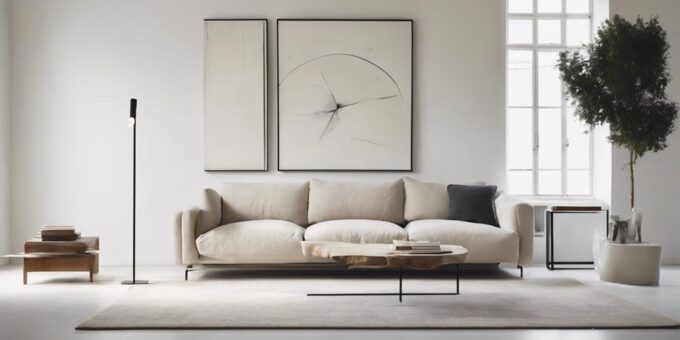
Achieving minimalist design in your home is about intentionally curating a space that celebrates simplicity, functionality, and sustainability. Start by decluttering and selectively choosing items that bring value and joy. Embrace simplicity in home decor by opting for a limited color palette and thoughtfully incorporating negative space. Multifunctional design elements can help maximize space without sacrificing style or comfort. By adopting a minimalist lifestyle, you can reduce your environmental footprint and promote sustainable living. As you simplified your space, you’ll discover that less can truly be more – and a more profound understanding of this concept is just ahead. Maximizing your home’s entryway can set the tone for a clutter-free and welcoming space by incorporating smart storage solutions and streamlined furniture. Choosing sleek organizers, wall-mounted hooks, or a compact bench can enhance functionality while maintaining a clean aesthetic. By thoughtfully designing this area, you create a seamless transition into the rest of your minimalist home.
Decluttering 101: Start With a Clean Slate
Regularly, the most pivotal aspect of adopting a minimalist design is not the aesthetic itself, but rather the challenging task of decluttering the space to make way for it. This essential step sets the foundation for a successful minimalist transformation. To begin, start by gathering supplies such as boxes, trash bags, and a label maker. Next, sort items into three categories: keep, donate/sell, and discard. Be ruthless when deciding what to keep – if you haven't used it in the past year, it's likely unnecessary. Consider enlisting the help of a friend or family member to provide a fresh perspective on what's truly essential. As you declutter, remember that the goal is not to get rid of everything, but to thoughtfully curate the items that bring value and joy to your life. By creating a clean slate, you'll be able to assess what's truly necessary, paving the way for a more intentional, minimalist design.
Embracing Simplicity in Home Decor
As you've cleared the clutter, it's time to strip away visual noise, and instead, opt for a curated selection of pieces that exude simplicity and elegance, allowing the eye to travel effortlessly throughout the space. This is where the true essence of minimalist design comes into play. By embracing simplicity in home decor, you create an atmosphere that is calming, serene, and inviting.
Focus on a limited color palette, and choose a few statement pieces that add visual interest without overwhelming the senses. Consider the 60-30-10 rule, where 60% of the room is a dominant color, 30% is a secondary color, and 10% is an accent color. This ratio creates harmony and balance, allowing the eye to move seamlessly throughout the space.
The Power of Negative Space
Within a minimalist space, the thoughtful incorporation of negative space becomes a powerful tool, allowing the remaining design elements to breathe and take center stage. By intentionally leaving areas of the room uncluttered and unadorned, the eye is drawn to the carefully selected pieces that remain. This deliberate use of empty space creates a sense of calm and visual harmony, as the brain is not overwhelmed by a plethora of stimuli.
The strategic placement of negative space also serves to create a sense of flow and continuity throughout the room. By breaking up the visual noise, the space feels more expansive and airy, even in smaller rooms. Moreover, negative space allows for a more mindful approach to design, as each element is carefully considered and curated to contribute to the overall aesthetic. By embracing the power of negative space, homeowners can create a serene and sophisticated atmosphere that invites relaxation and contemplation.
Multifunctional Design for Small Spaces
In small spaces, incorporating multifunctional design elements is essential for creating a sense of openness and functionality, enabling homeowners to maximize their space without sacrificing style or comfort. By integrating multifunctional design elements, homeowners can establish a sense of fluidity and continuity throughout the space, making it feel larger than it actually is.
Multifunctional design elements can take many forms, from storage ottomans that double as seating to Murphy beds that fold up against the wall. In the kitchen, a multifunctional island can offer additional counter space, storage, and seating. In the living room, a storage coffee table can serve as a place to display decorative items while also storing away linens, games, or other essentials.
When selecting multifunctional design elements, it's crucial to take into account the specific needs of the space and the people who will be using it. By doing so, homeowners can create a space that is both functional and aesthetically pleasing, perfect for relaxing and entertaining.
Sustainable Living Through Minimalism
By embracing minimalism, individuals can greatly reduce their environmental footprint, adopting a lifestyle that not only simplifies their living space but also contributes to a more sustainable future. A minimalist approach encourages consumers to reevaluate their consumption habits, reducing waste and the demand for resource-intensive products. This, in turn, decreases the strain on natural resources, mitigating the negative impact of human activity on the environment.
Moreover, a minimalist home often incorporates eco-friendly materials, energy-efficient appliances, and sustainable practices, such as recycling and composting. By choosing to live with fewer possessions, individuals can markedly decrease their carbon footprint, conserving energy and reducing greenhouse gas emissions. Additionally, a minimalist lifestyle promotes a culture of reuse and repurposing, reducing the staggering amounts of waste sent to landfills each year. By adopting sustainable living practices, individuals can make a tangible impact on the environment, creating a better world for future generations.
Frequently Asked Questions
Can I Still Display Sentimental Items in a Minimalist Home?
The eternal conundrum: can sentimental keepsakes coexist with the sleek simplicity of minimalism? The answer, surprisingly, is yes. By thoughtfully curating a select few treasured items and creatively displaying them, you can strike a balance between nostalgia and restraint. Edit, don't eradicate, and let the stories behind each piece shine, elevating them from clutter to cherished conversation starters.
How Do I Balance Minimalism With a Large Family's Needs?
Balancing minimalism with a large family's needs requires intentionality and creativity. Designate zones for specific activities, ensuring each area serves multiple purposes. Utilize multi-functional furniture, storage solutions, and label systems to maintain order. Establish routines for maintenance and upkeep, involving family members to instill responsibility and teamwork. By streamlining processes and prioritizing essentials, a minimalist home can accommodate a large family's needs while promoting a sense of calm and togetherness.
Are There Any Minimalist Design Styles That Are Not Modern?
Historic and traditional design styles can also embody minimalist principles. Rustic, farmhouse, and coastal styles often incorporate simplicity and restraint, focusing on natural materials and clean lines. Similarly, traditional Japanese and Scandinavian designs emphasize simplicity, natural light, and functional simplicity. These styles prove that minimalism is not exclusive to modern design, and can be applied to various aesthetics to create serene and clutter-free spaces that serve the needs of families.
Can I Incorporate Bold Colors in a Minimalist Space?
Can bold colors coexist with minimalist principles? The answer lies in balance. While minimalism often evokes neutral tones, strategically incorporating bold colors can elevate the space without overwhelming it. To achieve harmony, use bold hues sparingly – a statement piece of furniture, a vibrant artwork, or a single accent wall – and balance them with neutral backgrounds, ensuring visual calmness prevails.
Is It Possible to Be a Minimalist on a Limited Budget?
Being a minimalist on a limited budget is not only possible but also beneficial. It encourages creativity and resourcefulness. Start by repurposing items you already own, and shop second-hand or discount stores for essential pieces. DIY projects can also help you achieve a minimalist look without breaking the bank. Additionally, consider adopting a "one in, one out" policy to maintain a balanced and intentional living space.
