
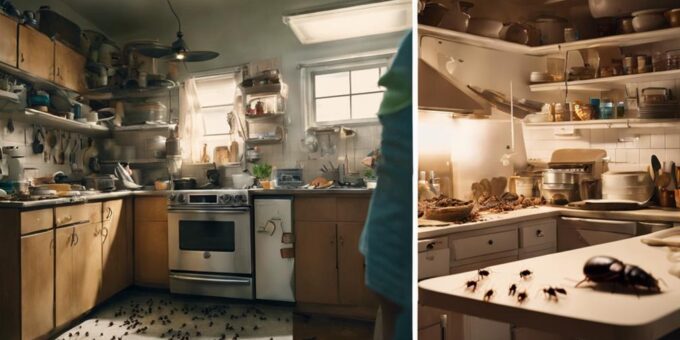
Common household pests, including cockroaches, ants, fleas, and rodents, can contaminate food, spread diseases, and cause structural damage. To deal with these pests, it’s essential to take proactive steps to prevent infestations and eliminate them quickly when they occur. Preventative measures include sealing food containers, removing standing water, and trimming branches. Sealing entry points, using natural deterrents, and eliminating food sources can also help. However, in severe cases, professional help may be necessary. By understanding the root cause of the infestation and using a combination of these methods, you can effectively eliminate common household pests and maintain a pest-free home, and exploring these strategies further can lead to even more effective solutions. Additionally, keeping your home clean and clutter-free can make it less attractive to pests while also reducing allergens at home. Regular vacuuming, wiping down surfaces, and disposing of garbage promptly can help eliminate potential hiding spots and food sources. By staying consistent with these practices, you can create a healthier living environment and prevent future infestations.
Identifying Common Household Pests
Households can unknowingly harbor a multitude of pests, including insects, rodents, and other unwanted creatures that can cause significant damage to property and pose health risks to occupants. It is essential to identify these pests to take effective measures to eliminate them. Common household pests include cockroaches, ants, fleas, ticks, bed bugs, and rodents like mice and rats. These pests can contaminate food, spread diseases, and trigger allergic reactions. Some pests, like termites, can cause significant structural damage to homes. Others, like carpenter ants, can weaken wooden structures. Identifying the type of pest infestation is vital in selecting the appropriate treatment method. Look for signs such as droppings, gnaw marks, or unusual noises to detect pest activity. Observe the pest's physical characteristics, behavior, and habits to accurately identify the species. Accurate identification enables targeted interventions, reducing the risk of re-infestation and minimizing the need for repeated treatments.
Preventing Pest Infestations
Vigilance is key to preventing pest infestations, as a clean and well-maintained environment can greatly reduce the likelihood of unwanted critters making themselves at home. Regularly inspecting for signs of pests, such as droppings, gnaw marks, or unusual odors, can help identify potential issues before they escalate.
| Pest Prevention Methods | Frequency | Effectiveness |
|---|---|---|
| Seal all food containers | Daily | High |
| Vacuum and mop regularly | Weekly | Medium |
| Remove standing water | Monthly | High |
| Trim tree branches from roof | Quarterly | Medium |
| Inspect for signs of pests | Monthly | High |
Eliminating Food Sources
Eliminating food sources is an important step in preventing household pest infestations, as pests are often attracted to readily available food and water. To effectively eliminate food sources, it is essential to focus on three key areas: maintaining cleanliness, removing food debris, and storing food properly. By addressing these critical points, homeowners can greatly reduce the likelihood of attracting unwanted pests into their homes.
Clean Up Cluttered Areas
Cluttered areas in the home can inadvertently provide a food source for pests, as crumbs, spills, and other organic matter can accumulate in hidden crevices and corners. This can attract pests, making it essential to clean up cluttered areas to eliminate potential food sources.
Regularly tidying up cluttered areas, such as:
| Area | Tips for Cleaning |
|---|---|
| Kitchen counters | Wipe down counters with a damp cloth, paying attention to areas around appliances and sinks |
| Living room shelves | Dust and vacuum shelves, and consider storing items in sealed containers |
| Behind furniture | Use a flashlight to inspect and clean areas behind furniture, where crumbs and dust tend to accumulate |
Remove Food Debris Quickly
In the daily hustle and bustle of household life, crumbs and spills can quickly accumulate, unwittingly providing a feast for unwanted pests, making prompt cleanup of food debris an essential step in denying them a food source.
Regularly wiping down kitchen counters, sinks, and floors, as well as cleaning up crumbs and spills immediately, can greatly reduce the attractiveness of your home to pests. Additionally, make it a habit to clean and sanitize high-traffic areas, such as around trash cans, sinks, and appliances, where crumbs and spills often accumulate.
Pay special attention to areas around pet food and water bowls, as these can be a breeding ground for pests. By quickly removing food debris, you are not only reducing the risk of pest infestation but also maintaining a clean and hygienic living environment for you and your family. Remember, a clean home is a pest-free home.
Store Food Properly
Proper food storage is crucial in preventing pests from exploiting easily accessible food sources, and this can be achieved by sealing food items in airtight containers or zip-top bags. This simple yet effective step helps to eliminate potential food sources that may attract unwanted pests. By storing food in sealed containers, you can prevent crumbs, spills, and other residue from accumulating, making it more challenging for pests to find sustenance.
Additionally, consider storing pet food and bird seed in sealed containers as well, as these can be attractive to pests. Regularly clean and dry containers before refilling them to prevent any residual food particles from attracting pests. It is also essential to store food in a cool, dry place, away from direct sunlight and moisture. By following these simple guidelines, you can greatly reduce the likelihood of pests invading your home in search of food.
Sealing Entry Points
Crevices and cracks in walls, floors, and windows provide inconspicuous entry points for unwanted pests, making it important to seal these openings to prevent infestations. Even the tiniest openings can allow pests to enter and make themselves at home, so it's vital to thoroughly inspect your home's exterior and interior for any vulnerabilities.
Start by examining the exterior of your home, paying close attention to areas around windows, doors, vents, and pipes. Seal any gaps or cracks with caulk, steel wool, or expanding foam, depending on the size and location of the opening. Don't forget to inspect the roof, chimney, and attic vents, as these areas can be particularly susceptible to pest entry.
Inside your home, inspect the walls, floors, and ceilings for any signs of cracks or damage. Seal any openings around pipes, electrical outlets, and switches. Remember to also check behind appliances and furniture, as these areas can often be overlooked. By sealing these entry points, you can greatly reduce the risk of pest infestations and keep your home pest-free.
Using Natural Deterrents
Natural deterrents can be a highly effective and environmentally friendly way to repel pests from your home, offering a non-toxic and non-invasive alternative to chemical-based pest control methods. These natural deterrents can be used to prevent infestations and eliminate existing pest problems. Certain smells, such as peppermint, lemongrass, and citronella, can repel pests like ants, spiders, and rodents. Essential oils can be used in diffusers or mixed with water and sprayed around entry points. Additionally, certain plants like basil, mint, and chamomile have natural pest-repelling properties and can be planted in gardens or indoor pots. Diatomaceous earth, a natural powder made from fossilized algae, can be used to dehydrate and kill insects. By incorporating these natural deterrents into your pest control strategy, you can create a safer and more sustainable solution for your home.
Chemical Control Methods
While natural deterrents can be an effective way to manage pests, chemical control methods offer a more targeted approach to eliminating infestations, particularly when dealing with severe or persistent pest problems. Chemical control methods involve using pesticides, which can be purchased over-the-counter or online. These products typically contain active ingredients that are specifically designed to target specific pests, such as cockroaches, ants, or rodents. When using chemical control methods, it is essential to follow the product's instructions carefully and take necessary safety precautions to avoid exposure to the chemicals. Additionally, it is important to identify the pest correctly to ensure the correct pesticide is used. It is also noteworthy that chemical control methods should be used in conjunction with good housekeeping practices, such as maintaining cleanliness and storing food properly, to prevent re-infestation. By combining chemical control methods with good housekeeping practices, homeowners can effectively eliminate pest infestations and prevent future occurrences.
Calling in Professional Help
When dealing with persistent pest infestations, it may be necessary to call in professional help to effectively eliminate the problem. Identifying the root cause of the infestation is essential in determining the best course of action, and a thorough inspection can reveal signs of infestation that may not be immediately apparent. By understanding the extent of the infestation and the pest control options available, homeowners can make informed decisions about how to proceed.
Identifying the Problem
Identifying the root cause of a pest infestation is essential to devising an effective eradication strategy, and in many cases, calling in professional help is the most prudent decision. Without a thorough understanding of the problem, it's easy to overlook vital details, leading to ineffective solutions. Professional pest control services can provide expert guidance in identifying the source of the infestation, as well as the type of pest involved.
Some signs that indicate the need for professional help include:
- Unusual noises or movements in walls, floors, or ceilings
- Unexplained damage to furniture, clothing, or food
- Visible signs of pest activity, such as droppings, nests, or burrows
- Strong, unpleasant odors or unexplained stains
- Failure of DIY treatments to eradicate the infestation
Signs of Infestation Found
The presence of one or more of these signs typically indicates that a pest infestation has reached a critical level, necessitating the expertise of a professional pest control service to effectively eliminate the problem. When homeowners notice an unexplained increase in food waste, such as crumbs, spills, or dirty dishes, it may indicate that pests are present. Other signs include droppings, nests, or unusual noises, like scratching or scurrying sounds, especially at night. If you've spotted pests, such as cockroaches, rodents, or ants, in your home, it's likely that the infestation is advanced and requires professional attention. Unexplained damage to food packaging, furniture, or building materials can also signal a severe pest problem. Moreover, strange odors, such as musky or pungent smells, can be indicative of a pest infestation. If you've identified any of these signs, it's essential to call in a professional pest control service to assess the situation and implement a thorough eradication plan.
Pest Control Options
In situations where signs of infestation are evident, homeowners often require the expertise of a professional pest control service to effectively eliminate the problem, and it is here that a range of pest control options come into play.
When calling in professional help, homeowners can choose from various pest control options tailored to their specific needs. These options include:
- Integrated Pest Management (IPM): A holistic approach combining physical, cultural, biological, and chemical controls to manage pest populations.
- Chemical Control: Applying insecticides, rodenticides, or other chemicals to eliminate pests.
- Biological Control: Introducing natural predators or parasites to control pest populations.
- Physical Control: Using traps, barriers, or other physical methods to prevent pest entry or eliminate existing infestations.
- Cultural Control: Modifying environmental factors, such as sanitation, moisture, and temperature, to discourage pest presence.
Maintaining a Pest-Free Home
By adopting a few basic yet important habits, homeowners can greatly decrease the likelihood of pest infestations and keep a pest-free home. One essential habit is maintaining a clean and tidy living space. Regularly wipe down countertops, sweep and mop floors, and store food in sealed containers to eliminate crumbs and spills that attract pests. Additionally, make sure proper waste management by taking out the trash regularly and storing it in sealed bins.
Another vital habit is to eliminate standing water and moisture around the home. Check for and fix any leaky pipes, guarantee proper drainage, and use a dehumidifier in humid areas. This will help prevent the growth of mold and mildew, which can attract pests. Moreover, seal any cracks and crevices around windows, doors, and pipes to prevent pests from entering the home. By incorporating these habits into daily life, homeowners can significantly reduce the risk of pest infestations and maintain a pest-free home.
Frequently Asked Questions
How Do I Know if I Have a Pest Infestation or Just a Stray Pest?
Like a whisper in the darkness, a single pest can be a harbinger of a larger issue. To discern whether you're dealing with a stray or a full-blown infestation, look for patterns of behavior. Are there multiple sightings or evidence of pest activity over time? Are there signs of nesting, feeding, or breeding? If so, it's likely you have an infestation on your hands.
Can I Use Essential Oils to Repel Pests From My Garden Too?
Essential oils can be an effective and eco-friendly method to repel pests from your garden. Certain oils, such as peppermint, lemongrass, and citronella, have natural pest-repelling properties. Mix a few drops of the essential oil with water and spray it around the perimeter of your garden to deter pests. However, it's important to note that essential oils may not be as potent as commercial pesticides, and repeated applications may be necessary for best results.
Are Diatomaceous Earth and Boric Acid Safe for Pets and Kids?
Diatomaceous earth and boric acid are generally considered safe for use around pets and kids, but caution is still advised. While non-toxic, ingestion can cause gastrointestinal upset. Keep them out of reach of children and pets to avoid accidental consumption. When using these products, guarantee thorough cleaning and avoid inhalation of powders. Always follow product instructions and take necessary precautions to minimize exposure.
Will Using Chemical Pesticides Harm My Household's Air Quality?
While fresh air and cleanliness are synonymous with a healthy home, the use of chemical pesticides can have devastating consequences on indoor air quality. These toxic substances can release volatile organic compounds (VOCs), leading to respiratory issues and other health problems. In contrast, adopting integrated pest management strategies that prioritize non-chemical methods can safeguard your household's air quality, promoting a healthier living environment for your loved ones.
How Long Does It Take to Completely Eliminate a Pest Infestation?
The duration required to completely eliminate a pest infestation depends on various factors, including the type and severity of the infestation, effectiveness of treatment methods, and environmental conditions. Generally, it can take anywhere from a few days to several weeks or even months to fully eradicate a pest problem. A thorough treatment plan, consistent monitoring, and cooperation from all household members are essential in achieving successful elimination.
