
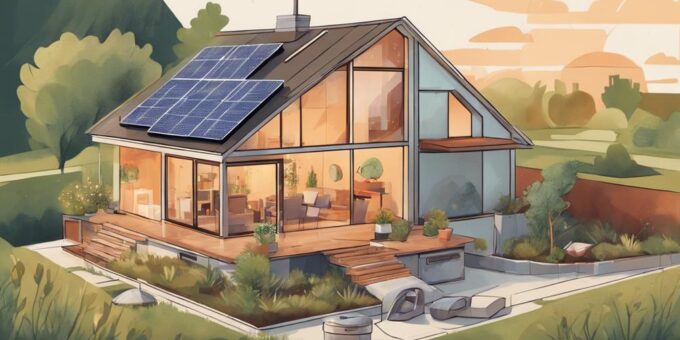
Optimize your home's energy efficiency with these eco-friendly solutions tailored to every season. Seal air leaks, add insulation, and upgrade to energy-efficient windows to reduce heat loss and gain. Strategic heating and cooling techniques, such as programmable thermostats and shade manipulation, can also make a significant impact. Seasonal tips include decluttering for natural light, maintaining cooling systems, and adjusting thermostat settings. By implementing these energy-saving strategies, you can reduce your environmental footprint and save on energy costs. With a little insight into the world of eco-friendly home solutions, the possibilities for a more sustainable tomorrow are endless.
Winter Wonderland: Cozy Up and Conserve
During the winter months, homeowners can create a cozy atmosphere while conserving energy by implementing a few simple yet effective strategies to reduce their carbon footprint. One effective approach is to seal air leaks and add insulation to prevent heat from escaping. This can be achieved by caulking gaps around windows and doors, and installing weatherstripping around movable joints. Additionally, homeowners can upgrade to energy-efficient windows or apply a clear plastic sheeting to reduce heat loss.
Another strategy is to optimize heating systems. This can be done by scheduling regular maintenance for heating systems, replacing old filters, and using a programmable thermostat to regulate temperatures. Using passive heating by opening curtains on sunny days and closing them at night can help reduce heating costs. By implementing these strategies, homeowners can enjoy a cozy winter wonderland while minimizing their impact on the environment. By taking these simple steps, individuals can make a significant difference in reducing their carbon footprint and contributing to a more sustainable future.
Spring Into Action: Refresh and Renew
As the last wisps of winter dissipate, spring's arrival brings an opportunity to refresh and renew our eco-friendly habits, starting with a thorough spring cleaning to eliminate energy-wasting habits and usher in a season of sustainability. This season, focus on decluttering and organizing your living space to reduce energy consumption. Begin by swapping out heavy, dark winter curtains for lighter, airy ones that allow natural light to illuminate your home, reducing the need for artificial lighting. Next, inspect and clean your windows to maximize natural light and heat. Remove dust and debris from ceiling fans, air vents, and HVAC systems to promote efficient air circulation. Finally, take the opportunity to inspect and replace air filters, ensuring your heating and cooling systems operate at peak levels. By taking these simple steps, you'll not only reduce your energy consumption but also create a fresh, revitalized space that welcomes the new season.
Summer Lovin': Beat the Heat Efficiently
As summer temperatures rise, it's essential to adopt efficient cooling strategies to reduce energy consumption and lower utility bills. This can be achieved by optimizing cooling system efficiency, utilizing smart fan usage tips, and harnessing the power of shade to minimize heat gain. By implementing these eco-friendly solutions, homeowners can stay cool while also doing their part for the environment.
Cooling System Efficiency
Optimizing cooling system efficiency is crucial to reduce energy consumption and environmental impact, especially in the sweltering summer months when the mercury rises. A well-maintained cooling system not only helps decrease your energy bills but also contributes to a more sustainable future.
To maximize your cooling system's efficiency:
- Regular Maintenance: Guarantee your air conditioning unit is properly maintained by cleaning filters, coils, and fans regularly.
- Proper Sizing: Make sure your cooling system is the right size for your space to avoid overworking the unit.
- Smart Thermostat: Install a smart thermostat to regulate temperature and optimize cooling when you're not home.
- Seal Air Leaks: Close any air leaks around windows, doors, and ducts to prevent cooled air from escaping.
- High-Efficiency Models: Consider upgrading to high-efficiency cooling systems, such as those with Energy Star certification, to reduce energy consumption.
Smart Fan Usage Tips
During the summer, a strategic fan usage plan can make all the difference in maintaining a comfortable indoor climate while keeping energy consumption in check. By optimizing fan usage, homeowners can reduce their reliance on air conditioning, leading to significant energy savings.
To maximize fan efficiency, it's essential to position them strategically throughout the home. Ceiling fans, in particular, can be highly effective in circulating air, allowing homeowners to raise their thermostat setting by up to 4°F without feeling a difference. Additionally, using floor or table fans in areas where people congregate can provide a cooling breeze, making the space feel cooler than it actually is.
Another key consideration is fan direction. In the summer, fans should rotate in a counterclockwise direction to push cool air down to the floor, creating a cooling effect. By implementing these smart fan usage tips, homeowners can stay cool while keeping their energy consumption in check, reducing their environmental footprint and saving on their utility bills.
Shade for Energy Savings
Three-quarters of the sun's energy that hits a window enters the room, making shade an essential component of an eco-friendly home's energy-saving strategy. By blocking direct sunlight, shade reduces the amount of heat that enters a room, thereby decreasing the need for air conditioning and minimizing energy consumption. This simple yet effective technique can greatly lower energy bills and contribute to a more sustainable future.
Here are some ways to harness the power of shade:
- Install awnings or overhangs above windows to block direct sunlight
- Plant trees or install solar shades on the south and west sides of your home
- Use window films or tinted windows to reduce heat gain
- Invest in motorized or manual shades for the best control
- Incorporate shutters or louvers to filter sunlight and reduce heat entry
Autumn Leaves: Harvesting Energy Savings
As the vibrant hues of autumn leaves indicate the shift to cooler temperatures, homeowners can capitalize on this seasonal change to reap significant energy savings. By implementing smart insulation techniques and sealing any drafts, they can reduce heating costs while keeping their homes cozy. Additionally, reviewing summer home preparation tips—such as maintaining HVAC systems and upgrading to energy-efficient windows—can ensure a seamless transition into the colder months. Taking these steps not only enhances comfort but also leads to long-term savings on energy bills.
During autumn, the days grow shorter, and the sun's rays are less intense, allowing for natural cooling and reduced energy consumption. By adopting a few simple strategies, homeowners can maximize their energy savings during this season.
| Energy-Saving Tip | Benefits |
|---|---|
| Adjust thermostat settings | Reduce heating costs by 3-5% for every degree of temperature change |
| Use passive heating | Harness natural sunlight to warm homes during the day |
| Seal air leaks | Prevent heat from escaping and reduce energy loss |
| Upgrade to energy-efficient windows | Reduce heat loss and minimize cold air infiltration |
| Insulate water heaters | Reduce heat loss and save up to 9% on water heating costs |
Insulation Nation: Seal the Deal
Proper insulation is a vital aspect of creating an eco-friendly home, as it helps reduce heat loss and gain, leading to significant energy savings. One of the most effective ways to achieve this is by sealing gaps and insulating the attic, as these areas are notorious for allowing heat to escape. By addressing these often-overlooked spaces, homeowners can reap the rewards of a more energy-efficient and environmentally friendly living space.
Seal the Gaps
Effective insulation begins with identifying and sealing gaps, as even the tiniest cracks and crevices can compromise the integrity of a home's thermal envelope. These gaps can be found around windows, doors, electrical outlets, and switches, and can let heated or cooled air escape, leading to increased energy bills and an environmental impact.
To seal these gaps, consider the following:
- Use caulk to fill gaps around windows and doors, ensuring a tight seal.
- Install weatherstripping around doors and windows to prevent air leaks.
- Seal gaps around electrical outlets and switches with foam gaskets or spray foam.
- Use spray foam to fill gaps in walls, floors, and ceilings.
- Inspect and seal any gaps in ductwork, including joints and seams.
Insulate the Attic
The attic, often considered the crown jewel of energy efficiency, is where insulation can make a significant impact, with even a moderate upgrade capable of reducing heating and cooling costs by up to 30%. This is because heat naturally rises, and without proper insulation, it can escape through the attic, causing energy waste and increased energy bills.
Insulating the attic is a straightforward process that can be completed with minimal disruption to daily life. Start by evaluating the current insulation levels and identifying areas where heat may be escaping. Next, choose an insulation material that suits your climate and budget, such as fiberglass batts, cellulose, or spray foam. Maintain a consistent R-value of at least R-38 for top performance. Finally, seal any gaps or cracks around vents, chimneys, and skylights to prevent air leakage.
Lighting the Way: Bright Ideas
Seventy-five percent of a home's energy consumption can be attributed to lighting, making it a prime area for improvement in the pursuit of eco-friendliness. By implementing a few simple changes, homeowners can greatly reduce their energy consumption and environmental impact.
To start, consider the following bright ideas:
- Replace traditional incandescent bulbs with LED or CFL alternatives, which use much less energy and last longer.
- Install smart lighting systems that can be controlled remotely and programmed to turn off when not in use.
- Use natural light to your advantage by placing mirrors strategically to reflect sunlight and reduce the need for artificial lighting.
- Implement a 'lights out' policy in your home, encouraging family members to turn off lights when leaving a room.
- Consider installing solar-powered lights for outdoor spaces, reducing your reliance on traditional energy sources.
Appliance Audit: Upgrade and Optimize
Generally, appliances are the second-largest contributor to a home's energy consumption, making it essential to scrutinize their efficiency and performance. Upgrading and optimizing appliances can notably reduce energy waste and lower your utility bills. Begin by identifying the most energy-intensive appliances in your home, such as refrigerators, washing machines, and air conditioners.
| Appliance | Energy Efficiency | Upgrade Options |
|---|---|---|
| Refrigerator | Look for Energy Star certification | Consider a French door or bottom-freezer model |
| Washing Machine | Check for Energy Star rating | Upgrade to a front-loading or high-efficiency model |
| Air Conditioner | Check SEER rating | Consider a ductless mini-split system or a heat pump |
| Oven/Range | Opt for an induction cooktop | Consider a convection oven or a gas range |
| Dishwasher | Look for Energy Star certification | Upgrade to a low-water or steam cleaning model |
Frequently Asked Questions
Can I Install Solar Panels on My Existing Roof?
Installing solar panels on an existing roof is important, but it's essential to assess the roof's condition and structural integrity first. Make sure your roof is in good shape, with a minimum of 5-10 years of remaining lifespan. Also, consider the roof's size, orientation, and material to ensure compatibility with solar panels. A professional assessment can help determine the feasibility of a solar panel installation on your existing roof.
Are Energy-Efficient Appliances Worth the Higher Upfront Cost?
Investing in energy-efficient appliances is like planting a tree that blossoms into long-term savings. While the initial cost may seem challenging, it's crucial to contemplate the bigger picture. Energy-efficient appliances consume fewer resources, reducing your carbon footprint and contributing to a sustainable future. In the long run, the energy savings will offset the higher upfront cost, making it a worthwhile investment for environmentally conscious individuals.
How Often Should I Replace My Air Filters for Optimal Efficiency?
Replacing air filters regularly is essential for maximum efficiency and indoor air quality. It's recommended to replace them every 1-3 months, depending on usage and manufacturer's instructions. Failing to do so can increase energy consumption, decrease HVAC system lifespan, and negatively impact indoor air quality. Mark your calendar to replace filters on a regular schedule to guarantee your system operates efficiently and effectively.
Can I Use Eco-Friendly Paints on My Walls and Ceilings?
Yes, you can use eco-friendly paints on your walls and ceilings. These paints are made with natural ingredients, low-VOC (volatile organic compounds), and non-toxic materials, guaranteeing a healthier indoor environment. Look for certifications like Greenguard Gold or EU Ecolabel to make sure the paint meets eco-friendly standards. Additionally, consider the color and finish you choose, as lighter colors can help reflect natural light and reduce the need for artificial lighting.
Do Energy-Efficient Windows Really Make a Significant Difference?
As the ancient Greek philosopher, Aristotle, once said, 'In all things of nature, there is something of the marvelous.' Indeed, marvel at the wonders of energy-efficient windows! Replacing traditional windows with energy-efficient ones can greatly reduce heat transfer, minimizing the load on your HVAC system. This results in a substantial decrease in energy consumption, ultimately leading to lower energy bills and a reduced carbon footprint.
