
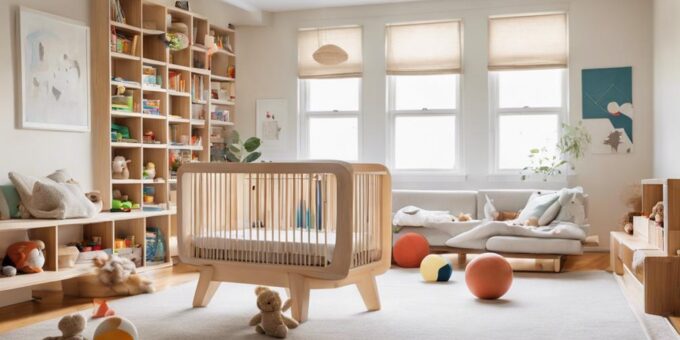
A well-designed child-friendly home adapts to the changing needs of a growing family, incorporating flexible layouts, multi-functional spaces, and adaptable furniture to foster a nurturing environment. Age-appropriate storage solutions and safe, accessible design elements, such as soft landing zones and padded furniture, guarantee a safe and organized space. By incorporating these design elements, families can create a home that evolves with their children, from early childhood to adolescence and beyond. As you explore the world of child-friendly design, discover the secrets to creating a space that truly grows with your family.
Flexible Layouts for Growing Families
As families grow, so do their spatial needs, making flexible living spaces an important aspect of child-friendly home design. A well-designed flexible layout can accommodate the changing needs of a growing family, from toddlers to teenagers. This can be achieved by incorporating multi-functional spaces that can adapt to different activities and age groups. For instance, a play area for toddlers can be converted into a homework station for school-age children. Open-plan living areas can also be designed to accommodate different activities simultaneously, such as cooking, homework, and playtime. Sliding doors, modular furniture, and movable partitions can help create flexible spaces that can be easily reconfigured as the family’s needs change. By incorporating these design elements, families can enjoy a home that grows with them, providing a comfortable and functional living environment for years to come. Additionally, incorporating adaptable storage solutions ensures that toys, books, and supplies remain organized as family needs evolve. For older children or teenagers, transforming a spare room or basement into the ultimate game room setup can provide a dedicated space for recreation and socializing. This approach not only maximizes the functionality of the home but also fosters a dynamic and engaging environment for all family members.
Age-Appropriate Storage Solutions
While a well-designed layout is essential, a child-friendly home also requires age-appropriate storage solutions that adapt to the changing needs of growing children. As children grow, their needs and interests change, and storage solutions must adapt to accommodate these changes.
Effective storage solutions can help maintain a sense of order and calm in the home, making it easier for children to find what they need and develop good habits from an early age.
- Low-level shelves and storage units that can be easily accessed by young children
- Adjustable shelving that can be raised as children grow
- Clear labels and signage to help children identify where items belong
Adaptable Furniture for Kids
When designing a child-friendly home, adaptable furniture for kids plays a vital role in creating a functional and efficient space. Multi-purpose pieces and space-saving solutions can help optimize the use of available space, while also accommodating the ever-changing needs of a growing family. By incorporating adaptable furniture, parents can create a flexible and dynamic environment that evolves alongside their children.
Multi-Purpose Pieces
Incorporating multi-purpose pieces into your child's space allows for smooth shifts between activities, fosters creativity, and maximizes available space. These adaptable pieces enable kids to move easily from one activity to another, promoting a sense of freedom and autonomy. By incorporating multi-functional furniture, you can create a space that evolves with your child's interests and needs.
- Storage Ottomans: These versatile pieces provide a comfortable seating area while storing toys, books, and other essentials, keeping the room clutter-free and organized.
- Convertible Desks: These innovative desks transform from a homework station to an art space or a reading nook, accommodating different activities and age ranges.
- Modular Shelving: These customizable shelves adapt to your child's growing collection of books, toys, and mementos, providing ample storage and display space.
Space-Saving Solutions
By selecting furniture that serves multiple purposes, parents can create a functional and efficient space that accommodates their child's diverse needs and interests. Adaptable furniture pieces, such as storage ottomans, murphy beds, and convertible desks, are essential in maximizing space while minimizing clutter. These space-saving solutions enable parents to create a flexible environment that evolves with their child's growth and development.
For instance, a storage bed with built-in drawers can provide ample storage for toys, clothes, and educational materials, freeing up floor space for play and creativity. Similarly, a desk that converts into a craft station or a reading nook can foster a love for learning and exploration. By investing in adaptable furniture, parents can create a child-friendly home that is both functional and enjoyable, allowing their child to thrive in a nurturing environment. By doing so, parents can promote a sense of comfort, security, and independence, ultimately supporting their child's overall well-being and development.
Safe and Accessible Design
When designing a child-friendly home, safety and accessibility are paramount considerations. A well-planned space should incorporate features that prevent accidents and injuries, while also facilitating easy movement and exploration. By incorporating soft landing zones and secure storage options, parents can create a nurturing environment that promotes growth and discovery.
Soft Landing Zones
A well-designed soft landing zone, characterized by a thoughtful blend of cushioned surfaces and strategically placed crash pads, can help mitigate the risk of injury in high-traffic areas, providing a safe haven for rambunctious children to explore and play.
Effective soft landing zones can be achieved by incorporating the following key elements:
- Cushioned flooring: Install soft, shock-absorbing flooring materials, such as foam tiles or rubber mats, to reduce the impact of falls.
- Crash pads and pillows: Strategically place crash pads and pillows in areas where children are most likely to fall, such as near play structures or sharp corners.
- Padded furniture: Choose furniture with padded edges and corners to minimize the risk of injury in the event of a collision.
Secure Storage Options
As families grow and evolve, the need for secure storage options becomes increasingly important to maintain a safe and organized living space. A well-designed storage system helps prevent clutter, reduces stress, and promotes a sense of calm. When designing a child-friendly home, it's essential to incorporate storage solutions that are both accessible and secure.
Incorporating secure storage options, such as locked cabinets and shelving units, helps prevent accidents and unwanted access to hazardous materials. For example, installing safety latches or locks on cabinets can prevent young children from accessing cleaning supplies, medications, or sharp objects. Additionally, designating specific storage areas for toys, books, and art supplies can help maintain organization and encourage children to develop good habits.
Multi-Functional Living Spaces
By incorporating multi-functional living spaces into your home's design, you can create a flexible and adaptable environment that effortlessly accommodates the diverse needs of your growing family. This approach enables your home to evolve with your family's changing needs, minimizing the need for costly renovations or rearrangements.
Some benefits of multi-functional living spaces include:
- Space-saving efficiency: Combining functions, such as a play area and homework station, maximizes space and reduces clutter.
- Flexibility for growth: A multi-functional space can adapt to your child's changing needs, from playtime to study sessions, without requiring significant changes.
- Enhanced interaction: Shared spaces encourage family bonding and interaction, fostering a sense of community and connection.
Growing Rooms for Growing Kids
What essential elements should a growing room incorporate to effectively support your child's cognitive, social, and emotional development as they progress through various stages of growth? A well-designed growing room should prioritize flexibility, adaptability, and safety. It should provide ample storage for toys, books, and educational materials, allowing your child to explore and learn in a clutter-free environment. Incorporating multi-functional furniture, such as storage beds and desks, can maximize space and accommodate different activities. Additionally, the room should be equipped with adaptable lighting, suitable for various tasks, from reading to playing. Consider incorporating a comfortable reading nook or a designated area for creative expression, fostering a love for learning and self-expression. A growing room should also prioritize safety, with secure storage for hazardous materials and electrical outlets. By incorporating these essential elements, you can create a nurturing environment that supports your child's growth and development.
Long-Term Design for Family Needs
A well-designed home that adapts to the evolving needs of a growing family requires a thoughtful, long-term approach to guarantee that the space remains functional, comfortable, and supportive of family life. This approach involves considering the diverse needs of family members across different stages of development, from toddlers to teenagers and beyond. By doing so, families can create a haven that fosters growth, exploration, and connection.
Some essential considerations for long-term design include:
- Flexible spaces: Designing rooms that can adapt to changing needs, such as a playroom that converts into a home office or a nursery that transforms into a bedroom.
- Storage and organization: Incorporating ample storage solutions and organizational systems to maintain clutter-free zones that promote a sense of calm and focus.
- Adaptable materials: Selecting materials and finishes that are durable, easy to clean, and resistant to wear and tear, ensuring the home remains a comfortable and welcoming space for years to come.
Frequently Asked Questions
How Can I Balance Style With Functionality in a Child-Friendly Home?
Balancing style with functionality in a child-friendly home requires careful consideration. Start by identifying essential elements, such as storage and safety features, and incorporate them seamlessly into your design. Select durable, easy-to-clean materials and finishes that withstand heavy use. Integrate stylish accents, like statement lighting or vibrant artwork, to elevate the space without compromising functionality. By striking a balance between form and function, you can create a beautiful, practical space that meets the needs of both children and adults.
Are There Any Eco-Friendly Materials Suitable for a Family Home?
"An ounce of prevention is worth a pound of cure," especially when it comes to creating a healthy and sustainable living space. When selecting materials for a family home, consider eco-friendly options that promote a cleaner environment. Look for materials certified by organizations like the Forest Stewardship Council (FSC) or those made from recycled content, such as reclaimed wood or low-VOC paints. These choices not only benefit the environment but also contribute to a healthier indoor air quality for your family.
Can I Incorporate Technology, Like Smart Home Devices, Safely?
When incorporating smart home devices, safety is paramount. Guarantee devices are installed and configured correctly to prevent hacking and unauthorized access. Choose devices with robust security features, such as two-factor authentication and end-to-end encryption. Regularly update software and firmware to prevent vulnerabilities. Additionally, consider devices with kid-friendly features, such as parental controls and kid-safe modes, to create a safe and secure smart home environment.
What Are Some Space-Saving Ideas for Small or Awkwardly Shaped Rooms?
In the spirit of Alice's curiosity in Wonderland, maneuvering small or awkwardly shaped rooms can be a puzzle. To maximize space, consider multi-functional furniture, like storage ottomans or Murphy beds. Opt for wall-mounted shelves and foldable tables to create a sense of openness. Utilize vertical space by installing floor-to-ceiling storage units or shelves. By doing so, you'll create a functional and harmonious environment that adapts to your family's needs.
How Do I Involve My Kids in the Design Process to Ensure Their Needs Are Met?
Involving children in the design process fosters a sense of ownership and guarantees their needs are met. Begin by asking open-ended questions to understand their priorities and preferences. Encourage them to sketch or collate images of their ideal spaces. This collaborative approach helps identify functional and aesthetic requirements, allowing for tailored solutions that cater to their unique needs.
