
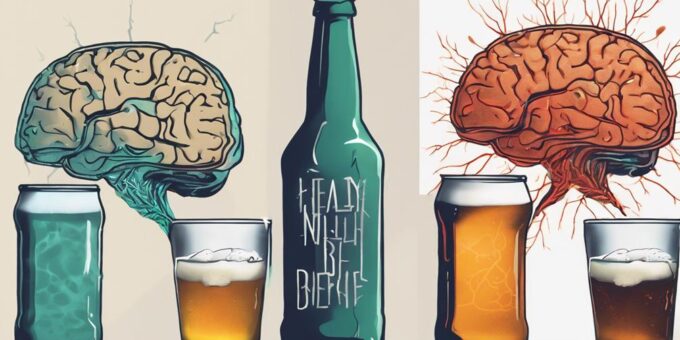
Excessive alcohol consumption can have devastating effects on overall health. Chronic drinking leads to liver disease, increases the risk of breast, colon, and liver cancers, and impairs brain function, causing cognitive decline and mood disturbances. Additionally, alcohol consumption increases the risk of high blood pressure, heart failure, and weakens the immune system. It also leads to nutrient deficiencies, mental health issues, skin problems, and digestive issues. Moreover, alcohol accelerates aging, impairs collagen production, and depletes antioxidants. As the effects of alcohol on health are far-reaching, it is essential to understand the risks and take proactive steps to mitigate them, and exploring this topic further can provide valuable insights into the complexities of alcohol's impact on our well-being.
Liver Damage and Disease
Chronic and excessive alcohol consumption is a leading cause of liver disease, with approximately 30% of heavy drinkers developing liver cirrhosis. This is a serious condition characterized by scarring of the liver tissue, leading to impaired liver function. Prolonged and excessive alcohol consumption damages liver cells, causing inflammation and scarring. As a result, the liver's ability to detoxify the body, regulate metabolism, and perform other essential functions is severely impaired.
The liver's unique ability to regenerate itself is compromised by chronic alcohol abuse, making it challenging to recover from the damage. If left untreated, liver cirrhosis can lead to liver failure, a life-threatening condition. Additionally, liver disease also increases the risk of developing other serious health complications, such as esophageal varices, ascites, and hepatic encephalopathy. It is essential for individuals to be aware of the risks associated with excessive alcohol consumption and to take proactive steps to prevent liver damage and disease.
Increased Cancer Risk Factors
Alcohol consumption has been conclusively linked to an increased risk of multiple types of cancer, including those of the breast, colon, esophagus, liver, and mouth. The International Agency for Research on Cancer (IARC) classifies alcohol as a carcinogen, meaning it is a cancer-causing substance. The risk of cancer increases with the amount of alcohol consumed, and even moderate drinking can increase the risk of certain cancers.
The exact mechanisms by which alcohol increases cancer risk are not fully understood, but several factors are thought to contribute. Acetaldehyde, a toxic compound produced when the body breaks down alcohol, is a known carcinogen. Additionally, alcohol can damage DNA, leading to genetic mutations that can increase cancer risk. Moreover, alcohol can also increase the production of estrogen, which can contribute to the development of breast cancer.
The risks associated with alcohol consumption and cancer are significant, and it is essential for individuals to be aware of the potential consequences of their drinking habits. By understanding the risks, individuals can make informed decisions about their alcohol consumption and take steps to reduce their risk of cancer. In addition to alcohol consumption, other lifestyle factors can also impact cancer risk, such as poor diet and lack of physical activity. For example, research has highlighted the dangers of sitting too long, which has been linked to an increased risk of certain cancers and other chronic diseases. By adopting healthier habits, such as regular exercise and balanced nutrition, individuals can further reduce their overall risk of cancer.
Brain Function and Cognitive Decline
Excessive alcohol consumption has been linked to significant disruptions in brain function, leading to impairments in cognitive abilities and increased risks of neurological disorders. Specifically, alcohol's impact on neurotransmitter activity, memory formation, and cerebral structure can have long-lasting and devastating effects on overall brain health. As we explore the relationship between alcohol and brain function, it becomes clear that the consequences of excessive drinking can be far-reaching and detrimental.
Neurotransmitter Disruption
Disruption to the delicate balance of neurotransmitters in the brain, a consequence of alcohol consumption, can lead to impaired brain function and cognitive decline. Neurotransmitters, such as dopamine, serotonin, and GABA, play a vital role in regulating mood, motivation, and other cognitive processes. When alcohol is consumed, it can alter the levels and activity of these neurotransmitters, leading to disruptions in normal brain function.
This disruption can result in a range of cognitive impairments, including decreased focus, attention, and decision-making abilities. Additionally, the altered neurotransmitter balance can contribute to mood disturbances, such as anxiety and depression. Moreover, the disruption of neurotransmitter function can also impact motor skills, leading to coordination and balance problems.
It is essential to understand the significant impact of alcohol on neurotransmitter balance and brain function. By recognizing the risks associated with alcohol consumption, individuals can make informed decisions about their drinking habits and take steps to maintain excellent brain health.
Memory Impairment Risks
Chronic alcohol consumption has been linked to a heightened risk of memory impairment, as the toxin can impede the brain's ability to form and consolidate new memories, leading to difficulties in learning and recall. This can manifest in various ways, such as struggling to remember recent events, learning new information, or even recalling familiar words and names. Additionally, excessive alcohol consumption has been shown to damage the hippocampus, a region vital for memory formation and spatial navigation. This damage can lead to a decline in short-term and long-term memory, making it challenging to perform daily tasks and maintain independence. Moreover, alcohol's negative impact on memory can also affect emotional regulation, leading to increased anxiety and depression. It is essential for individuals to be aware of these risks and take proactive steps to mitigate them, such as moderating alcohol intake and engaging in cognitively stimulating activities to support brain health.
Cerebral Atrophy Link
Alcohol's neurotoxic effects can precipitate cerebral atrophy, a condition characterized by a reduction in brain mass and a subsequent decline in cognitive function. This decline can manifest in various ways, including decreased problem-solving skills, impaired judgment, and reduced memory capacity. Chronic alcohol consumption has been shown to accelerate cerebral atrophy, leading to a higher risk of dementia and other neurodegenerative disorders.
| Region of the Brain | Effects of Cerebral Atrophy |
|---|---|
| Hippocampus | Reduced memory formation and retrieval |
| Cerebellum | Impaired motor coordination and balance |
| Prefrontal Cortex | Decreased executive function and decision-making abilities |
| Temporal Lobe | Decline in language processing and comprehension |
The table above highlights the specific regions of the brain affected by cerebral atrophy and the corresponding cognitive and motor impairments. It is essential for individuals to be aware of the potential risks associated with excessive alcohol consumption and to take proactive steps to maintain a healthy brain. By doing so, we can mitigate the negative effects of alcohol on our cognitive function and overall well-being.
Cardiovascular Health Concerns
Excessive alcohol consumption has been linked to increased cardiovascular health concerns, including a heightened risk of high blood pressure and heart failure. These conditions can lead to severe consequences, such as heart attacks, strokes, and even mortality. This section will examine the specific ways in which alcohol use can negatively impact cardiovascular health, with a focus on high blood pressure risk and heart failure likelihood.
High Blood Pressure Risk
Consuming alcohol regularly, even in moderate amounts, has been shown to markedly increase an individual's risk of developing high blood pressure, a major precursor to cardiovascular disease. This is because alcohol can cause blood vessels to constrict, leading to increased blood pressure. Moreover, alcohol can also lead to weight gain, which is a significant risk factor for high blood pressure.
Regular alcohol consumption can also disrupt the body's natural blood pressure regulation mechanisms, leading to hypertension. The risk of high blood pressure is additionally exacerbated by the fact that alcohol can increase levels of certain hormones, such as aldosterone, which can contribute to hypertension. It is essential for individuals to be aware of the risks associated with alcohol consumption and to take proactive steps to mitigate them. By making informed choices about their alcohol intake, individuals can significantly reduce their risk of developing high blood pressure and related cardiovascular health issues.
Heart Failure Likelihood
Regular alcohol consumption has been linked to a heightened risk of heart failure, a potentially life-threatening condition characterized by the heart's inability to pump sufficient blood to meet the body's needs. This condition can lead to fatigue, shortness of breath, and swelling in the legs and feet. Heavy drinking can weaken the heart muscle, reducing its ability to pump blood efficiently, and increase blood pressure, which can further strain the heart. Additionally, excessive alcohol consumption can lead to cardiomyopathy, a condition where the heart muscle becomes damaged, making it difficult for the heart to function properly. The risk of heart failure is particularly high in people who consume more than 14 drinks per week, with each additional drink increasing the likelihood of heart failure. It is essential to moderate alcohol consumption to minimize the risk of heart failure and other cardiovascular health concerns. By being aware of the risks associated with alcohol consumption, individuals can take proactive steps to protect their heart health.
Weakened Immune System Function
Alcohol's immunosuppressive effects can greatly impair the body's natural defense against infections and diseases, making it more susceptible to illnesses. Chronic alcohol consumption weakens the immune system, reducing its ability to fight off infections and diseases. This increased susceptibility can lead to a range of health problems, from common colds and flu to more serious conditions like pneumonia and tuberculosis.
| Immune System Function | Effect of Chronic Alcohol Consumption |
|---|---|
| White Blood Cell Count | Decreased production, making the body more susceptible to infections |
| Cytokine Production | Reduced production, impairing the body's ability to fight off infections |
| Natural Killer Cell Activity | Decreased activity, reducing the body's ability to fight off cancer cells and viruses |
| Inflammation Response | Impaired response, leading to increased inflammation and tissue damage |
| Wound Healing | Delayed healing, increasing the risk of infection and complications |
Chronic alcohol consumption can lead to a range of immune-related problems, making it essential to moderate alcohol intake and prioritize a healthy lifestyle to maintain a strong immune system.
Nutrient Deficiencies and Malabsorption
As the immune system struggles to combat the damaging effects of chronic alcohol consumption, the body's ability to absorb and process essential nutrients is also greatly impaired, leading to a range of deficiencies and malabsorption issues. The gut, in particular, is severely affected, as the lining of the intestines becomes inflamed and permeable, allowing toxins to leak into the bloodstream. This can lead to malabsorption of crucial nutrients, including vitamins B12 and D, and minerals like calcium and iron. Additionally, the liver, responsible for detoxifying the body, becomes overburdened and inefficient, further exacerbating the nutrient deficiencies. The consequences of these deficiencies can be far-reaching, contributing to a range of health problems, including anemia, fatigue, and weakened bones. It is essential for individuals struggling with alcohol addiction to prioritize nutrition and seek professional guidance to address these deficiencies and support overall health recovery.
Mental Health and Mood Disorders
Moreover, chronic alcohol consumption can precipitate a cascade of mental health issues, including depression, anxiety, and psychosis, as the brain's delicate neurotransmitter balance is disrupted by the toxic effects of ethanol. The alteration of neurotransmitter levels, particularly serotonin and dopamine, can lead to mood swings, irritability, and emotional instability. Additionally, the hippocampus, a region critical for emotional regulation, is particularly vulnerable to ethanol-induced damage, exacerbating mood disorders. Moreover, the social and interpersonal problems that often accompany heavy drinking can contribute to feelings of isolation, low self-esteem, and anxiety. It is essential for individuals struggling with mental health issues to be aware of the potential exacerbating effects of alcohol consumption and to seek professional help if necessary. By understanding the complex relationship between alcohol and mental health, individuals can take proactive steps to mitigate the risks and promote overall well-being.
Skin Problems and Premature Aging
In addition to its detrimental effects on mental health, excessive alcohol consumption has also been linked to a range of skin problems and premature aging. The skin, being the largest organ in the body, is particularly susceptible to the negative impacts of alcohol. Dehydration, a common consequence of excessive drinking, can lead to dry, dull-looking skin, accelerated wrinkle formation, and reduced skin elasticity. Moreover, the antioxidants in the skin that help combat free radicals are depleted by alcohol, allowing oxidative stress to take hold, further exacerbating skin damage. Additionally, the increased inflammation and impaired collagen production induced by alcohol can lead to skin conditions such as rosacea, acne, and eczema. The cumulative effect of these processes is premature aging, characterized by fine lines, age spots, and a loss of skin luminosity. It is essential for individuals to be aware of the skin-related consequences of excessive alcohol consumption and take proactive measures to mitigate them.
Digestive Issues and Gut Health
Excessive alcohol consumption has a profound impact on the digestive system, disrupting the delicate balance of gut health and leading to a range of debilitating digestive issues. The lining of the digestive tract becomes inflamed, causing stomach pain, nausea, and vomiting. Moreover, alcohol can alter the balance of gut bacteria, leading to changes in the gut microbiome. This can result in symptoms such as bloating, diarrhea, and abdominal cramps. The small intestine, responsible for nutrient absorption, is also impaired, leading to malabsorption of essential vitamins and minerals. Additionally, alcohol can increase the production of stomach acid, leading to heartburn, acid reflux, and ulcers. The cumulative effect of these issues can lead to a range of digestive disorders, including irritable bowel syndrome (IBS), gastroesophageal reflux disease (GERD), and inflammatory bowel disease (IBD). It is essential to address these issues promptly to prevent long-term damage to overall health and well-being.
Frequently Asked Questions
Can Moderate Drinking Really Reduce Heart Disease Risk?
Moderate drinking, typically defined as one drink per day for women and two drinks per day for men, has been extensively studied for its potential role in reducing heart disease risk. Research suggests that moderate alcohol consumption may increase high-density lipoprotein (HDL) cholesterol, the "good" cholesterol, and lower blood pressure, both of which can contribute to a reduced risk of heart disease. However, it is essential to weigh these potential benefits against the risks associated with excessive alcohol consumption.
Does Alcohol Affect Women's Health Differently Than Men's?
'Cut from a different cloth,' women's bodies process alcohol differently than men's, leading to distinct health consequences. Research suggests that women's bodies take longer to metabolize alcohol, resulting in higher blood alcohol concentrations. This increased exposure contributes to a higher risk of breast cancer, liver disease, and other health issues. In addition, women's hormonal fluctuations can amplify alcohol's negative effects, making it crucial to take these differences into account when evaluating alcohol's impact on overall health.
How Long Does It Take to Recover From Alcohol-Induced Health Damage?
Recovery from alcohol-induced health damage is a complex and highly individualized process. The timeline for recovery varies greatly depending on the severity and duration of alcohol use, as well as the specific health conditions affected. Generally, physical health improvements can be seen within weeks or months of sobriety, while psychological and cognitive impairments may take longer to recover, often requiring ongoing treatment and support.
Can Drinking During Pregnancy Cause Fetal Alcohol Syndrome?
Drinking during pregnancy can have devastating consequences for the unborn child. Fetal alcohol syndrome (FAS) is a preventable condition caused by maternal alcohol consumption. It can lead to physical and cognitive abnormalities, including growth deficiency, facial deformities, and intellectual disability. Even moderate drinking can increase the risk of FAS, making abstinence the safest choice for expectant mothers.
Is It Safe to Drink Alcohol While Taking Prescription Medications?
When handling a complex medication regimen, it's vital to ponder the potential interactions with alcohol. Imagine a delicate recipe, where one misstep can alter the entire outcome. Combining prescription medications with alcohol can be a risky mix, intensifying side effects, and reducing the medication's efficacy. The National Institute on Alcohol Abuse and Alcoholism warns that even moderate drinking can interact with medications, leading to adverse reactions. It's essential to consult your healthcare provider about safe alcohol consumption while taking prescription medications.
