
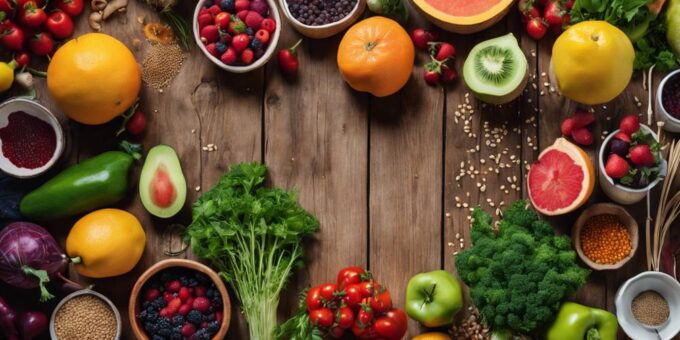
Exploring plant-based diets requires an understanding of the various types, including veganism, lacto-ovo-vegetarianism, and flexitarianism. A well-planned plant-based diet can provide essential nutrients like protein, which is crucial for tissue repair and immune function. Effective meal planning and grocery shopping involve stocking a pantry with whole grains, canned goods, and nutritious nuts and seeds. However, potential deficiencies in B12, iron, and omega-3 need to be addressed. By being mindful of these factors and adopting sustainable practices, individuals can make a successful shift to a plant-based lifestyle, and discover the numerous benefits it has to offer. In contrast to plant-based diets, some individuals explore alternative dietary approaches, such as ketogenic diets, which emphasize high-fat and low-carb intake. It is essential to weigh keto diet benefits and risks, as while it may promote weight loss and improved blood sugar control, it can also lead to potential nutrient deficiencies and cardiovascular concerns. Regardless of the chosen dietary path, maintaining balance and proper nutrition is key to long-term health and well-being.
Types of Plant-Based Diets
Among the various approaches to plant-based eating, several distinct categories have emerged, each with its own unique principles and restrictions. These categories cater to diverse lifestyles, values, and health goals, allowing individuals to choose the approach that best suits their needs.
The first category is veganism, which excludes all animal-derived products, including honey, eggs, dairy, and even gelatin. Veganism is often driven by ethical and environmental concerns, as well as health considerations. Lacto-ovo-vegetarianism, on the other hand, permits dairy and eggs, while lacto-vegetarianism allows dairy products but excludes eggs. Ovo-vegetarianism, as the name suggests, permits eggs but excludes dairy. Flexitarianism, a more flexible approach, emphasizes plant-based eating but occasionally allows for small amounts of meat.
Other categories include raw foodism, which focuses on uncooked plant-based foods, and fruitarianism, which emphasizes fruits, nuts, and seeds. Each of these categories offers a unique perspective on plant-based eating, allowing individuals to tailor their approach to their individual needs and preferences.
Understanding Nutritional Needs
A well-planned plant-based diet requires attention to specific nutritional needs to guarantee peak health. Two critical components to focus on are sourcing adequate protein and meeting daily calorie requirements. By understanding these fundamental needs, individuals can make informed choices to support their overall well-being.
Protein Sources Matter
In plant-based diets, sufficient protein intake is essential, and understanding the significance of protein sources is key for maintaining excellent health. Protein is vital for building and repairing tissues, producing enzymes and hormones, and maintaining a healthy immune system. A well-planned plant-based diet can provide all the necessary protein for peak health.
Legumes, such as beans, lentils, and peas, are excellent protein sources. They are rich in protein, fiber, and various essential nutrients. Nuts and seeds, like almonds, chia seeds, and hemp seeds, are also high in protein and can be easily incorporated into meals. Whole grains, like quinoa, farro, and bulgur, provide a good amount of protein as well. Additionally, soy products, such as tofu and tempeh, are excellent protein sources. It is essential to consume a variety of protein-rich foods to ensure sufficient protein intake. By understanding the importance of protein sources, individuals can make informed choices to maintain peak health on a plant-based diet.
Daily Calorie Needs
Every individual's daily calorie needs vary based on factors such as age, sex, body size, and physical activity level. Understanding these needs is essential for maintaining peak health and energy levels on a plant-based diet.
To determine daily calorie needs, consider the following factors:
- Basal Metabolic Rate (BMR): This is the number of calories needed for the body's basic functions, such as breathing, digestion, and circulation.
- Thermic Effect of Food (TEF): This represents the energy expended to digest, absorb, and process nutrients from food.
- Physical Activity Level (PAL): This accounts for the energy spent on daily activities, exercise, and other physical pursuits.
Meal Planning and Grocery Shopping
Effective meal planning and grocery shopping are essential components of a successful plant-based diet, as they empower individuals to make informed choices that meet their nutritional needs. By developing a well-structured meal plan and creating a healthy grocery list, individuals can guarantee they are getting the necessary nutrients for peak health. In the following sections, we will explore meal planning strategies and healthy grocery lists to support a balanced plant-based diet.
Meal Planning Strategies
Crafting a well-structured meal plan is pivotal to embracing a plant-based lifestyle, as it allows individuals to navigate the complexities of grocery shopping and meal preparation with confidence. A well-planned meal strategy guarantees that you are well-equipped to make healthy, sustainable choices that align with your values and dietary needs.
To create an effective meal plan, consider the following essential strategies:
- Set clear goals: Define your dietary objectives, such as reducing food waste or increasing protein intake, to guide your meal planning process.
- Plan around staples: Focus on whole, plant-based foods like beans, grains, and vegetables, which provide a solid foundation for a balanced diet.
- Leave room for flexibility: Life is unpredictable, and meal plans should be adaptable to accommodate changes in schedule or food availability.
Healthy Grocery Lists
By building a meal plan around whole, plant-based foods, individuals can now focus on creating a healthy grocery list that complements their dietary objectives. A well-structured grocery list guarantees that pantry staples and fresh produce align with meal planning strategies, reducing food waste and saving time. When crafting a healthy grocery list, prioritize whole, unprocessed foods such as fruits, vegetables, whole grains, legumes, nuts, and seeds.
Incorporate a variety of colorful fruits and vegetables to make sure a broad range of essential nutrients. Whole grains like brown rice, quinoa, and whole wheat provide sustained energy and fiber. Legumes, including lentils, chickpeas, and black beans, offer plant-based protein sources. Healthy fats from nuts, seeds, and avocados support heart health and satiety.
When shopping, focus on the perimeter of the grocery store where fresh produce, meats, and dairy alternatives are typically located. Be mindful of packaged and processed foods, opting for low-sodium, low-sugar, and low-fat options. By creating a thoughtful grocery list, individuals can confidently navigate the grocery store, ensuring a well-stocked pantry and a balanced plant-based diet. Additionally, it’s important to be aware of marketing strategies for home appliances that can influence your purchasing decisions. Often, these strategies target convenience and novelty, which can lead to impulse buys of gadgets that may not add real value to your cooking habits. By focusing instead on quality kitchen essentials and preparing meals from scratch, you can maintain a healthier lifestyle while saving money in the long run.
Stocking a Plant-Based Pantry
A well-stocked pantry is the backbone of a successful plant-based kitchen, providing a solid foundation for whipping up delicious and nutritious meals. A thoughtfully stocked pantry guarantees that you have the essential ingredients on hand to create a variety of plant-based dishes, from hearty bowls to satisfying snacks.
When stocking your pantry, be sure to include the following staples:
- Whole grains: Brown rice, quinoa, and whole wheat pasta provide complex carbohydrates and fiber.
- Canned goods: Canned beans, tomatoes, and coconut milk are versatile and convenient ingredients for soups, stews, and curries.
- Nutritious nuts and seeds: Almonds, chia seeds, and flaxseeds offer healthy fats, protein, and fiber.
Nutrition and Deficiency Risks
While a well-stocked pantry is essential for creating delicious and nutritious plant-based meals, it's equally important to be mindful of potential nutritional deficiencies that can arise from a diet lacking in certain essential nutrients. A plant-based diet can be deficient in vitamin B12, iron, zinc, omega-3 fatty acids, and iodine if not properly planned. Vitamin B12, found primarily in animal products, is essential for brain function and blood formation. Iron, necessary for healthy red blood cells, can be found in plant-based sources like beans, lentils, and fortified cereals. Zinc, crucial for immune function and wound healing, is abundant in nuts, seeds, and whole grains. Omega-3 fatty acids, important for heart health, can be found in walnuts, chia seeds, and flaxseeds. Iodine, necessary for thyroid function, can be obtained through iodized salt and seaweed. To mitigate these risks, it's essential to consume a varied and balanced plant-based diet, supplemented with fortified foods and nutrients as needed, and regularly consult with a healthcare professional or registered dietitian for personalized guidance.
Eating Out and Social Situations
Social dynamics can be a significant obstacle for individuals adopting a plant-based lifestyle, especially when maneuvering eating out and social situations that often revolve around food. Handling these situations requires intention, creativity, and communication.
When eating out, it's essential to be prepared and do your research. Here are a few strategies to help you thrive in social situations:
- Call ahead: Inform the restaurant or host about your dietary preferences to make sure they can accommodate your needs.
- Be open and honest: Communicate your choices with friends and family, and be willing to educate them about plant-based options.
- Bring a dish to share: Contribute a plant-based dish to social gatherings, allowing you to control the ingredients and ensuring you have a safe option.
Making the Transition Sustainable
To guarantee a successful and lasting shift to a plant-based lifestyle, it is crucial to establish habits and strategies that promote sustainability. A well-planned change can help mitigate the challenges that may arise during this journey. By adopting a mindful approach, individuals can make sure that their new lifestyle is not only beneficial to their health but also to the environment.
| Challenge | Solution | Benefit |
|---|---|---|
| Food waste | Plan meals, shop from local farmers, and compost food scraps | Reduces waste, supports local economy, and creates nutrient-rich soil |
| High cost of specialty products | Explore affordable alternatives, buy in bulk, and shop during sales | Saves money, reduces financial stress, and promotes resourcefulness |
| Social pressures and criticism | Educate loved ones, find like-minded communities, and celebrate small victories | Fosters understanding, builds supportive networks, and boosts confidence |
Frequently Asked Questions
Can I Follow a Plant-Based Diet if I Have a Nut Allergy?
If you have a nut allergy, it's still possible to follow a plant-based diet. While nuts are a common source of protein and healthy fats, there are many alternative options available. Focus on seeds like sunflower, pumpkin, and chia, which are rich in nutrients and nut-free. Additionally, explore legumes, whole grains, and soy products as protein sources. Always read labels carefully to make sure the absence of nuts and be mindful of cross-contamination risks.
Will I Lose Muscle Mass on a Plant-Based Diet?
When shifting to a plant-based diet, concerns about muscle mass loss are common. Fortunately, with proper planning, it's possible to maintain or even increase muscle mass. Focus on consuming adequate protein from sources like legumes, beans, lentils, and whole grains. Additionally, incorporate plant-based protein powders and healthy fats like nuts and seeds to support muscle growth and repair. A well-structured plant-based diet can support muscle health and overall well-being.
Can I Get Enough Omega-3 Fatty Acids Without Fish?
Like a treasure chest overflowing with nutritional riches, plant-based sources of omega-3 fatty acids await discovery. Yes, it is possible to get enough omega-3s without fish. Algal oil supplements, derived from algae, offer a vegan-friendly alternative to traditional fish-based sources. Additionally, flaxseeds, chia seeds, and walnuts are all rich in alpha-linolenic acid (ALA), a type of omega-3 fatty acid.
Are Plant-Based Diets Suitable for Pregnant or Breastfeeding Women?
Pregnant or breastfeeding women can thrive on a well-planned plant-based diet, but it's important to guarantee adequate nutrition. Key nutrients like protein, iron, zinc, and omega-3 fatty acids require careful attention. Consult with a healthcare provider or registered dietitian to create a personalized plan that meets individual needs. Proper planning can support a healthy pregnancy, breastfeeding, and infant development.
Can I Eat Too Much Fiber on a Plant-Based Diet?
Consuming excessive fiber on a plant-based diet is possible, particularly if you drastically increase your intake of high-fiber foods like legumes, whole grains, and cruciferous vegetables. This can lead to gastrointestinal discomfort, bloating, and gas. A gradual introduction of fiber-rich foods into your diet can help mitigate these effects. Aim to increase your fiber intake by 2-3 grams per day to allow your gut microbiome to adjust.
