
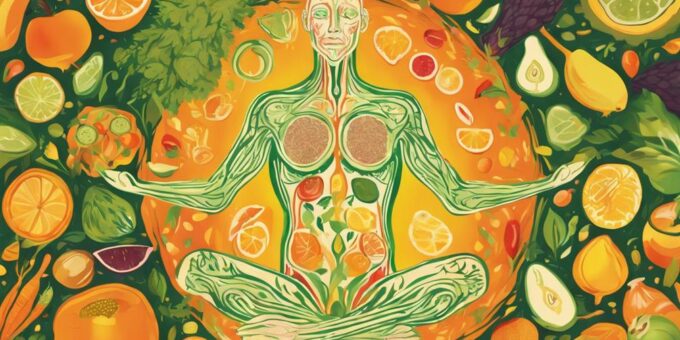
Essential intake of essential vitamins and minerals is vital for maintaining overall health and well-being, as they play critical roles in regulating various bodily functions and preventing chronic diseases. Vitamin C boosts immune function, while calcium supports strong bones. Iron is necessary for healthy red blood cells, and omega-3 fatty acids promote heart health. Vitamin D regulates mood and energy levels, and zinc supports healthy skin and hair. By incorporating these crucial nutrients into your daily routine, you can safeguard against common health issues and set yourself up for a lifetime of wellness. Discover how to harness their full potential for a healthier you.
Vitamin C for Immune Support
Vitamin C is one of the most well-known and widely recognized essential nutrients, playing a vital role in supporting immune function and overall health by boosting the production of white blood cells that fight off infections. This water-soluble vitamin is essential for the growth, development, and maintenance of connective tissue, which provides structure to various body parts, including skin, bones, and blood vessels. Vitamin C also acts as a powerful antioxidant, protecting cells from damage caused by free radicals and oxidative stress. Additionally, it aids in the absorption of iron from plant-based foods, supporting healthy red blood cells. A diet rich in vitamin C can help to reduce the severity of colds and flu, and support the body’s natural defense against infections. Foods high in vitamin C, such as citrus fruits, berries, and leafy greens, are an excellent way to incorporate this essential nutrient into one’s diet. Furthermore, research has explored the diet and acne connection, suggesting that vitamin C’s antioxidant and anti-inflammatory properties may help promote clearer skin by reducing redness and supporting collagen production. Consuming vitamin C-rich foods regularly not only benefits overall health but may also contribute to a more radiant complexion. Ensuring an adequate intake of this essential nutrient can enhance skin health while supporting the immune system and overall well-being.
Calcium for Strong Bones
Calcium is an essential mineral for maintaining strong bones, and adequate intake is vital for ideal bone health. Throughout our lives, calcium plays a critical role in bone density development, ensuring that our skeletons remain robust and resilient. As we explore the importance of calcium, we will examine the significance of calcium-rich food sources and their impact on overall bone health.
Bone Density Development
Optimal bone density development is dependent upon an intricate interplay of genetic and nutritional factors, with a sufficient intake of calcium being a key determinant of strong, resilient bones. During childhood and adolescence, calcium plays a vital role in building and maintaining bone mass, setting the stage for lifelong bone health. As we age, calcium continues to support bone density, helping to prevent conditions such as osteoporosis and osteopenia. A calcium deficiency can lead to weaker bones, increasing the risk of fractures and osteoporotic-related injuries. Furthermore, research suggests that adequate calcium intake during early life can have long-term benefits for bone health, even in older adulthood. Therefore, ensuring adequate calcium intake is essential for promoting optimal bone density development and maintaining strong, healthy bones throughout life. By prioritizing calcium-rich nutrition and supplements, individuals can take a proactive approach to supporting their bone health and reducing the risk of debilitating bone-related disorders.
Calcium-Rich Food Sources
Incorporating a variety of calcium-rich foods into one's diet is essential for maintaining strong bones and preventing deficiencies, with an array of delicious and nutritious options available to suit every taste and dietary requirement.
Dairy products are an obvious choice, with milk, cheese, and yogurt being excellent sources of calcium. Fortified plant-based milk alternatives, such as soy milk and almond milk, are also good options for those with dairy intolerance or preferences. Leafy greens like kale, broccoli, and spinach are rich in calcium, as well as other essential vitamins and minerals. Tofu, edamame, and almonds are also calcium-rich food sources. Additionally, many cereals and juices are fortified with calcium, making them a convenient way to boost intake.
When selecting calcium-rich foods, it is essential to take into account individual needs and circumstances. For example, individuals with lactose intolerance may need to opt for lactose-free or fortified plant-based alternatives. By incorporating a variety of calcium-rich foods into one's diet, individuals can make sure they are meeting their daily calcium needs and supporting strong bone health.
Iron for Healthy Red Blood Cells
Iron plays a crucial role in the production of hemoglobin, a protein in red blood cells that carries oxygen to various tissues and organs throughout the body. Without sufficient iron, the body cannot produce enough hemoglobin, leading to anemia, a condition characterized by fatigue, weakness, and shortness of breath. Iron deficiency is a common nutritional disorder, particularly among women of childbearing age, pregnant women, and individuals with chronic bleeding.
A diet rich in iron can help prevent iron deficiency anemia. Iron-rich food sources include red meat, poultry, fish, beans, lentils, and fortified cereals. Vitamin C can enhance iron absorption, so consuming foods high in vitamin C, such as citrus fruits, bell peppers, and leafy greens, alongside iron-rich foods can be beneficial. Iron supplements may also be necessary for individuals with severe iron deficiency or those who are unable to obtain sufficient iron through dietary sources. By prioritizing iron intake, individuals can support the production of healthy red blood cells, ensuring adequate oxygen delivery to the body's tissues and organs.
Omega-3 for Heart Health
While a diet rich in iron is essential for healthy red blood cells, another nutrient plays a critical role in maintaining heart health: omega-3 fatty acids. These essential fatty acids have been extensively researched for their cardiovascular benefits, including reducing inflammation, improving blood lipid profiles, and lowering blood pressure. The two primary types of omega-3s, EPA and DHA, have been shown to decrease the risk of heart disease, heart attacks, and strokes.
Food sources rich in omega-3s include fatty fish such as salmon, sardines, and mackerel. However, for individuals who do not consume these foods regularly, supplements can be a viable alternative. It is essential to consult with a healthcare professional before starting any supplement regimen. Aiming for a daily intake of 500-1000 mg of combined EPA and DHA can provide excellent heart health benefits. By incorporating omega-3s into their diet, individuals can take a proactive approach to maintaining a healthy heart and reducing the risk of cardiovascular disease.
Vitamin D for Mood and Energy
Vitamin D, an essential nutrient often overlooked despite its profound impact on overall health, plays a critical role in regulating mood and energy levels. A deficiency in vitamin D has been linked to depression, anxiety, and fatigue, making it an essential nutrient for maintaining emotional well-being and a healthy energy balance.
| Benefits | Food Sources | Recommended Daily Intake |
|---|---|---|
| Mood regulation | Fatty fish, fortified dairy products | 600-800 IU |
| Energy production | Mushrooms, egg yolks | 600-800 IU |
| Bone health | Sunlight exposure, supplements | 600-800 IU |
| Immune system support | Cod liver oil, fortified cereals | 600-800 IU |
| Reduced risk of chronic diseases | Fortified orange juice, supplements | 600-800 IU |
Aiming to consume the recommended daily intake of vitamin D can have a significant impact on overall health and well-being. By incorporating vitamin D-rich foods and supplements into your diet, you can help regulate your mood and energy levels, leading to a happier and healthier you.
Zinc for Healthy Skin and Hair
Zinc plays a vital role in maintaining healthy skin and hair by supporting the wound healing process and reducing skin inflammation. This essential mineral is involved in the synthesis of collagen, a protein that gives structure to skin, and helps to modulate the immune response, reducing inflammation and promoting tissue repair. Adequate zinc intake is particularly important for individuals suffering from skin conditions, such as acne, psoriasis, and eczema, as it helps to alleviate symptoms and promote healthy skin cell growth.
Wound Healing Process
The wound healing process, a complex and dynamic cascade of events, relies heavily on the presence of zinc, an essential mineral that plays a critical role in facilitating tissue repair and regeneration. Zinc's involvement in wound healing is multifaceted, influencing various stages of the process. It helps regulate inflammation, promotes angiogenesis, and enhances collagen synthesis, ultimately leading to faster wound closure. Zinc also supports the migration and proliferation of cells involved in the healing process, such as fibroblasts and epithelial cells. Moreover, zinc's antimicrobial properties help combat infections, a common complication of wounds. Adequate zinc levels are essential for effective wound healing, and even mild deficiencies can significantly impede the process. Healthcare professionals should consider zinc supplementation, particularly in individuals with chronic wounds or those at high risk of zinc deficiency. By recognizing the important role of zinc in wound healing, healthcare providers can develop targeted strategies to improve patient outcomes and accelerate the healing process.
Skin Inflammation Reduction
One of the most important benefits of adequate zinc levels is its ability to mitigate skin inflammation, a pervasive issue that can lead to a multitude of dermatological problems, including acne, rosacea, and eczema. Zinc plays a vital role in regulating the immune system, which helps to reduce inflammation and prevent skin conditions.
| Zinc's Anti-Inflammatory Effects | Skin Conditions | Benefits of Zinc |
|---|---|---|
| Reduces inflammation | Acne | Clears pores and reduces breakouts |
| Soothes skin irritation | Rosacea | Calms redness and flushing |
| Hydrates and nourishes | Eczema | Relieves dryness and itchiness |
Adequate zinc levels can greatly improve skin health, leading to a reduction in skin inflammation and a decrease in the severity of dermatological conditions. By incorporating zinc-rich foods or supplements into your daily routine, you can promote healthy, glowing skin that radiates from the inside out. With its potent anti-inflammatory properties, zinc is an essential nutrient for maintaining excellent skin health.
Frequently Asked Questions
Can Vitamin Supplements Replace a Healthy Diet?
While vitamin supplements can provide essential nutrients, they cannot replace a healthy diet. A well-balanced diet provides a complex mix of vitamins, minerals, and other nutrients that work synergistically to support peak health. Supplements, on the other hand, are isolated nutrients that may not replicate the same benefits. Relying solely on supplements may lead to an imbalanced intake of essential nutrients, undermining overall health. A healthy diet should always be the primary source of nutrition, with supplements serving as a complementary support.
How Long Does It Take to See Benefits From Vitamin Supplements?
A million-dollar question on every health enthusiast's mind: how long does it take to reap the benefits of vitamin supplements? The answer, much like a fine wine, requires patience and time to mature. Generally, noticeable improvements can be expected within 4-6 weeks, with peak benefits manifesting around 12-16 weeks. However, individual results may vary, and it's important to remember that supplements are meant to complement, not replace, a healthy lifestyle. Consistency and dedication are key to tapping into the full potential of vitamin supplements.
Are There Any Interactions Between Vitamins and Medications?
Interactions between vitamins and medications can occur, potentially leading to adverse effects or reduced efficacy. Vitamin supplements can alter medication absorption, metabolism, or excretion, and vice versa. For example, vitamin K can interact with blood thinners, while vitamin C can enhance iron absorption, potentially exacerbating iron toxicity. It is crucial to consult a healthcare professional before taking vitamin supplements, especially for individuals on prescription medications, to guarantee safe and effective co-administration.
Can I Take Vitamins During Pregnancy or Breastfeeding?
During this vital period of fetal development and infant growth, it is important to approach vitamin supplementation with caution. Pregnant or breastfeeding women should consult their healthcare provider before taking any vitamins, as excessive intake can harm the baby. Folic acid, iron, and calcium are often recommended, but quantities must be carefully managed to avoid adverse effects.
Are Vitamins Lost During Cooking and Food Processing?
When cooking and processing food, vitamins can be lost due to heat, water, and oxygen exposure. Water-soluble vitamins like vitamin C and B vitamins are particularly susceptible to degradation. Overcooking, boiling, and canning can lead to significant vitamin loss. Additionally, food processing methods like milling and refining can strip away crucial nutrients. To minimize losses, gentle cooking methods and minimal processing can help preserve essential vitamins.
