
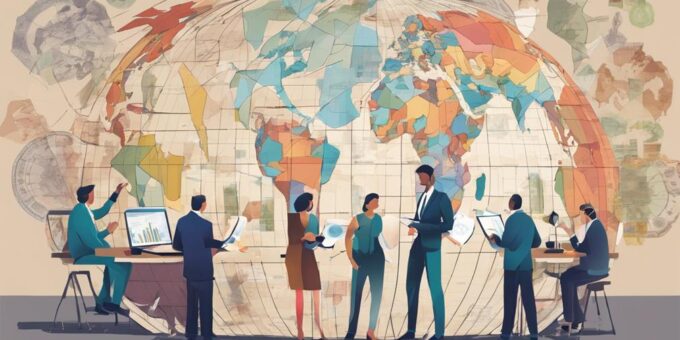
The intricate web of global economic trends exerts a profound influence on personal investments, shaping the financial landscape with its nuanced dynamics. From interest rates and inflation to geopolitical events and technological advancements, the interconnectedness of these factors can either fortify or challenge investment strategies. How individuals navigate this complex terrain can potentially determine the success or failure of their portfolios. In a world where uncertainty looms large, understanding the impact of these trends becomes paramount for investors seeking to secure their financial future. Staying informed about these evolving trends allows investors to make strategic decisions that align with market realities. One crucial aspect to consider is how technology is changing finance, revolutionizing everything from digital banking to algorithmic trading and blockchain innovations. Embracing these advancements can provide investors with new opportunities to optimize their portfolios and mitigate risks in an increasingly digital economy.
Interest Rates and Inflation
Analyzing interest rates and inflation is essential for understanding the dynamics of global economic trends on personal investments. Central banks play a vital role in regulating interest rates to control money supply and inflation, thereby influencing borrowing costs. When interest rates rise, borrowing becomes more expensive, potentially slowing economic growth. Conversely, decreasing interest rates can stimulate economic activity.
Inflation is another key factor monitored closely by investors. High inflation rates may prompt central banks to raise interest rates to mitigate inflationary pressures. This adjustment can impact fixed-income investments like bonds, as bond prices tend to move inversely to interest rates. Therefore, individuals keen on maintaining control over their investment portfolios must keep a vigilant eye on inflation statistics. By tracking inflation trends, investors can anticipate potential changes in central bank policies regarding interest rates and make informed decisions to optimize their investment strategies for the future.
Global Economic Growth
During periods of global economic growth, investors can capitalize on increased corporate profits and consumer spending to identify lucrative investment opportunities. Economic expansion boosts corporate profits and consumer spending, creating a favorable environment for investors seeking growth. Sectors such as technology and consumer discretionary tend to thrive during these phases, presenting potential investment avenues. Monitoring key indicators like GDP, consumer spending, and employment rates is essential for identifying trends and making informed investment decisions during global economic growth. By focusing on sectors that typically perform well during economic expansions, investors can position themselves to benefit from the opportunities presented by a growing global economy. Global economic growth not only enhances the profitability of existing investments but also opens up new possibilities, diversifying the range of options available to investors looking to grow their portfolios. Staying attuned to these trends and being proactive in identifying opportunities are important for maximizing returns during periods of economic expansion.
Currency Movements
Currency movements play an important role in shaping global economic trends and personal investments. Fluctuations in exchange rates can greatly impact the value of investments held in foreign currencies. Understanding how these movements affect investments is essential for making informed decisions in the ever-changing financial landscape.
Exchange Rate Fluctuations
Amidst the dynamic global economic landscape, the shifts in exchange rates play a pivotal role in shaping the outcomes of personal investments worldwide. Currency values are subject to fluctuations driven by economic conditions and geopolitical events, impacting exchange rates greatly. A country's currency strength is often tied to its economic performance; a robust economy strengthens the currency, whereas a weak economy may lead to currency depreciation. These currency movements have a profound impact on consumer behavior, international trade, and ultimately, investment values. Investors with holdings denominated in foreign currencies are particularly susceptible to the effects of exchange rate changes. Hence, understanding and effectively managing the impact of exchange rate fluctuations is essential for safeguarding personal investments in the global economy.
Impact on Investments
The impact of currency movements on investments is a critical consideration for global investors managing the complexities of the financial markets. Currency values fluctuate based on economic indicators and geopolitical events, influencing international trade and foreign investments. A country's strong economy typically strengthens its currency, while a weaker currency can boost export competitiveness but may also lead to inflationary pressures. Exchange rate fluctuations can have a significant effect on the value of investments denominated in foreign currencies, impacting the performance of international portfolios. To mitigate risks associated with foreign investments, understanding the dynamics of currency movements is essential for effective risk management in a global economy. Investors must carefully monitor and analyze currency values to make informed investment decisions and safeguard their portfolios.
Geopolitical Events
Geopolitical events exert a significant influence on global economic trends, impacting various financial markets and investment strategies. For instance, trade wars can trigger currency and commodity market volatility, leading to uncertainty and risk for investors. Regional instability, like the recent Ukraine crisis, can negatively affect economic activity and disrupt investment plans. Additionally, the divergence between Western and Chinese techno-economic models poses challenges to global supply chains, affecting the efficiency and reliability of operations. The imposition of a digital services tax in Europe further highlights how geopolitical events can escalate tensions and impact international trade dynamics. In addition, large fiscal stimulus measures in developed nations may result in inflation and capital outflows in emerging markets, influencing investment decisions. It is important for investors to stay informed about geopolitical developments to adapt their strategies effectively in response to these uncertainties and risks.
Technological Advancements
The exponential growth of technological advancements in finance has revolutionized how investments are made and managed. From the impact of AI and automation on decision-making processes to the increasing use of big data for predictive analytics, the future of investments is closely intertwined with technological innovation. Investors need to stay abreast of emerging tech trends and adapt their investment strategies to leverage the opportunities presented by these advancements.
Tech Impact on Investments
With the rapid evolution of financial technology, advancements in AI, big data, and automation are fundamentally transforming global investment approaches. Fintech adoption is expanding financial inclusion in emerging markets, presenting new investment avenues. High frequency trading and algorithmic methods are prevalent, shaping investment choices and market behaviors. Regulators are managing the balance between efficiency gains in finance and regulatory risks such as market manipulation to safeguard investors. Know Your Customer (KYC) requirements and robust digital security measures are intensifying to combat financial crimes within the investment landscape. Investors must navigate the opportunities and challenges presented by these technological advancements to make informed and secure investment decisions in today's rapidly evolving financial landscape.
Future Tech Trends
Amidst the rapid pace of technological advancements, the finance sector is witnessing a transformative shift propelled by AI, big data, and automation. The global finance sector is embracing new technologies to improve operations, enhance customer experiences, and drive digital transformations. Fintech adoption is revolutionizing traditional banking models, making financial services more accessible and efficient, particularly in emerging markets. Artificial intelligence is playing a key role in streamlining processes, from high-frequency trading to personalized customer interactions. These advancements are reshaping the industry landscape, leading to increased efficiency and innovation. As the sector continues to evolve, balancing the benefits of these technologies with regulatory requirements remains essential to ensure a secure and transparent financial ecosystem for all stakeholders.
Tech Investment Strategies
How can technological advancements in the technology sector shape strategic investment decisions for maximizing returns and mitigating risks? Investing in the tech sector offers opportunities for growth and diversification. Technologies such as AI, cloud computing, and automation drive innovation, attracting investors seeking long-term gains. Companies specializing in cybersecurity, e-commerce, and digital transformation are particularly appealing in today's market. To capitalize on the potential of the tech industry, investors should consider trends like the expansion of digital payments, IoT, and 5G networks. Diversifying investments across established tech giants and emerging startups can help spread risks while maximizing returns. By staying informed about the latest tech trends and strategically allocating resources, investors can navigate the dynamic landscape of the technology sector successfully.
Ethical Investing Factors
In the domain of personal investments, ethical investing factors play a significant role in shaping financial decisions and fostering positive social and environmental outcomes. Ethical investing involves considering environmental, social, and governance (ESG) factors when making investment choices. Research indicates that companies with strong ethical practices tend to outperform those with poor ESG records, highlighting the financial benefits of ethical investing. The global sustainable investments market has exceeded $40 trillion, reflecting the growing popularity of ESG investing among investors who prioritize sustainability, diversity, and ethical business practices. By aligning financial goals with social and environmental impact, ethical investing allows individuals to support causes they believe in while seeking financial returns. As individuals seek to make a positive difference through their investments, ethical investing is becoming a key consideration in personal finances, influenced by global economic trends towards more socially and environmentally responsible investment practices.
Pandemics and Health Crises
During times of pandemics and health crises, managing global economies face significant disruptions that can directly impact personal investments. Health crises, such as the COVID-19 pandemic, have shown how swiftly markets can react to uncertainties, leading to stock market volatility and causing fluctuations in investment values. Despite the challenges, certain sectors like healthcare and technology may present growth opportunities during health crises, as seen in increased demand for medical supplies and digital solutions. Additionally, economic stimulus measures implemented by governments to mitigate the effects of pandemics can influence market trends and consequently impact investment strategies. In addressing the uncertainties brought about by health crises, diversification and effective risk management strategies become paramount for investors seeking to safeguard their portfolios. By spreading investments across different asset classes and industries, individuals can better position themselves to weather the storm of market fluctuations and capitalize on potential opportunities that arise during times of crisis.
Frequently Asked Questions
How Does the Economy Affect Investments?
Economic conditions greatly influence investments by affecting asset prices, interest rates, and business performance. Factors such as economic growth, inflation rates, and employment levels impact investment returns and risk. Understanding how the economy drives market dynamics is essential for making informed investment decisions. Monitoring key economic indicators and trends enables investors to adjust their portfolios strategically to capitalize on opportunities and mitigate risks in the ever-evolving financial landscape.
What Are Global Economic Trends?
Global economic trends refer to macroeconomic indicators like inflation rates, GDP growth, interest rates, exchange rates, and trade balances that shape the global financial landscape. These trends provide valuable insights into the overall health of economies worldwide and guide investment strategies. Understanding these trends is essential for investors looking to make informed decisions and optimize their portfolios for potential returns. Monitoring economic indicators helps anticipate market movements and adjust investment strategies accordingly.
What Is the Effect of an Increase in Investment?
An upsurge in investment can catalyze a cascade of positive outcomes in the economic landscape. It can foster heightened returns for investors, propel business expansion through increased funding, create job openings, and boost consumer spending. Additionally, a rise in investment levels can spur innovation and technological progress, underscoring confidence in the economy's growth trajectory. The effect of increased investment reverberates across sectors, underpinning economic vitality and dynamism.
What Is an Example of an Economic Trend?
An example of an economic trend could be the fluctuation in commodity prices due to supply chain disruptions. These disruptions, influenced by factors like natural disasters or geopolitical tensions, can impact the availability and cost of goods, subsequently affecting various industries and consumer behavior. Understanding these trends is essential for individuals and businesses to make informed decisions and navigate the ever-changing economic landscape effectively.
